
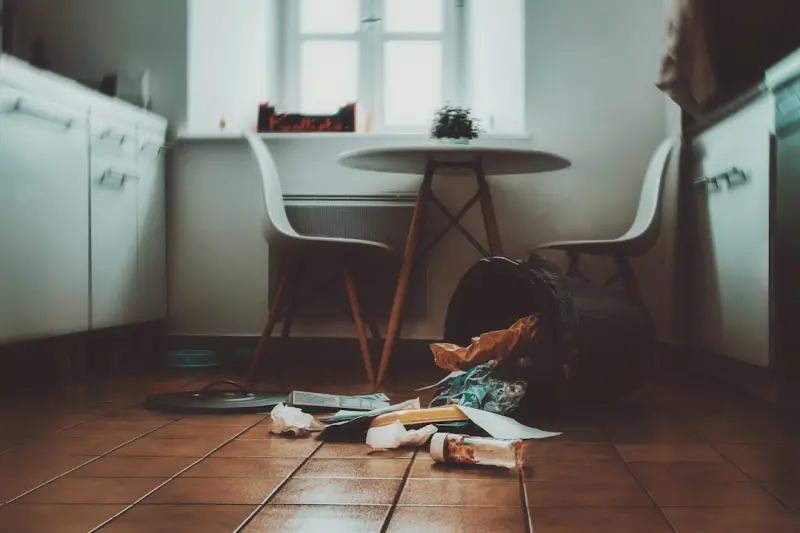
Why the Hidden Dangers in Our Homes Matter More Than Ever
As a parent who has spent countless evenings chasing after toddlers in the kitchen, I’ve learned that the most perilous threats often hide in plain sight. They’re the tiny cracks in a step stool, the lingering scent of a cleaning spray, or the unnoticed loose cord that could become a snag for a curious little hand. In my experience, the difference between an ordinary mishap and a serious injury is rarely a matter of luck—it’s about the foresight and deliberate actions we take before the accident happens.
Seeing the Unseen: A Checklist for Parents
Before I could truly protect my children, I had to become a detective. I started treating my home like a series of micro‑environments, each with its own set of potential hazards. Below is the checklist I now use every quarter. It may feel extensive, but the goal is to make it a habit rather than a one‑off sprint.
- Floor surfaces: Check for loose tiles, uneven rugs, and high‑gloss finishes that become slippery when wet.
- Stairways and steps: Ensure handrails are securely fastened and that each step has a non‑slip tread.
- Furniture stability: Anchor bookshelves, dressers, and televisions to the wall to prevent tip‑overs.
- Cabinet latches: Install child‑proof locks on every kitchen and bathroom cabinet that holds knives, cleaners, or medications.
- Window safety: Verify that all windows above ground level have locks and that opening mechanisms cannot be easily reached by a child.
- Electrical outlets: Use outlet covers that require a firm press to open, and keep cords out of sight.
- Pet zones: Designate areas where pets eat and sleep, keeping food containers out of reach to avoid accidental ingestion.
These steps may sound basic, but they are the foundation of an environment where children can explore safely.
Invisible Chemical Threats: What Lurks in Everyday Products
Cleaning supplies, personal care items, and even some toys contain chemicals that can be harmful if ingested or inhaled. I remember the panic of discovering a bottle of bleach left unattended on a low shelf. After that incident, I made a promise to keep all potentially toxic substances locked away and to use only child‑friendly alternatives whenever possible.
Here are three categories to watch closely:
- Cleaning agents: Choose fragrance‑free, non‑toxic formulas, and store them in high cabinets.
- Personal care products: Many lotions and shampoos contain essential oils or alcohol that can irritate delicate skin. Look for products labeled “hypoallergenic.”
- Art supplies: Crayons, paints, and glue sticks often contain pigments or solvents. Opt for “wash‑able” versions and supervise any creative sessions.
When you need to use these items, always wear gloves and ensure the area is well‑ventilated. And, for those moments when a child does manage to get a taste, keep a list of emergency numbers handy.
Physical Traps: The Small Things That Can Cause Big Injuries
Kids have an uncanny ability to turn ordinary objects into climbing structures or projectiles. The creating a nurturing environment mindset extends to physical spaces—if a space feels safe, a child’s curiosity can flourish without fear of injury.
Key items to secure include:
- Heavy items on low shelves: Books, toys, and decor should be placed on higher shelves or anchored.
- Loose cords: Gather electrical cords and use cord organizers or short‑circuit protectors.
- Blind cords: Replace looped cords with cordless blinds or use tension devices that keep the cord out of reach.
One unexpected hazard I discovered was a decorative indoor fountain. The water basin was shallow, but the decorative stones created a slip risk. By adding a textured mat, I eliminated the danger without compromising the aesthetic.
Electrical Concerns: More Than Just Outlets
While outlets are the most obvious point of risk, the broader electrical system can also pose problems. Overloaded extension strips, frayed cords, and cheap chargers that overheat are all culprits. My rule of thumb: if a cord feels warm to the touch, unplug it immediately and replace it with a higher‑quality alternative.
Additional steps to consider:
- Use a circuit tester: Verify that each outlet is correctly grounded.
- Label circuits: In the breaker box, label each switch with the room it controls. This speeds up response if a breaker trips unexpectedly.
- Invest in surge protectors: Protect electronics from power spikes that could cause fires.
Seasonal Challenges: Adjusting Safety Practices Year‑Round
Every season brings its own set of hazards. In winter, heating elements become a temptation for little hands, while in summer, pools and outdoor grills demand constant supervision. I’ve learned to rotate my safety checklist to align with the calendar.
Winter tips:
- Secure portable heaters with a safety barrier.
- Keep blankets and rugs away from radiators.
- Store ice melt in a locked cabinet.
Summer tips:
- Install fence gates around pools with self‑locking mechanisms.
- Store charcoal and grilling tools out of reach.
- Apply sunscreen in a well‑ventilated area to avoid inhalation of aerosol sprays.
Tech‑Assisted Vigilance Without Overreliance
Technology can be a helpful ally, but it should never replace active supervision. Simple devices—like motion‑detecting night lights or temperature‑monitoring baby monitors—provide extra layers of awareness. I use a motion‑detecting night light in the hallway; it activates only when a child passes, reducing the chance of tripping over unseen obstacles.
However, it’s crucial to remember that any device can fail. Regularly test batteries, update firmware, and keep a manual backup plan (like a flashlight) in case the tech stops working.
Teaching Kids About Safety: Empowerment Over Fear
One of the most rewarding parts of my safety journey has been involving my children in the process. Rather than issuing a list of “don’t do this,” I turn safety into a game. For example, we have a “Spot the Hazard” scavenger hunt each month, rewarding the child who finds the most hidden risk and suggests a fix.
This approach does three things:
- Builds awareness: Children learn to scan their surroundings.
- Encourages responsibility: They feel proud when they help make the home safer.
- Reduces anxiety: Framing safety as a collaborative activity eliminates the sense of being constantly warned.
Planning for the Unexpected: Emergency Preparedness
Even with the best preventative measures, accidents can happen. I keep a small, clearly labeled first‑aid kit in the kitchen, another in the bathroom, and a larger one in the garage. Each kit contains bandages, antiseptic wipes, tweezers, and a list of emergency contacts.
For families with multiple caregivers—grandparents, babysitters, after‑school programs—it’s essential to share the emergency plan. I created a one‑page “quick reference” that includes:
- All relevant phone numbers.
- Location of the first‑aid kits.
- Allergy information and medication instructions.
- Steps to take in case of a fire or severe injury.
Distribute copies to anyone who might be caring for your child, and review the plan together at least twice a year.
Thinking Ahead About Family Records
While physical safety is paramount, there’s an often‑overlooked aspect of protection: the organization of family documents. In the event of a serious incident, having quick access to medical histories, insurance policies, and contact details can make a huge difference. By thinking ahead about family records, you create a safety net that goes beyond the immediate environment.
My system involves a waterproof binder stored in a fire‑proof safe, with digital backups on an encrypted drive that only trusted adults can access. This ensures that, if you ever need to act quickly, the information you need is right at hand.
Conclusion: A Continuous Commitment to a Safer Home
Creating a hazard‑free home isn’t a one‑time project; it’s a continuous commitment. By staying observant, updating practices with each season, and involving children in the safety dialogue, you turn your household into a space where curiosity can thrive without unnecessary risk. Remember, the goal isn’t to eliminate every possible danger—an impossible feat—but to reduce risk to a level where you can breathe easier, knowing you’ve done everything within your power to protect the ones you love.

Armed with a degree in English Literature, Jill’s journey into the digital space wasn't just a career move; it was a natural extension of her lifelong love affair with storytelling. While some writers view search engine optimization (SEO) as a rigid constraint, Jill sees it as a creative puzzle. She understands the delicate art of balancing the algorithmic demands of search engines with the human desire for resonance, emotion, and value. To Jill, keywords aren't just targets to hit; they are the breadcrumbs that lead eager readers straight to the answers they’ve been searching for.
Related Posts

Kids Safety From a Dad’s Perspective: Practical Tips and Real‑World Strategies
Dale Peterson shares practical, experience‑driven safety strategies for kids, covering home, digit... Read More

Guarding Giggles: Modern Strategies for Kids Safety in a Fast‑Paced World
Learn how to blend speed with vigilance, using digital tools, quick drills, and community support to... Read More
Balancing Speed and Safety: Modern Parenting Strategies for Protecting Kids
Explore how fast‑paced living impacts child safety and get actionable, modern strategies to protec... Read More
Top Posts

The Tangible Edge: Why Handwritten Learning Beats Digital Overload
A deep dive into why the physical act of writing, sketching, and sharing notebooks can dramatically improve learning outcomes, even in today’s tech‑saturate...Read More

The Strategic Power of TikTok and Modern Social Discovery
As the digital landscape evolves, TikTok has become a primary search and discovery engine. Learn how to refine your social strategy, embrace creator-first conte...Read More

Embracing Slow Living in Modern Web Design
Explore the shift from frantic trends to intentional, user‑centric web design, blending performance, sustainability, and storytelling for lasting impact....Read More

Digital Detox for Remote Teams: Reclaiming Health in a Hyper‑Connected World
A practical guide to help remote teams cut screen fatigue, improve sleep, and boost focus by establishing intentional boundaries, mindful tech use, and daily re...Read More
0 Comments
Post Comment
You will need to Login or Register to comment on this post!