
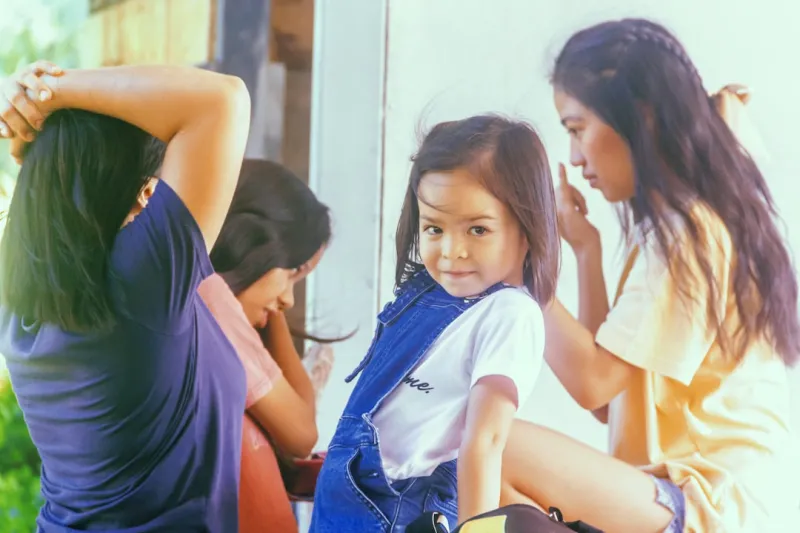
Why Kids Safety Starts at Home
When I first held my son in the kitchen, the clatter of pots and the hum of the refrigerator became the soundtrack of a new responsibility that felt both thrilling and daunting, and that moment cemented my belief that safety is not a checklist but a culture we weave into every corner of our home; over the years I have watched the tiny world of our living room transform into a miniature adventure park, and I quickly learned that the most effective safety net is one that blends vigilance with curiosity, allowing children to explore while staying protected. I have spent countless evenings mapping out child‑proof zones, swapping out sharp drawer pulls for rounded knobs, and anchoring heavy furniture to walls, all while keeping an eye on the giggles that signal confidence and the occasional stumble that reminds us why safeguards matter. In the spirit of proactive parenting, I often return to the lessons I documented in Raising Bold, Curious Babies: A Dad’s Playful Blueprint for Toddler Triumph, where I discovered that a playful mindset can turn safety drills into games that children actually want to play, turning fear into familiarity and fostering independence without compromising security.
Creating a Home Safety Checklist That Doesn’t Feel Like a Chore
One of the biggest hurdles for busy parents is turning a long list of safety tasks into a habit that sticks, and I found the secret lies in simplifying the list into a few high‑impact categories that can be tackled in short bursts, so you’re not staring at a wall of bullet points that feels overwhelming; by grouping actions under headings like Fire Prevention, Falls Prevention, and Poison Control, you can allocate ten minutes each night to a single category, turning the process into a routine rather than a project. For example, under Fire Prevention you might test smoke alarms, keep a fire extinguisher accessible, and teach your kids the “stop, drop, and roll” mantra, while Falls Prevention could involve securing rugs, installing stair gates, and ensuring play areas have soft flooring; Poison Control is as simple as storing cleaning supplies out of reach, labeling medications clearly, and keeping the antidote numbers on the fridge. This modular approach not only reduces mental load but also creates a sense of accomplishment each time you check off a section, reinforcing the idea that safety is a collaborative effort between parent and child.
Digital Safety: Teaching Kids to Navigate the Online World Wisely
In today’s hyper‑connected era, the backyard extends into the digital realm, and safeguarding our kids online requires the same intentionality we apply to physical spaces, meaning we must set clear boundaries, model good behavior, and stay informed about emerging threats, all while respecting the growing need for autonomy that pre‑teens crave; I remember the first time my daughter asked for a tablet, and rather than handing it over without a plan, I sat down with her to co‑create a digital contract that outlined screen time limits, approved apps, and a zero‑tolerance policy for sharing personal information, turning the conversation into a teachable moment about privacy and respect. To keep the dialogue fresh, I regularly scan resources like The Laptop Revolution, which, despite its focus on creative freedom, offers insights on balancing productivity with safety, and I encourage families to use parental control tools as a safety net rather than a cage, reminding children that trust is earned and that open communication will always be the strongest defense against cyberbullying, phishing, and inappropriate content.
Outdoor Adventures: Making Exploration Safe and Exciting
There is a unique magic that happens when a child discovers the world beyond the front door, and as a dad who has trekked with my kids through parks, forests, and even the occasional backyard obstacle course, I’ve learned that outdoor safety is as much about preparation as it is about fostering a sense of wonder, so that curiosity is not stifled by fear; before we lace up our shoes, we conduct a quick terrain scan, checking for hazards like uneven ground, poisonous plants, and stray wildlife, and we equip ourselves with a basic first‑aid kit, a whistle, and a map of the area, turning a simple walk into an expedition. I often reference the strategies outlined in Trailblazing the Outdoors, which emphasizes the importance of teaching kids how to read nature signs, respect boundaries, and stay within sight, because the most memorable outdoor experiences are those where children feel both empowered and protected, returning home with stories of discovery rather than injuries.
Emergency Preparedness: Turning Panic Into a Plan
When the unexpected strikes—a fire alarm blares, a severe storm rolls in, or a medical emergency arises—the difference between chaos and calm often hinges on the drills we practice and the resources we have on hand, and I have made it a priority to embed emergency readiness into our family routine without turning it into a dreaded chore; every quarter we run a fire drill, complete with a designated meeting spot, a practiced “stop, drop, and roll” routine, and a quick headcount, and we keep a clearly labeled emergency bag stocked with water, snacks, a flashlight, and copies of important documents, ensuring that even if panic starts to rise, our actions remain purposeful. In addition to physical preparedness, we discuss emotional coping strategies, teaching kids to breathe deeply, stay with a trusted adult, and use a “safety word” if they feel scared, because emotional resilience can be just as critical as physical safety during a crisis, and by normalizing these conversations, we demystify emergencies and empower our children to act confidently.
School and Community Safety: Partnering With Institutions
Our children spend a significant portion of their day outside the home, and ensuring that schools and community centers uphold the same safety standards requires active partnership, clear communication, and a willingness to advocate for necessary changes, so I make it a point to attend PTA meetings, volunteer for safety committees, and stay updated on the latest protocols for playground equipment, visitor check‑ins, and bullying prevention; during one recent meeting, I raised concerns about the age‑appropriateness of certain climbing structures, and the school responded by conducting a risk assessment and installing softer surfacing, proving that parent involvement can drive tangible improvements. Moreover, I encourage families to establish a network of trusted neighbors who can act as extra eyes and ears, especially during after‑school hours, because a community that looks out for one another creates an additional layer of security that no single parent can provide alone.
Emotional and Mental Safety: Nurturing a Secure Inner World
Physical safety is only half the equation; a child’s sense of security also hinges on feeling heard, respected, and emotionally supported, and I have learned that fostering an environment where kids can express their fears and frustrations without judgment builds a resilient foundation that protects against anxiety and trauma, so I practice active listening, validate their feelings, and use story‑telling as a tool to explore difficult topics, turning abstract worries into manageable narratives; for instance, when my youngest expressed fear about a thunderstorm, we created a “storm journal” where she could draw and write about the sounds, and we paired it with calming breathing exercises, turning fear into a shared project rather than an isolated panic. Consistent routines, predictable boundaries, and open lines of communication are the invisible scaffolding that keep children mentally safe, and when we reinforce these practices at home, we equip our kids with the emotional tools they need to navigate the world confidently.
Leveraging Community Resources and Professional Guidance
While parents are the frontline guardians of safety, we are not expected to have all the answers, and tapping into local resources such as fire departments, pediatricians, and child‑development specialists can significantly boost our protective arsenal, so I regularly schedule safety workshops with our local fire station, attend first‑aid classes offered by the community health center, and consult child psychologists when I notice behavioral shifts that may indicate underlying stress; these professionals provide tailored advice that aligns with our family’s unique dynamics, and they often share printable checklists, emergency contact cards, and age‑appropriate safety games that make learning fun. Additionally, online platforms and forums—when vetted for credibility—can serve as valuable repositories of tips and peer experiences, allowing us to stay ahead of emerging risks and adapt our strategies accordingly, because the more informed we are, the more confidently we can protect the children we love.
Conclusion: Making Safety a Shared Adventure
In the end, safeguarding our kids is not a solitary mission but a shared adventure that blends preparation, education, and love, and by treating safety as an integral part of everyday life—whether we’re securing a cabinet, setting digital boundaries, or practicing emergency drills—we teach our children that protection is a proactive, empowering choice rather than a restrictive rule, and that they are capable partners in the process; I invite fellow parents to view each safety step as a chance to bond, to model calm confidence, and to celebrate the small victories that accumulate into a robust safety culture, because when we raise our voices together and lead by example, we create a world where every child can explore, learn, and thrive without fear.

Dale Peterson is a freelance writer with a passion for technology, travel, law and personal finance. With 10 years of experience crafting compelling and informative content, he's dedicated to delivering high-quality writing for Blogging Fusion that engages audiences and achieves specific goals.
Related Posts
The Invisible Shield: Crafting a Digital Safety Playbook for Modern Kids
A comprehensive guide for parents on safeguarding kids in today’s connected world, covering smart ... Read More
Teaching Kids about Online Safety: A Comprehensive Guide for Parents
As a parent, ensuring your child's online safety is crucial. Learn how to protect your kids from onl... Read More

The Tiny Terror: Why Button Batteries Are a Silent Threat to Our Little Ones
You know those little disc-shaped batteries that power everything from your TV remote to those adora... Read More
Top Posts

The Toy Landscape: Analyzing the Trends Driving Demand and Desire in the Global Children’s Market
The contemporary toy industry is navigating a period of profound transformation, moving far beyond traditional play patterns toward integrated, multi-platform e...Read More

The Social Surge: How Co‑Op Gaming Is Redefining Friendships
Discover how co‑op games, AI-driven worlds, and cross‑play are turning solo play into shared adventures, forging lasting friendships in the digital age....Read More

Why TikTok Is the Untapped Playbook for B2B SaaS Storytelling
TikTok isn’t just for viral dances; it’s a powerful channel for B2B SaaS storytelling. Learn how to craft concise, value‑driven videos, integrate TikTok i...Read More

When AI Takes the Helm: SEO Strategies for the New Search Era
AI is rewriting the rules of search. Discover the rise of AI‑generated snippets, multimodal queries, and intent clusters, and get a practical roadmap to futur...Read More
0 Comments
Post Comment
You will need to Login or Register to comment on this post!