
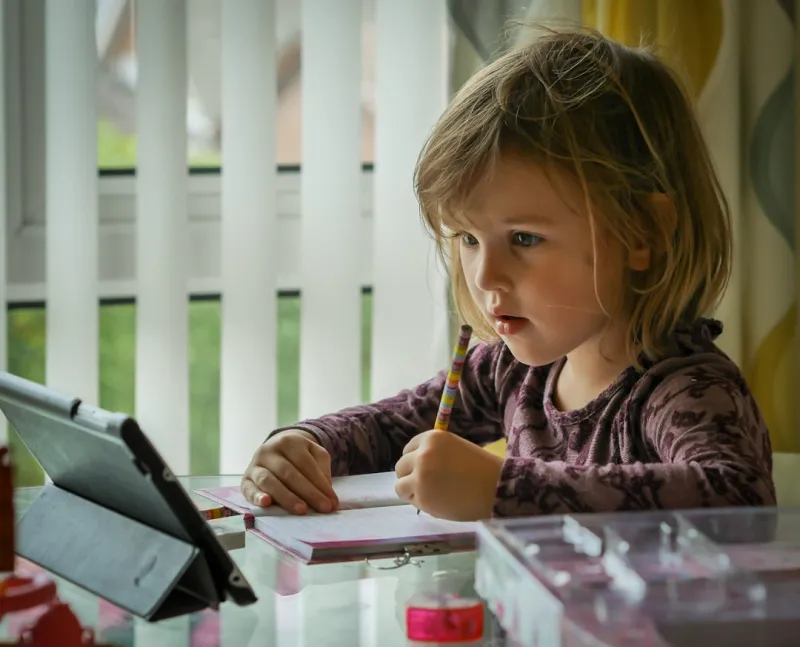
Teaching Kids about Online Safety: A Comprehensive Guide for Parents
As a parent, there's nothing more important than ensuring your child's safety and well-being in today's digital age. With the rise of social media, online gaming, and digital communication, kids are exposed to a multitude of risks and threats that can have long-lasting effects on their physical, emotional, and mental health. As a concerned parent and advocate for kids' safety, I'm committed to providing you with the tools and resources you need to protect your child from online harm. In this article, we'll explore the importance of teaching kids about online safety, discuss the potential risks and threats they face, and provide practical tips and strategies for parents to promote healthy and safe online behaviors.
The Importance of Online Safety Education
In today's digital landscape, online safety education is no longer a luxury, but a necessity. With kids spending more time online than ever before, it's crucial that they understand the potential risks and threats associated with digital communication. Online safety education can help kids develop healthy online habits, avoid cyberbullying and online predators, and protect their personal and sensitive information. By teaching kids about online safety, we can empower them to navigate the digital world with confidence and resilience. For instance, parents can start by having open and honest conversations with their kids about online safety, and by setting clear rules and boundaries for their online activities.
Potential Risks and Threats
Kids face a multitude of risks and threats online, including cyberbullying, online predators, identity theft, and exposure to explicit content. According to recent statistics, 1 in 5 kids experience cyberbullying, while 1 in 10 kids are victims of online predators. Moreover, the rise of social media has led to an increase in online harassment, with many kids feeling pressure to present a perfect online image. As parents, it's essential that we're aware of these risks and take proactive steps to protect our kids. For example, parents can monitor their child's online activities, and report any suspicious behavior to the relevant authorities.
Practical Tips and Strategies for Parents
So, what can parents do to promote healthy and safe online behaviors in their kids? Here are some practical tips and strategies to get you started:
- Set clear rules and boundaries: Establish rules and guidelines for your child's online activities, including screen time limits, app restrictions, and online communication protocols.
- Monitor online activities: Use parental control software to monitor your child's online activities and detect potential risks and threats.
- Have open and honest conversations: Talk to your child about online safety, and encourage them to share their concerns and experiences with you.
- Teach online etiquette: Educate your child on online etiquette, including how to communicate respectfully and responsibly online.
The Role of Sustainable Living in Kids' Safety
At first glance, sustainable living and kids' safety may seem unrelated. However, sustainable parenting practices can play a significant role in promoting kids' safety. By adopting eco-friendly and sustainable practices, parents can model healthy behaviors for their kids, promote environmental awareness, and foster a sense of responsibility and stewardship. For instance, parents can teach their kids about the importance of reducing, reusing, and recycling, and encourage them to adopt sustainable habits in their daily lives.
Additional Resources and Support
If you're concerned about your child's online safety, there are many resources available to support you. Here are a few:
- Sustainable Parenting: A Guide to Eco-Friendly Practices for a Healthier Future: This article provides practical tips and strategies for parents to promote healthy and sustainable living practices.
- The Evolution of Eco-Friendly Toys: A Sustainable Approach to Playtime: This article explores the rise of eco-friendly toys and provides guidance on sustainable playtime practices.
Conclusion
Teaching kids about online safety is an ongoing process that requires patience, consistency, and support. By being proactive and taking steps to protect our kids, we can help them navigate the digital world with confidence and resilience. Remember, online safety education is not a one-time event, but an ongoing conversation that requires effort and commitment from parents, educators, and caregivers. By working together, we can create a safer and healthier online environment for all kids.
Take Action Today
So, what can you do today to promote online safety and sustainable living practices in your kids? Here are a few suggestions:
- Start a conversation with your child about online safety and sustainable living practices.
- Set clear rules and boundaries for your child's online activities.
- Explore eco-friendly and sustainable products and practices that promote kids' safety and well-being.
By taking action today, you can help create a safer and healthier online environment for your kids and promote sustainable living practices that will benefit them for years to come.
Final Thoughts
As a parent, it's natural to feel overwhelmed by the potential risks and threats associated with online communication. However, by being proactive and taking steps to protect our kids, we can help them navigate the digital world with confidence and resilience. Remember, online safety education is an ongoing process that requires effort and commitment from parents, educators, and caregivers. By working together, we can create a safer and healthier online environment for all kids.

Miranda Murphy: Experienced freelance writer with a decade of storytelling expertise. Let's create something amazing together!
Related Posts

Invisible Home Hazards That Threaten Kids and How to Eliminate Them
A comprehensive guide for parents on spotting invisible dangers around the house, from chemicals to ... Read More

Guarding Giggles: Modern Strategies for Kids Safety in a Fast‑Paced World
Learn how to blend speed with vigilance, using digital tools, quick drills, and community support to... Read More

Kids Safety From a Dad’s Perspective: Practical Tips and Real‑World Strategies
Dale Peterson shares practical, experience‑driven safety strategies for kids, covering home, digit... Read More
Top Posts

Nurturing the Skin Microbiome: Sustainable Beauty Choices for the Modern Consumer
Explore how caring for your skin’s microbiome, choosing eco‑friendly packaging, and leveraging AI tools can transform your beauty routine into a mindful, su...Read More

Designing for Delight: How Slow Living Shapes Modern Web Experiences
Discover how embracing slow‑living mindset reshapes web design, creating calm, purposeful sites that engage users without sacrificing performance....Read More
The Untamed Path: Embracing the Wilderness for a Fuller Life
Join Seth Samual on a journey into the wild. Learn how outdoor recreation can profoundly improve your physical health, mental well-being, and overall life, insp...Read More

The Rise of Zero‑Click Search: Winning Visibility Without a Click
Zero‑click search now accounts for over half of all queries. This post reveals how to map intent to SERP features, implement schema markup, build authority hu...Read More
0 Comments
Post Comment
You will need to Login or Register to comment on this post!