

Why Car Subscriptions Are Steering the Future of Mobility
When I first heard the term “car subscription,” I imagined a boutique service that let you swap a sedan for a sports car on a whim, much like a streaming platform for vehicles. What I discovered instead is a seismic shift in how we think about personal transportation—a shift that’s quietly rewriting the rulebook of ownership, financing, and even our relationship with the environment.
The Subscription Model: From Niche Perk to Mainstream Expectation
For years, the automotive world was dominated by a simple equation: buy, finance, or lease. Those three pathways, while varied in cash flow, all hinged on the notion that the car is yours—at least on paper. Today, a growing cohort of drivers—especially millennials and Gen Zers—are demanding flexibility, transparency, and experiences over long‑term commitments.
Enter car subscriptions: a single monthly fee that bundles the vehicle, insurance, maintenance, and often even roadside assistance. It’s a one‑stop shop that mirrors the all‑inclusive lifestyle many of us have come to expect from other industries, from entertainment to software.
What’s Inside the Subscription Box?
- Vehicle Choice: From compact EVs to luxury SUVs, most providers let you swap models every few months.
- Insurance & Registration: All the paperwork is handled behind the scenes, removing the bureaucratic headache.
- Maintenance & Repairs: Routine service, tire rotations, and even unexpected repairs are covered.
- Roadside Assistance: 24/7 support for lockouts, flat tires, or a dead battery.
This bundling not only simplifies budgeting—think of it as a predictable line item on your monthly statement—but also shifts the focus from asset ownership to mobility as a service. The result? Drivers feel empowered to choose the right car for the right moment without the lingering financial and emotional weight of ownership.
Why the Timing Is Perfect
Three macro‑trends are converging to make subscriptions not just viable, but inevitable:
- Urbanization and Shared Mobility: As cities become denser, the cost of parking and the inconvenience of long‑term parking permits push drivers toward flexible solutions.
- Electrification: With EVs gaining market share, manufacturers are eager to showcase their latest battery tech without the risk of long‑term depreciation.
- Data‑Driven Service Models: The rise of telematics and connected car platforms enables providers to monitor vehicle health in real time, reducing downtime and optimizing fleet utilization.
These forces echo the same‑day logistics breakthroughs we’ve seen in e‑commerce—speed, reliability, and a seamless customer experience are now non‑negotiable expectations.
From Dealership Floor to Digital Dashboard
Traditional dealerships are feeling the pressure to evolve. The subscription model thrives on a digital-first approach: online enrollment, instant credit checks, and a mobile app that lets you schedule a vehicle swap at the click of a button. This digital overlay is reminiscent of the adaptive in‑car interfaces that auto‑adjust to driver preferences, lighting conditions, and even mood.
Manufacturers that invest in robust, API‑driven platforms can integrate subscription services directly into their existing digital ecosystems, creating a unified brand experience that feels both futuristic and familiar. In practice, this means you could start a subscription on a tablet in a showroom, receive a push notification when your new vehicle is en route, and unlock the car with a biometric scan—all without ever stepping foot inside a physical lot.
Environmental Upside: A Greener Path?
Beyond convenience, subscriptions have the potential to be a catalyst for sustainability. By keeping vehicles in active rotation, providers can extend the useful life of each car, reducing the overall number of units produced. Additionally, many subscription fleets are heavily weighted toward electric and hybrid models, accelerating the shift away from internal combustion engines.
When you pair a subscription with conscious choices—like opting for an EV or a vehicle built from recycled materials—you’re essentially turning your mobility into a green tech integration strategy for your daily life. The aggregate effect could be a measurable reduction in carbon emissions, especially in urban corridors where vehicle turnover is highest.
Financial Transparency and Predictability
One of the most compelling arguments for subscriptions is the clarity they bring to personal finance. Traditional car loans involve variable costs: interest rates, depreciation, unexpected repair bills, and the occasional surprise insurance premium hike. With a subscription, the monthly fee is all‑inclusive, making it easier to forecast expenses.
For many, this predictability translates into a higher quality of life. No longer do you need to set aside a separate “car fund” or worry about the depreciation curve eating into your net worth. Instead, you can allocate that financial bandwidth toward experiences—travel, education, or even a higher‑end vehicle than you could afford to own outright.
The Challenges: What to Watch Out For
While the benefits are alluring, it’s important to acknowledge the hurdles:
- Higher Monthly Cost: Bundled services often come at a premium compared to a traditional lease or loan.
- Limited Customization: Some providers restrict modifications or aftermarket accessories.
- Availability: Not every market has a robust subscription fleet, especially outside major metros.
These challenges are not insurmountable. As competition intensifies, providers will likely introduce tiered plans, more flexible swap windows, and localized fleet expansions to address these pain points.
Real‑World Success Stories
Several automakers and third‑party platforms have already demonstrated the model’s viability:
- Volvo Care: Offers a subscription that includes an EV, insurance, and maintenance, with the option to upgrade to a newer model after 12 months.
- Care by Porsche: A luxury‑focused service that lets drivers experience different high‑performance models without committing to purchase.
- Fair (now part of a larger mobility platform): Provides a tech‑savvy, app‑first experience with transparent pricing and the ability to swap vehicles on a monthly basis.
These examples illustrate that subscriptions can work across the spectrum—from premium performance to everyday practicality.
The Role of Data: Turning Vehicles into Service Assets
At the heart of subscription success lies data. Connected cars generate a wealth of telemetry—mileage, driving patterns, wear‑and‑tear metrics, and even climate control usage. Subscription providers leverage this data to:
- Predict maintenance needs before a breakdown occurs.
- Optimize fleet distribution, ensuring the right vehicle type is available where demand spikes.
- Tailor insurance premiums based on actual driver behavior, potentially lowering costs for safe drivers.
This data-driven approach mirrors the real‑time strategic engines seen in other industries, where actionable insights translate directly into better service delivery.
Future Outlook: What’s Next for Car Subscriptions?
Looking ahead, we can anticipate several exciting developments:
- Integration with Mobility‑as‑a‑Service (MaaS) Platforms: Imagine a single app that lets you book a subscription car, hail a ride‑share, and reserve a scooter—all under one subscription umbrella.
- Dynamic Pricing Models: Using AI to adjust monthly fees based on seasonal demand, vehicle utilization, and driver behavior.
- Expansion into Commercial Fleets: Small businesses could subscribe to a fleet of vehicles for deliveries, reducing capital expenditures.
- Enhanced Sustainability Metrics: Providers may start reporting carbon savings per subscriber, turning the subscription into a tangible ESG (Environmental, Social, Governance) credential.
These trends suggest that car subscriptions will evolve from a niche perk into a cornerstone of the automotive ecosystem, reshaping how we think about ownership, sustainability, and the very definition of mobility.
Final Thoughts: Embrace the Shift or Get Left in the Dust
In a world where flexibility is king and data is the new oil, clinging to the old paradigm of outright ownership feels increasingly anachronistic. Car subscriptions are more than just a financing option; they’re a cultural statement that says we value experience, transparency, and adaptability over static assets.
If you’ve been on the fence, ask yourself: Do you want a vehicle that evolves with you, or one that stays stuck in the past? The road ahead is open, and the subscription model might just be the smoothest ride.

Miranda Murphy: Experienced freelance writer with a decade of storytelling expertise. Let's create something amazing together!
Related Posts
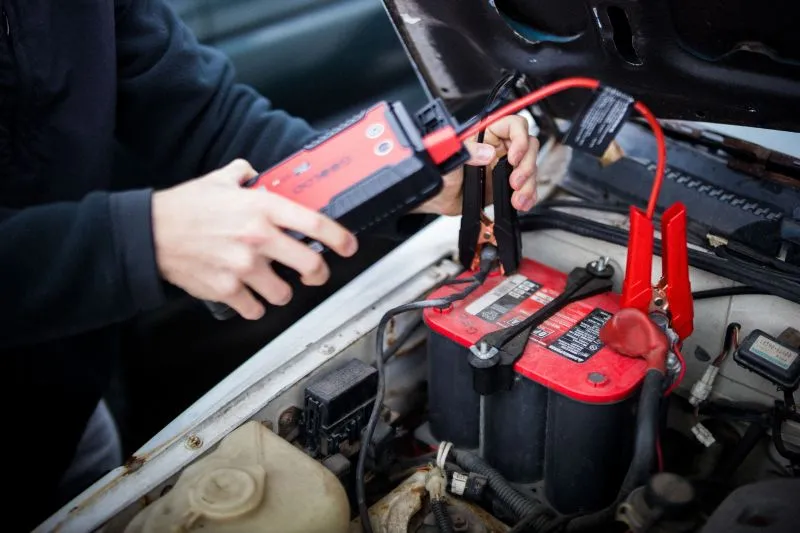
What's the Best Automotive Jump Starter for Your Vehicle?
The sudden silence of a failed engine start is a familiar and frustrating experience for many driver... Read More

Driving the Future: Lauren Miller’s 2024 Automotive Trends and Insights
Lauren Miller dives into 2024’s hottest automotive shifts—from EV breakthroughs and AI‑powered... Read More

Why are used car prices rising and becoming less affordable
The United States and global automotive markets are undergoing a fundamental transformation. Histori... Read More
Top Posts

The Plug‑In Playbook: Building a Future‑Ready WordPress Stack
A practical guide to turning a chaotic WordPress plugin collection into a future‑ready, high‑performance stack, emphasizing minimalism, modularity, and secu...Read More

Designing for Neurodiversity: Building Web Experiences That Speak to Every Brain
A practical guide to neuro‑inclusive web design, covering five key pillars, step‑by‑step implementation, performance considerations, and future trends for...Read More

Smart Sensors, Modular Pods, and Circular Design: The New Blueprint for Industrial Products
A deep dive into three transformative trends—edge‑enabled smart sensors, modular automation platforms, and circular‑economy‑first materials—that are r...Read More

Celebrations: How to Turn Every Party into a Strategic Act of Defiance
Explore the guide to turning every celebration—from tiny wins to big events—into strategic, inclusive, and tech‑savvy moments that boost brand and communi...Read More
0 Comments
Post Comment
You will need to Login or Register to comment on this post!