
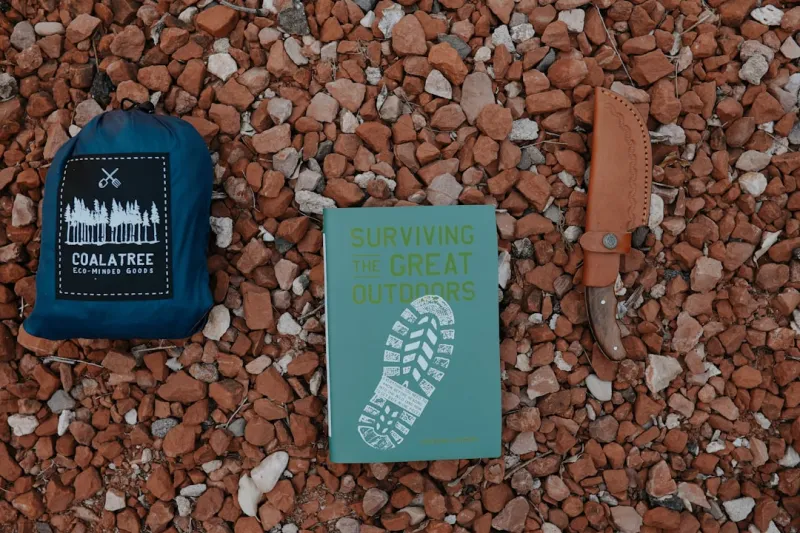
When the sun peeks over the ridge and the scent of pine mingles with fresh‑cut grass, I feel the same electric buzz that first drove me to trade a cubicle for a campsite; it’s a reminder that the outdoors isn’t a weekend escape, it’s a full‑time mindset that reshapes how we work, love, and even think about technology. Over the past decade I’ve watched the rise of “digital nomads” who log into cloud servers from mountaintop clearings, and I’ve learned that the line between Wi‑Fi and wilderness is thinner than ever, especially when you equip yourself with the right gear and a bit of strategic foresight. In this post I’ll share the hard‑earned lessons, the gear hacks, and the mindset shifts that let you treat every trail, river, or desert as a playground for growth, connection, and a dash of rebellion.
Why Outdoor Recreation Is More Than a Hobby
For many, hitting the trail feels like a casual hobby, but in reality it operates as a powerful feedback loop that sharpens focus, strengthens resilience, and fuels creativity—qualities that translate directly into professional and personal breakthroughs. When you navigate uneven terrain, your brain constantly calibrates risk, adjusts pace, and processes sensory data in real time, forging neural pathways that make problem‑solving in the boardroom feel almost instinctual. That same mental agility is why I’ve seen executives return from a weekend backpacking trip with fresh product ideas, and why families who camp together report deeper communication, because the shared challenge strips away distractions and forces authentic interaction.
Gear Up Like a Modern Maverick
Choosing equipment is no longer about buying the cheapest tent; it’s about curating a toolkit that amplifies your personal brand of adventure while honoring sustainability and style. I start every season by auditing my current stash, discarding anything that’s heavy, redundant, or built on outdated tech, then I scout reviews that focus on weight‑to‑performance ratios, modular designs, and eco‑friendly materials. Below is my quick‑reference checklist for the essentials that every serious outdoor enthusiast should consider before the next expedition:
- Lightweight, weather‑proof shelter with a quick‑pitch system.
- Multi‑functional clothing layers that regulate temperature without bulk.
- Portable power solutions—solar chargers paired with high‑capacity power banks.
- Compact navigation tools, including a rugged GPS watch and offline map apps.
By treating each item as an investment in experience rather than a one‑off purchase, you not only reduce waste but also free up mental space for the more important decisions that lie ahead on the trail.
Tech Meets Trail: Smart Solutions for the Savvy Adventurer
The digital age has seeped into even the most remote backcountry, and savvy hikers now leverage smart gear to stay safe, connected, and efficient without compromising the essence of unplugged freedom. A lightweight satellite messenger, for example, can send SOS signals and check‑ins while you’re miles from the nearest cell tower, turning a potentially dangerous situation into a manageable one with a few taps on a rugged screen. To truly harness this synergy, I recommend reading Tool Talk: Laura Wilson’s Rebel Guide to the Must‑Have Gear of 2024, which breaks down the latest innovations in wearable tech, solar fabrics, and AI‑driven route planners that can adapt in real time.
Beyond personal gadgets, the broader infrastructure supporting modern outdoor recreation is powered by the cloud; platforms that sync trail data, weather alerts, and group itineraries rely on resilient cloud hosting to stay online even when you’re off the grid. For a deeper dive into how cloud solutions enable this seamless experience, check out Why Cloud Hosting Is the Secret Weapon for Modern Innovators, which highlights the behind‑the‑scenes tech that keeps your adventure apps humming.
Mindful Movement: Connecting Body and Landscape
Movement in nature is an invitation to practice mindfulness at a scale that city streets simply can’t provide, and I’ve discovered that intentional pacing—whether it’s a slow, meditative hike or a high‑intensity trail run—creates a rhythmic dialogue between body and terrain. When you align your breath with the cadence of your steps, you tap into a physiological state that lowers cortisol, boosts endorphins, and heightens sensory perception, turning every rustle of leaves into a data point for deeper awareness. Mindful movement also teaches humility; the trail reminds you that you’re part of a larger ecosystem, and that respect for that balance is the true measure of an outdoor enthusiast.
Seasonal Strategies: Summer Heat, Autumn Leaves, Winter Chill
Each season demands a unique tactical approach, and mastering those nuances can turn a challenging outing into a triumphant experience that fuels your confidence year after year. In summer, the key is proactive hydration, sun protection, and early‑morning starts to avoid peak heat, while choosing breathable, UV‑blocking fabrics that wick moisture away from the skin. Autumn offers cooler temperatures but introduces slick, leaf‑covered paths; here, micro‑spikes or trail‑specific shoes provide traction, and a layered clothing system lets you adjust quickly as the sun dips. Winter, the most unforgiving, requires insulated, wind‑proof outer shells, a reliable heat source like a titanium stove, and meticulous route planning to account for snowpack and avalanche risk.
- Summer: Hydration packs, sun‑shade hats, and quick‑dry shirts.
- Fall: Waterproof gaiters, traction devices, and layered mid‑layers.
- Winter: Down jackets, insulated boots, and emergency bivouac kits.
By treating each season as a distinct project with its own objectives, equipment list, and safety protocols, you adopt a planner’s mindset that translates seamlessly into other areas of life, from business strategy to personal goal setting.
Community and Celebration in the Wild
Adventure is inherently social, and the bonds forged around a campfire often outlast the memories of any single trek, turning ordinary outings into collective milestones. I love to infuse celebrations with a touch of rebellion—think midnight sunrise toast on a mountain ridge, or a flash‑mob drum circle beside a hidden waterfall—because these moments create a narrative that participants carry back into their daily routines, reinforcing the value of shared experience. For inspiration on turning any gathering into a bold statement, see How to Celebrate Like a Modern Maverick, which offers playful ideas that blend festivity with purpose.
Balancing Family and Freedom
Integrating kids into outdoor pursuits can feel like walking a tightrope between safety and spontaneity, yet when approached with intention, family adventures become the ultimate training ground for curiosity, confidence, and collaborative problem‑solving. I’ve learned that involving children in gear selection, route mapping, and even meal planning empowers them to own the experience, turning potential resistance into enthusiastic participation; the result is a generation of bold, curious explorers who view the world as a playground rather than a classroom. For practical tips on nurturing this adventurous spirit at home, check out Parenting: Raising Bold, Curious Babies and Toddlers, which outlines age‑appropriate activities that blend safety with discovery.
Sustainable Footprints: Leave No Trace
Every step we take in nature leaves an imprint, and the responsibility to minimize that impact is not just an ethical guideline but a strategic advantage for preserving the very playground we cherish. By adhering to the seven principles of Leave No Trace—planning ahead, traveling on durable surfaces, disposing of waste properly, and respecting wildlife—we ensure that future adventurers inherit trails that remain pristine and accessible. Moreover, adopting sustainable practices—such as using reusable water bottles, biodegradable soaps, and solar‑charged equipment—creates a ripple effect, encouraging peers to follow suit and amplifying the collective benefit for ecosystems worldwide.
Final Thoughts from the Trail
Outdoor recreation, when approached with intention, curiosity, and a dash of rebellious spirit, becomes a laboratory for personal growth, professional innovation, and community building—an ever‑evolving adventure that rewards those who dare to step outside their comfort zone. As I pack my bag for the next journey, I carry not just gear but a mindset that values adaptability, mindful presence, and the humility to learn from every rustling leaf and shifting wind; it’s a philosophy I share with readers, fellow trailblazers, and anyone ready to rewrite the rules of work‑life balance. Remember, the trail is always there, waiting for the next bold step you’re willing to take.

David Moore is a freelance writer specializing in two dynamic and ever-evolving fields: gambling and the tech industry. With a keen eye for detail and a knack for unraveling complex topics, David delivers insightful and engaging content that keeps readers informed and entertained.
Related Posts

Chasing Trails: How a Sprint Mindset Transforms Outdoor Adventures
Explore how a sprint mindset reshapes hiking, from micro‑goals and gear tweaks to community sprint... Read More

Micro-Adventure: Redefining Outdoor Recreation One Tiny Trip at a Time
Micro‑adventure offers a fresh, low‑commitment way to experience nature daily. Learn how smart m... Read More
Safety First: A Comprehensive Guide to Prudent Ice Fishing Practices
Ice fishing offers a unique and rewarding encounter with nature, blending the tranquility of a froze... Read More
Top Posts

Cultivating Calm: How Everyday Family Routines Build Emotional Resilience
Learn how simple daily routines—from shared breakfasts to unplugged evenings—can transform your home into a resilience‑building hub, empowering kids to th...Read More

When Algorithms Meet Lipsticks: The New Wave of AI-Driven Beauty
Discover how AI is transforming beauty—from hyper‑personalized formulas and ethical data handling to sustainable tech—while keeping the human touch at the...Read More

Energize Your Routine: Small Choices That Spark a Sustainable Future
Learn how tiny adjustments—from smarter appliances to DIY cleaning—turn daily routines into powerful tools for a greener, more affordable energy future....Read More

Growing More Than Just Plants: How Gardening Taught Me About Sustainable Living and Digital Strategy
Gardening has taught me valuable lessons about sustainable living and digital strategy. Learn how to apply holistic principles to create a thriving garden and o...Read More
0 Comments
Post Comment
You will need to Login or Register to comment on this post!