

Every morning, as the sunrise spills gold across the nursery wall, I watch my toddler’s eyes light up like a fresh‑off‑the‑press headline—full of questions, half‑formed theories, and that unmistakable spark that says, “I’m ready to rewrite the rulebook of this world.” I’m Dale Peterson, a dad who still feels the adrenaline rush of a startup launch when my little one discovers that a cardboard box can become a spaceship, and I’ve learned that parenting isn’t a side project; it’s a full‑blown, high‑stakes venture that demands the same strategic thinking I once reserved for boardrooms. In this post I’ll walk you through the mindset shifts, practical hacks, and daring experiments that have turned our chaotic household into a launchpad for bold, curious babies and toddlers, because the future belongs to the little explorers who get to play with the right tools today.
The Power of Curiosity‑Driven Play
Curiosity is the engine that powers everything from a baby’s first giggle to a toddler’s tentative steps across a living‑room obstacle course, and when you lean into it, you’ll notice that learning accelerates faster than any curriculum could promise. I’ve spent countless evenings swapping bedtime stories for open‑ended questions, letting my child decide whether the rubber duck should float upstream or lead a parade of plush allies—each decision a micro‑experiment that teaches cause, effect, and confidence in equal measure. By framing everyday moments as mini‑research projects, you give your little one permission to fail, iterate, and ultimately succeed, which is the exact formula I use when I’m brainstorming the next big feature for my tech ventures.
Designing a Nurturing Environment
Creating a space where imagination can roam freely doesn’t require a designer’s budget; it just needs intentional choices that blend safety with sensory richness, and that’s where a few clever home hacks come into play. I borrowed a trick from Sanji Patel’s popular guide, swapping harsh fluorescent lighting for soft, warm LED strips that mimic sunrise and sunset cycles, which not only soothes my baby’s circadian rhythm but also turns the crib into a mini‑theater for shadow puppetry sessions; you can read more about those ideas in Home Hacks from Sanji Patel. Adding low‑profile shelves stocked with textured fabrics, wooden blocks, and a rotating selection of picture books turns the entire room into a tactile laboratory where every surface invites a new hypothesis, and the subtle act of organizing these materials teaches the toddler early lessons in categorization and cause‑and‑effect without ever pulling a textbook from the shelf.
Adventure Outside the Crib
While indoor play cultivates fine motor skills and imagination, the great outdoors supplies the missing macro‑nutrients of wind, sunlight, and unstructured exploration that any thriving toddler needs to build resilience and spatial awareness. I took a leaf from David Moore’s playbook, packing a lightweight carrier, a portable snack station, and a waterproof blanket for impromptu picnics in the park, then letting my child lead the way to a nearby puddle, a cluster of dandelions, or a fallen log that becomes an instant fort; the confidence gained from navigating those natural obstacles translates directly into problem‑solving confidence back at home, and you can dive deeper into his approach in Trailblazing the Outdoors. The key is to treat each outing as a field trip for a budding scientist—bring a magnifying glass, a small notebook, and a camera, then ask open‑ended prompts like “What do you think lives under that leaf?” or “How does the water feel on your hand?” and watch curiosity explode into a cascade of discoveries.
Nutrition as a Learning Experience
Feeding time is more than just refueling bodies; it’s a chance to teach toddlers about colors, textures, and the origins of their food, turning the kitchen into a living classroom where every bite tells a story. I’ve turned our weekly grocery runs into treasure hunts, assigning my child the mission to spot the brightest orange carrot or the greenest broccoli, then letting them help rinse and arrange the produce on the countertop, which not only builds fine motor coordination but also instills a sense of ownership over the meal they’ll soon devour. When it comes to plate composition, I follow the “rainbow rule” religiously, arranging foods in vibrant arcs that look like a painter’s palette, and I narrate each component—“This sweet potato gives us energy for our next adventure”—so the toddler associates nutrition with narrative, making healthy choices feel like heroic feats rather than chores.
Playful Learning Through Storytelling
Storytelling is the bridge that connects abstract concepts to a toddler’s concrete world, and I’ve found that weaving educational tidbits into our nightly rituals transforms the bedroom into a mini‑lecture hall where curiosity is the star pupil. By tapping into the insights from Parenting: Raising Bold, Curious Babies and Toddlers, I introduced a “question of the day” segment, where I ask my child to guess what will happen if we mix two colors of play‑dough, or how a seed becomes a tree, then we act out the answer with toys and gestures, reinforcing the lesson through kinesthetic learning. This method not only bolsters language development but also encourages the toddler to become an active participant in their own education, fostering a habit of inquiry that will serve them long after the bedtime story is put away.
Balancing Work, Play, and the Laptop Revolution
In the age of remote work, the line between office and nursery has blurred, but that doesn’t mean you have to sacrifice productivity or family bonding; instead, treat your laptop like a portable power station that fuels both creative projects and interactive play sessions. I set specific “focus windows” where I lock the screen, silence notifications, and dive deep into my latest venture, then transition to “play windows” where I swap the keyboard for crayons, using the same device to stream a kid‑friendly documentary or to record my child’s spontaneous song about the backyard ants, turning downtime into content that can later be shared with grandparents. This rhythm mirrors the balance I champion in my tech blog, proving that when you respect both the work and the wonder, you can achieve a harmonious flow that benefits your career and your child’s development.
Rituals That Anchor Growth
Rituals are the silent scaffolding that support a toddler’s sense of security while still leaving room for spontaneous discovery, and I’ve crafted a suite of daily habits that act like gentle checkpoints throughout the day. Morning sunlight greetings, mid‑day “nature check‑ins” where we pause to observe a bird or a cloud formation, and evening gratitude circles where we each share one thing we learned, create a predictable framework that encourages reflection and curiosity in equal measure. By anchoring each day with these intentional moments, you not only nurture emotional intelligence but also embed a habit of mindful observation that will guide your child as they grow into independent thinkers who aren’t afraid to ask “why” at any age.
Closing Thoughts: Raising Tomorrow’s Trailblazers
Parenting in the digital era isn’t about shielding kids from technology; it’s about curating experiences that blend tactile play, outdoor exploration, and thoughtful storytelling into a cohesive adventure that fuels a bold, curious spirit. If you’ve ever felt overwhelmed by the sheer volume of parenting advice, remember that the most powerful guide is the one that aligns with your family’s unique rhythm, turning everyday moments into purposeful experiments that shape resilient, inquisitive minds. Embrace the chaos, celebrate each tiny breakthrough, and keep the dialogue open—your toddler is already a pioneer, and with the right mix of love, structure, and daring, you’ll watch them chart a path that’s unmistakably theirs.

Dale Peterson is a freelance writer with a passion for technology, travel, law and personal finance. With 10 years of experience crafting compelling and informative content, he's dedicated to delivering high-quality writing for Blogging Fusion that engages audiences and achieves specific goals.
Related Posts
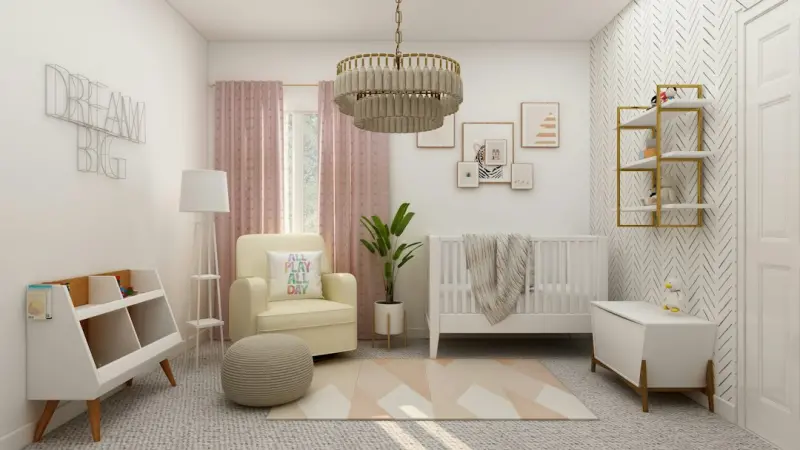
Play‑First Parenting: Designing a Curiosity‑Driven Nursery for Growing Minds
Learn how to transform your nursery into a curiosity‑driving environment using modular zones, acou... Read More
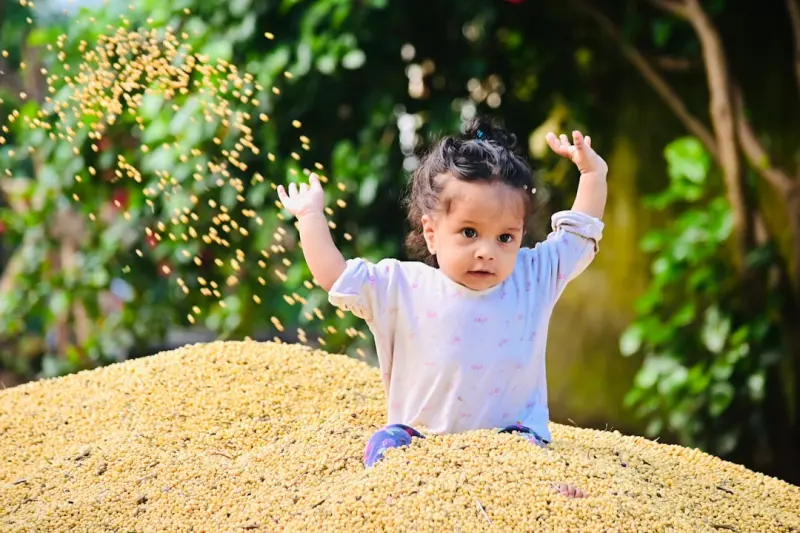
Raising Earth‑Savvy Babies: Practical Steps for a Low‑Waste Nursery
A step‑by‑step guide to building a low‑waste nursery, from choosing organic materials and clot... Read More
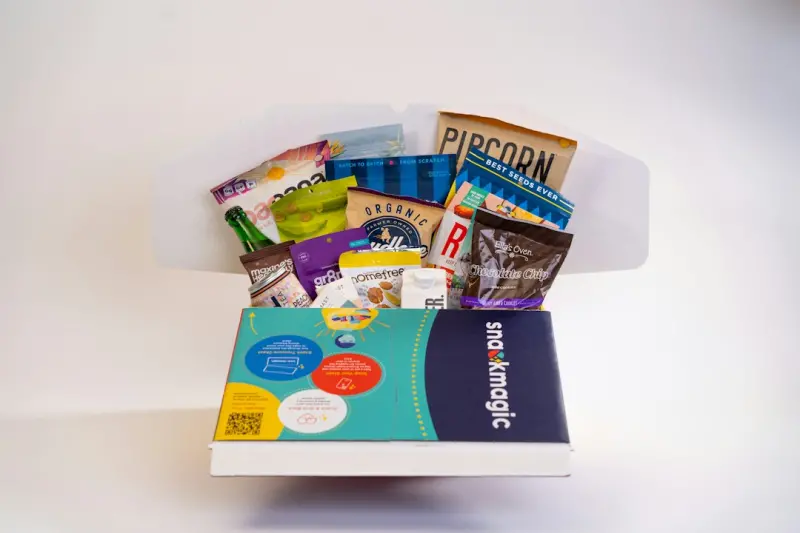
The Sensory Subscription Box Boom: A New Playbook for Modern Parents
A deep dive into the rise of sensory subscription boxes, highlighting their developmental benefits, ... Read More
Top Posts

Story‑Powered Growth: How Teens Can Build Confidence and Community
A teen who learns to craft and share stories not only sharpens empathy but also gains confidence, tech fluency, and even financial insight. This guide offers ac...Read More
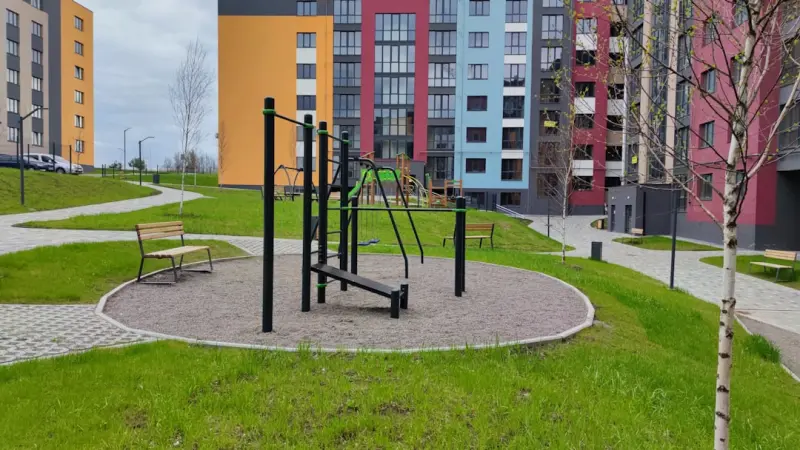
Micro‑Training Hubs: Neighborhood Gyms Fueling the Next Generation of Elite Athletes
Micro‑training hubs are redefining elite sports development by offering accessible, tech‑enabled facilities that combine personalized coaching, data‑drive...Read More
AI‑First Customer Success: Turning Data Into Proactive Relationships
AI‑first customer success shifts from reactive ticket handling to predictive health scores and prescriptive actions, turning data into proactive relationships...Read More
Mental Health in the Digital Age: Navigating the Complexities of Modern Life
Mental health in the digital age is a complex issue. Learn how to navigate the potential risks and benefits of technology to prioritize your well-being and prom...Read More
0 Comments
Post Comment
You will need to Login or Register to comment on this post!