
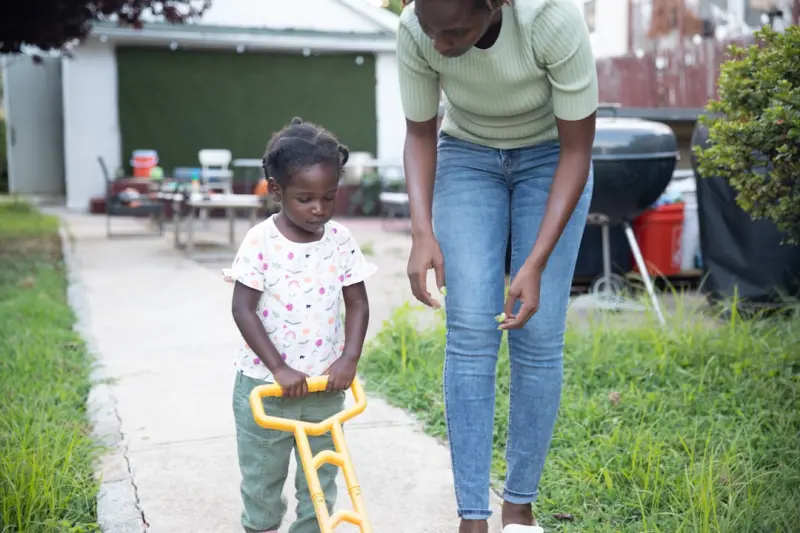
Why Modern Speed Is a Double‑Edged Sword for Our Children
In today’s hyper‑connected environment, the same technology that fuels instant communication and on‑demand entertainment also accelerates the pace at which risks reach our kids, turning a once‑manageable landscape into a rapid‑fire challenge that demands vigilant oversight, proactive education, and adaptable strategies; as a parent who has watched the shift from backyard games to digital playgrounds, I’ve learned that the speed of information flow can both empower and endanger, making it essential to recognize that every swipe, click, and notification carries a ripple effect that can extend far beyond the screen. Understanding how velocity influences safety means acknowledging that children are exposed to strangers, inappropriate content, and peer pressure in fractions of a second, a reality that forces us to rethink traditional protective measures and adopt a mindset that blends technological savvy with timeless parental instincts. By treating safety as a dynamic process rather than a static checklist, we create a resilient framework that can keep pace with the ever‑changing currents of modern life while preserving the innocence and wonder that define childhood.
The Invisible Threat: Digital Footprints Growing Faster Than We Can Track
Every app download, social media post, and location ping adds a layer to a child’s digital footprint, a trail that expands at a velocity rivaling the speed of viral memes, and if left unchecked, these data crumbs can be harvested by advertisers, cyber‑predators, or even well‑meaning strangers who misunderstand privacy boundaries; the challenge lies not only in limiting screen time but in cultivating a deep awareness of the long‑term implications of seemingly harmless online actions, a task that requires parents to become fluent in the language of privacy settings, encryption, and data minimization. I often compare this to the way a child learns to cross a street: they need to be taught to look both ways, understand traffic signals, and develop the confidence to make safe choices without a constant adult hand‑hold, and similarly, we must equip them with the tools to assess digital environments, recognize phishing attempts, and demand transparency from the platforms they use. Embracing this proactive stance transforms the invisible threat into a teachable moment, turning potential vulnerabilities into opportunities for growth and digital literacy.
Physical Safety in an Accelerated World: From Playgrounds to Parking Lots
While screens dominate many aspects of modern childhood, the physical world has not slowed down; neighborhoods are busier, traffic patterns more complex, and after‑school activities packed tighter than ever, creating a scenario where a child’s safe navigation of streets, parks, and school corridors demands a level of situational awareness that rivals a seasoned commuter; parents must therefore adopt a layered approach that blends clear rules, visible markers, and real‑time communication, ensuring that every step a child takes—whether sprinting to catch a bus or exploring a new bike trail—is anchored in a shared understanding of boundaries and expectations. I have found that establishing “safety contracts” with my kids, where we outline specific routes, check‑in times, and emergency contacts, not only builds trust but also reinforces their sense of responsibility, turning the act of walking home into a collaborative mission rather than a solitary trek. By integrating community resources such as neighborhood watch programs, school safety drills, and local law‑enforcement partnerships, we create a safety net that moves at the same speed as our children’s lives, reducing the likelihood of accidents and fostering a culture of collective vigilance.
Teaching Self‑Reliance: The Art of Empowering Kids to Make Quick, Safe Decisions
In a world where everything moves at breakneck speed, the ability to pause, assess, and act swiftly becomes a vital life skill, and teaching children how to make rapid yet sound decisions is as crucial as teaching them to tie their shoes; this involves role‑playing scenarios, discussing “what‑if” situations, and reinforcing the mantra that it’s okay to say no or seek help, a principle that can be the difference between a harmless mishap and a serious incident. By incorporating real‑world examples—such as a stranger offering candy, an unexpected fire alarm, or a sudden change in a digital platform’s terms of service—we help kids build a mental library of safe responses that can be accessed instinctively, much like a muscle memory formed through repeated practice. This empowerment not only boosts confidence but also reduces parental anxiety, as we witness our children navigating the fast‑paced environment with a blend of curiosity and caution that reflects the balanced upbringing we strive to provide.
Leveraging Technology: Apps, Geofencing, and Real‑Time Alerts
Paradoxically, the very technology that introduces new hazards can also serve as a powerful ally in safeguarding our children, provided we select tools that prioritize privacy, usability, and actionable insights; modern parental‑control apps now offer geofencing capabilities that send instant alerts when a child steps outside a predefined safe zone, real‑time activity logs that highlight unusual screen usage patterns, and even AI‑driven content filters that adapt to emerging threats without requiring constant manual updates. I recommend choosing platforms that allow granular control over permissions, provide transparent data policies, and integrate seamlessly with family devices, ensuring that the safety net is both robust and unobtrusive, a balance that mirrors the delicate dance between oversight and independence we aim to achieve. When paired with open communication—regularly reviewing alerts together and discussing the reasons behind certain restrictions—these technological safeguards become collaborative tools that reinforce trust rather than surveillance, turning the digital realm into a shared space for growth and protection.
Adopting a Mindset for Parenting: Speed with Substance
Just as marketers embrace rapid iteration to stay ahead—see Why Speed Rules the SERPs: A Mindset for Modern SEO—parents can apply a “sprint mindset” to safety, focusing on short, focused bursts of learning, adaptation, and feedback rather than waiting for crises to force change; this approach encourages us to set micro‑goals—like weekly digital‑privacy reviews, monthly safety drills, or quarterly community meet‑ups—allowing for continuous improvement without overwhelming the family’s rhythm. By treating safety as an evolving sprint rather than a static marathon, we stay responsive to new threats, such as emerging social platforms or novel outdoor hazards, and can pivot quickly, updating guidelines, tools, and conversations in real time. This agile philosophy doesn’t sacrifice depth; instead, it couples speed with substance, ensuring that each iteration builds on a solid foundation of trust, knowledge, and shared responsibility, ultimately creating a resilient safety culture that matches the tempo of modern life.
Community‑Centric Strategies: Learning from Collective Experience
One of the most effective ways to amplify individual safety efforts is by tapping into the collective wisdom of neighbors, schools, and local organizations, a concept explored in depth in Guarding Giggles: Modern Strategies for Kids Safety in a Fast‑Paced World, where collaborative initiatives such as shared watch groups, joint emergency drills, and community‑run digital‑literacy workshops transform isolated concerns into shared solutions; when parents, educators, and law‑enforcement agencies align their goals, resources, and communication channels, the resulting network acts like a safety net that catches potential issues before they cascade. I have personally seen the power of this model in action when our neighborhood organized a “Safety Saturday” event, combining bike‑safety demonstrations, cyber‑bullying awareness sessions, and a resource fair that connected families with vetted app developers and local mentors, creating a holistic ecosystem that supports children across both physical and virtual realms. By fostering these partnerships, we not only reduce individual burdens but also nurture a sense of communal responsibility that reinforces the idea that safeguarding our kids is a shared, ongoing sprint rather than a solitary race.
Closing Thoughts: Turning Speed Into a Safety Advantage
In a world that refuses to slow down, our greatest asset as parents is the ability to convert rapid change into proactive protection, blending timeless parenting instincts with cutting‑edge tools, community collaboration, and an agile mindset that embraces continuous learning; by acknowledging that speed can be both a risk and a resource, we empower our children to thrive amid the whirlwind of modern life, confident that they possess the knowledge, skills, and support network needed to navigate challenges with poise and prudence. As we move forward, let’s commit to regular check‑ins, transparent dialogues, and swift adaptations, ensuring that every sprint we undertake as a family is guided by purpose, safety, and the joyful curiosity that defines childhood. Together, we can transform the frantic tempo of today into a harmonious rhythm that protects our most precious gifts—our kids.

Robert Mathews is a professional content marketer and freelancer for many SEO agencies. In his spare time he likes to play video games, get outdoors and enjoy time with his family and friends . Read more about Robert Mathews here:
Related Posts

A Fresh Playbook for Everyday Kids Safety
Learn how to turn safety into a family story, create child‑friendly emergency kits, and teach digi... Read More
The Invisible Shield: Crafting a Digital Safety Playbook for Modern Kids
A comprehensive guide for parents on safeguarding kids in today’s connected world, covering smart ... Read More

AI‑Powered Voice Assistants and Wearables: A Community‑First Revolution in Kids Safety
A fresh look at child safety that blends AI voice assistants, intelligent wearables, and local safet... Read More
Top Posts

The Intersection of Web Design and Sustainable Living: A New Era of Eco-Friendly Innovation
The web design industry has a significant carbon footprint, but by making a few simple changes to our design approach, we can significantly reduce the environme...Read More

The Green Giant: How Sustainable Living is Revolutionizing Google
Google is leading the charge towards a more sustainable future, and its commitment to eco-friendly practices is setting a precedent for others to follow. Learn ...Read More

Beyond the Mirror: How AI Is Redefining Beauty Routines
Discover how AI-driven personalization, augmented reality mirrors, and privacy‑first tech are reshaping the beauty industry, offering consumers bespoke experi...Read More

Crafting Your Sanctuary: The Art of Intentional Home Decor for a Life Well-Lived
Transform your home into a personal sanctuary. Michelle Fisher guides you through intentional decor choices, from defining your style to integrating sustainable...Read More
0 Comments
Post Comment
You will need to Login or Register to comment on this post!