
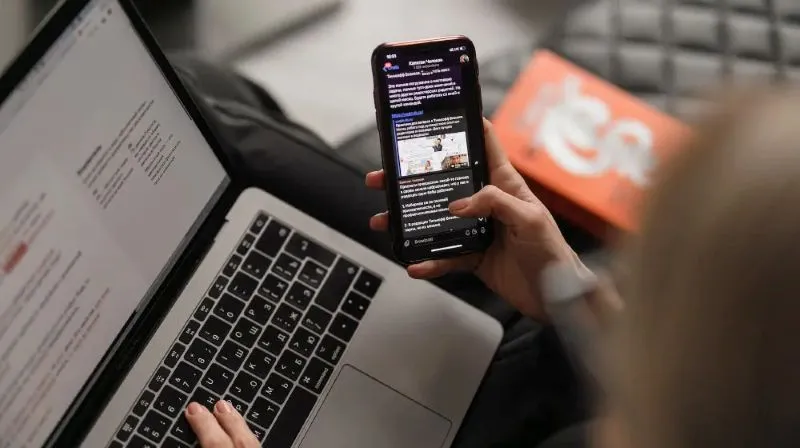
Email marketing remains a cornerstone of digital marketing, offering unparalleled reach, cost-effectiveness, and ROI. Despite the rise of social media and emerging platforms, email continues to deliver $42 for every $1 spent (DMA, 2023), making it a vital channel for businesses of all sizes. However, success in email marketing requires more than just sending messages—it demands strategy, precision, and an understanding of evolving consumer behaviors. This guide explores the most effective strategies, key metrics to track, and modern best practices to help you maximize email marketing’s potential.
Core Strategies for Effective Email Marketing
1. Segmentation: Tailor Your Approach
Segmentation is the foundation of successful email campaigns. By dividing your audience into smaller, targeted groups, you ensure that the right message reaches the right person at the right time.
- Demographic Segmentation: Group contacts by age, location, occupation, or gender. For example, a clothing retailer might send seasonal promotions tailored to regional weather patterns.
- Behavioral Segmentation: Use browsing history, purchase behavior, or engagement patterns. Abandoned cart emails, for instance, target users who left products in their carts, re-engaging them with personalized reminders.
- Lifecycle Stage Segmentation: Adapt messaging based on where a customer is in their journey. Welcome emails for new subscribers, loyalty rewards for long-time customers, and win-back campaigns for inactive accounts all improve relevancy.
Segmentation increases engagement by addressing specific needs, reducing spam complaints, and boosting conversion rates by up to 760% (Campaign Monitor, 2022).
2. Personalization: Go Beyond First-Name Greetings
Personalization transcends basic placeholders like “Hi [First Name].” Leverage data science to create hyper-relevant experiences:
- Dynamic Content: Customize content blocks based on user preferences. A streaming service might display movie recommendations based on viewing history.
- Predictive Sending: Use AI to anticipate which products a customer might want. Amazon’s recommendation-driven emails are a prime example.
- Triggered Emails: Automate messages based on user actions, such as password reset links, post-purchase follow-ups, or birthday discounts.
Personalized emails generate six times higher transaction rates than generic ones (Experian, 2023).
3. Automation: Streamline Campaigns and Boost Efficiency
Email automation saves time while enhancing customer experiences. Build workflows that adapt to user behavior without manual intervention:
- Drip Campaigns: Deliver a sequence of emails over time, such as onboarding series for new app users.
- Abandoned Cart Recovery: Send reminders with incentives (e.g., free shipping) to recover lost sales.
- Re-Engagement Campaigns: Target inactive subscribers with special offers or surveys to gauge their interest.
Automation reduces workload by 70% (HubSpot), allowing teams to focus on high-value strategic tasks.
4. Mobile-First Design: Optimize for Modern Users
Over 60% of emails are opened on mobile devices (Litmus, 2023). Ensure your designs are responsive:
- Use single-column layouts and large buttons for easy navigation.
- Keep subject lines short (under 50 characters) to prevent truncation.
- Prioritize loading times by compressing images and minimizing code.
A mobile-optimized email boosts open rates by 15% and reduces friction during conversions.
Key Metrics to Track and Optimize
To measure success, track the following metrics and adjust strategies accordingly:
Open Rate: The percentage of recipients who open your email. Industry benchmarks hover around 18–25%, but this varies by sector. A low open rate may indicate issues with subject lines, send times, or sender reputation.
Click-Through Rate (CTR): Measures the percentage of clicks on links within the email. A healthy CTR ranges from 2–5%. Low CTR suggests content or call-to-action (CTA) improvements are needed.
Conversion Rate: Tracks how many email clicks result in desired actions (e.g., purchases, sign-ups). This metric ties email performance directly to business goals.
Bounce Rate: The percentage of emails that couldn’t be delivered. A bounce rate above 2% (industry benchmark) signals list hygiene or DNS issues. Regularly clean invalid addresses to maintain sender reputation.
Unsubscribe Rate: Indicates how many recipients opt out after a campaign. While some churn is normal (below 0.5%), spikes may reveal content mismatch or overfrequency.
Use A/B testing to refine these metrics. For example, test subject lines with emojis versus plain text or experiment with CTA placement.
Modern Best Practices for 2024 and Beyond
1. Prioritize Data Privacy and Compliance
With regulations like GDPR and CAN-SPAM Act, compliance is non-negotiable.
- Obtain explicit consent through double opt-ins.
- Provide clear unsubscribe links and preference centers.
- Regularly audit data collection practices to avoid misuse.
A transparent approach builds trust and reduces legal risks.
2. Leverage Interactive Elements
Innovative formats catch attention and boost engagement:
- Polls and Surveys: Embed interactive questions to gather feedback in real time.
- GIFs and Videos: Use short, relevant videos to showcase products or services.
- Shoppable Emails: Allow purchases directly from the message, reducing friction (used by brands like Sephora).
Interactive emails see 73% higher click-through rates (Mailchimp, 2023).
3. Focus on Accessibility
Ensure your emails are inclusive:
- Use alt text for images and high-contrast color schemes.
- Avoid relying solely on color to convey information (e.g., red for errors).
- Structure content with semantic HTML for screen readers.
Accessible emails expand your reach and improve user satisfaction.
4. Integrate with CRM and Analytics Tools
Sync email data with tools like Salesforce or HubSpot to create unified customer profiles. This integration enables:
- Better segmentation by linking email behavior to purchase history.
- Real-time reporting to adapt campaigns on the fly.
5. Embrace AI and Machine Learning
AI tools now predict optimal send times, optimize subject lines, and detect spam triggers. Platforms like Phrasee and Persado use natural language generation to craft high-performing messaging.
Email marketing is a dynamic, high-ROI channel that evolves with technology and user expectations. By implementing segmented strategies, tracking critical metrics, and adopting modern best practices—such as AI-driven personalization, mobile optimization, and interactive content—businesses can create campaigns that resonate deeply with audiences. Remember: success isn’t about sending more emails but sending smarter ones. Continuously test, refine, and align your efforts with customer needs to stay ahead in the competitive digital landscape.
Whether you’re a seasoned marketer or just starting, this guide provides the framework to harness email marketing’s full potential. Start small, focus on data, and let your audience’s behavior guide your journey to success.

Laura Wilson is a freelance writer specializing in the dynamic and ever-evolving field of health. With a passion for translating complex medical information into accessible and engaging content, Laura brings a wealth of knowledge and a fresh perspective to topics ranging from preventative care and nutrition to cutting-edge research and innovative treatments.
Related Posts
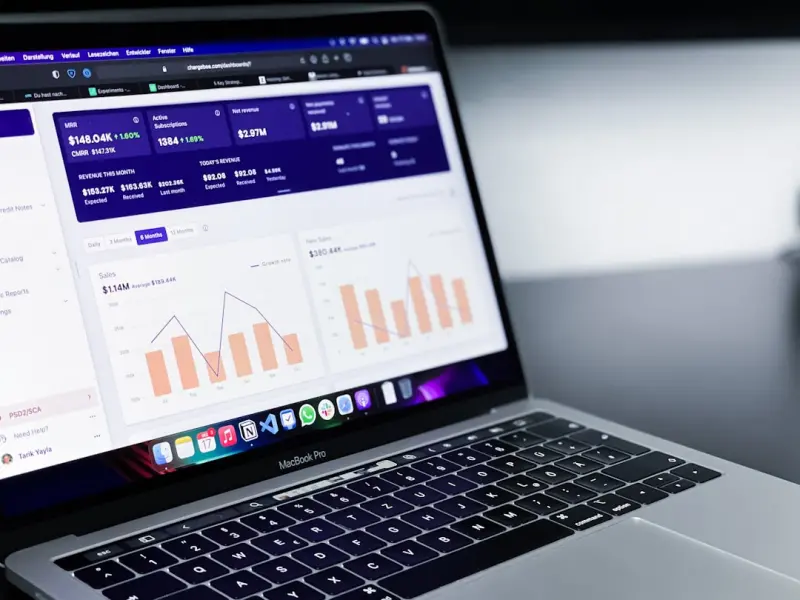
Interactive Video: The B2B Marketing Engine You’ve Been Missing
Interactive video turns passive viewers into active participants, delivering higher engagement, rich... Read More
Making the most out of Video Marketing
In the rapidly evolving digital ecosystem, content is king, and within that kingdom, video wears the... Read More

Empathy Meets Automation: Rewriting the Rules of B2B Marketing
A fresh look at B2B marketing shows that combining human empathy with automated workflows creates de... Read More
Top Posts

Sensory Layering: Redefining Modern Home Spaces
Explore the concept of sensory layering in home decor, learning how to harmonize color, texture, sound, and scent to create spaces that boost mood, focus, and w...Read More

Eco-Friendly Cleaning Hacks for a Sustainable Home
Make your home a more sustainable place with these eco-friendly cleaning hacks. Learn about natural cleaning products, DIY solutions, and sustainable practices ...Read More
The Internet’s 2026 Evolution: From AI Browsers to Sustainable Connections
A deep dive into the 2026 internet landscape—AI‑powered browsers, privacy strategies, and sustainable networking—plus actionable tips for staying ahead....Read More

Do You Know the Risks of Letting Your Browser Remember Your Credit Card?
In the allure of convenience often takes precedence over meticulous security. Among the myriad of features designed to streamline our online lives, the browser'...Read More
0 Comments
Post Comment
You will need to Login or Register to comment on this post!