
Finding My Green Thumb Again
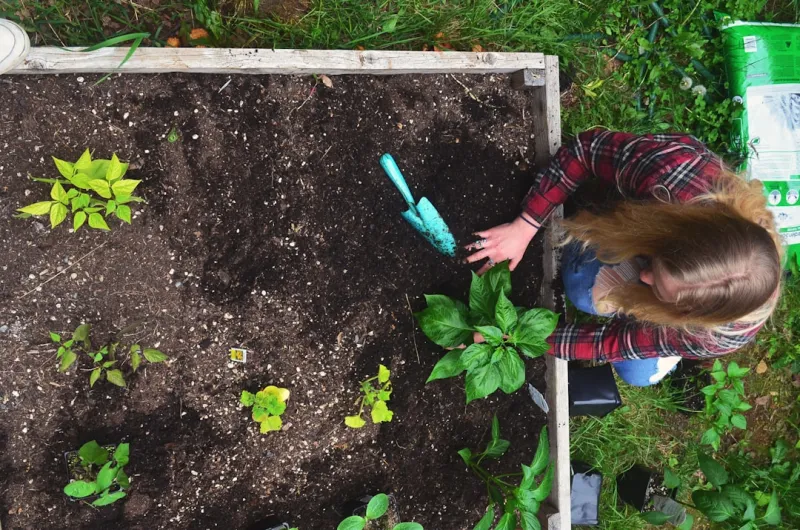
After years of juggling deadlines, client calls, and the relentless buzz of servers, I finally reclaimed a patch of earth behind my kitchen to rediscover the quiet joy of planting, and the moment my first seedling broke through the loam I felt a surge of purposeful calm that no analytics dashboard can replicate; the soil, dark and fragrant, reminded me that growth isn’t just a metric but a lived experience, and I quickly learned that the same patience required to nurture a garden can translate to the steady scaling of a tech business. I spent weekends reading old gardening manuals, sketching garden layouts on napkins, and listening to the subtle rustle of leaves as a reminder that even the most complex systems have simple, organic roots. As I settled into this rhythm, I realized that the lessons from my garden could inform the way I approach cloud hosting secrets—balancing resources, anticipating seasonal changes, and pruning excess to let the strongest ideas flourish.
The Soil: Foundation of Everything
Just as a reliable server environment underpins a thriving website, the health of my garden hinges on the composition of the soil, and I spent countless evenings testing pH levels, amending with compost, and rotating crops to ensure that nutrients are evenly distributed, because a well‑balanced substrate prevents disease and promotes vigorous root development, mirroring the way modern web hosting quietly powers digital experiences without fanfare. I learned to respect the living ecosystem beneath the surface—earthworms, mycorrhizal fungi, and beneficial bacteria work in concert to break down organic matter, releasing essential minerals that seedlings eagerly absorb, a process as invisible yet vital as background server processes handling millions of requests per second. By treating the soil as a living partner rather than a static medium, I cultivated a resilient garden that can weather drought, pests, and unexpected frosts, much like a robust hosting infrastructure that scales gracefully under traffic spikes.
Selecting the Right Plants for Your Space
When I first surveyed the modest 12‑square‑meter plot, I imagined a kaleidoscope of colors, herbs, and vegetables, but the reality of limited sunlight, wind exposure, and local climate forced me to adopt a strategic planting plan that prioritized hardy, low‑maintenance varieties, proving that ambition must be tempered with practicality, much like setting realistic goals for a startup’s growth trajectory. I chose a mix of native perennials, such as lavender and sage, which thrive without constant watering, alongside fast‑growing annuals like cherry tomatoes that reward patience with juicy harvests, and I spaced them thoughtfully to maximize airflow and reduce the risk of fungal diseases, echoing the importance of modular architecture in software design. The careful selection process taught me that every plant, like every feature in a product, has a unique role, and aligning those roles with the environment’s constraints ensures long‑term harmony and reduces the need for costly interventions later on.
Integrating Technology Without Overcomplicating
While I cherish the simplicity of hands‑on gardening, I also embraced a handful of smart tools—soil moisture sensors, weather stations, and an app that sends alerts when it’s time to water—because technology, when used judiciously, can amplify intuition rather than replace it, offering data‑driven insights that keep my garden thriving during unexpected heatwaves or sudden rain. I connected the sensors to a low‑power Wi‑Fi hub, set thresholds for moisture levels, and programmed the system to trigger a gentle drip irrigation cycle, which not only conserved water but also freed up my evenings for reading and reflection, demonstrating how automation can free mental bandwidth for creative pursuits. Yet I remain vigilant against the temptation to over‑automate; the most rewarding moments still come from feeling the soil between my fingers and adjusting care based on the plant’s visible cues, a balance that mirrors the way I approach scaling cloud resources—deploy just enough to meet demand and retain the flexibility to intervene manually when needed.
Companion Planting: Nature’s Mutualism
One of the most fascinating strategies I adopted is companion planting, a practice where certain plants are paired because they enhance each other’s growth, deter pests, or improve soil health, and this concept resonated deeply with my experience in collaborative project management where cross‑functional teams amplify each other’s strengths. I planted marigolds alongside carrots to repel nematodes, basil next to tomatoes to boost flavor and deter aphids, and nitrogen‑fixing beans beside corn to enrich the soil, creating a living web of support that reduces the need for chemical interventions, much like fostering a culture of knowledge sharing reduces the need for redundant documentation in a tech firm. Observing these symbiotic relationships in my backyard reinforced the principle that thoughtful pairing—whether of plants or people—creates resilient systems that thrive on mutual benefit.
Seasonal Rhythms and Sustainable Practices
Understanding the seasonal cycles of my region became a cornerstone of sustainable gardening; I learned to sow cool‑season greens like kale in early spring, transition to heat‑loving peppers in midsummer, and finish with root crops that can be harvested late into autumn, ensuring that the garden remains productive year after year without depleting the soil, a principle that aligns with the ethos of holistic health hacks—feeding the body with what it naturally needs at each stage of life. I also incorporated mulching with straw and leaves to retain moisture, suppress weeds, and add organic matter back into the ground, turning waste into a resource and reducing the need for synthetic fertilizers, much like recycling code modules reduces technical debt. By honoring the natural ebb and flow of temperature, daylight, and precipitation, I cultivated a garden that not only yields food but also serves as a living classroom for sustainable living.
Harvesting the Rewards—and Learning from the Failures
There is no sweeter satisfaction than pulling a ripe zucchini from the vine, tasting a sun‑kissed strawberry, or snipping fresh basil for a dinner sauce, and each successful harvest feels like a tangible proof of the careful planning, consistent care, and adaptive problem‑solving that went into the process, mirroring the exhilaration of launching a feature that users love after months of iteration. Yet not every seed sprouted; I lost a patch of lettuce to an unexpected frost and watched a batch of seedlings succumb to overwatering, experiences that taught me humility and the importance of keeping detailed garden journals—records of planting dates, weather patterns, and interventions that guide future decisions, similar to maintaining comprehensive change logs in software development. These highs and lows reinforce the mindset that growth is a continuous loop of experimentation, feedback, and refinement, and that each setback carries a seed of insight for the next cycle.
Sharing the Garden Wisdom with Community
One of the most rewarding extensions of my gardening journey has been sharing surplus produce, seeds, and stories with neighbors, friends, and online forums, fostering a sense of community that echoes the collaborative spirit I cherish in the tech world, where open‑source contributions and knowledge exchange drive collective progress. I host occasional weekend workshops on composting and seed saving, and I post weekly updates on my garden’s progress, inviting comments and tips that often spark innovative ideas—like using reclaimed rain barrels that inspired a recent sustainability project at work—demonstrating how the garden can be a catalyst for cross‑disciplinary creativity. By opening the gate to my green space, I not only multiply the impact of my efforts but also reinforce the principle that nurturing relationships, whether rooted in soil or code, yields abundant returns.
Looking Forward: A Garden That Grows With Me
As I look toward the coming seasons, I envision my garden evolving into a more diverse, resilient ecosystem—incorporating pollinator habitats, rain gardens, and perennial herb spirals that require less annual replanting, mirroring my own professional evolution toward long‑term, sustainable growth strategies that prioritize adaptability over quick wins. I plan to integrate more data‑driven insights, perhaps linking my weather station to a machine‑learning model that predicts optimal planting windows, blending the art of gardening with the science of analytics in a harmonious dance that keeps me both grounded and forward‑thinking. Ultimately, the garden serves as a living reminder that progress is not a sprint but a patient, iterative journey, and by tending to it with curiosity, respect, and a sprinkle of technology, I continue to cultivate not just plants, but a richer, more balanced life.

David Moore is a freelance writer specializing in two dynamic and ever-evolving fields: gambling and the tech industry. With a keen eye for detail and a knack for unraveling complex topics, David delivers insightful and engaging content that keeps readers informed and entertained.
Related Posts
The Secret Power of Soil Microbiomes: How to Grow a Thriving Garden Naturally
Explore the hidden world of soil microbiomes and learn actionable steps to nurture this underground ... Read More
Nurturing Your Soul: Modern Gardening Lessons for a Balanced Life
Explore the therapeutic power of gardening, from soil health to pollinator sanctuaries, and learn ho... Read More

Balcony Micro‑Ecosystems: Crafting a Sensory Garden in Small Spaces
Turn your balcony into a living sanctuary. Learn modular tools, smart soil tricks, and sensory plant... Read More
Top Posts

The Role of Social Media in Your Website SEO
In the ever-evolving digital landscape, the relationship between social media and Search Engine Optimization (SEO) has been a subject of continuous debate. For ...Read More

Micro‑Frontends Unleashed: Building Scalable Web Apps One Piece at a Time
Learn why micro‑frontends are the secret sauce for modern web apps, how they empower independent teams, and practical steps to adopt this modular approach wit...Read More

The Future of Fashion: How Tech‑Driven Accessories Are Redefining Personal Style
A deep dive into how digital wardrobes, customizable sneakers, and security‑first design are reshaping the fashion accessories landscape, empowering consumers...Read More

Invisible Threats: Everyday Habits Undermine Security
A deep dive into the everyday micro‑behaviors that silently expose corporate data, offering actionable habits, zero‑trust tactics, and AI‑powered tools to...Read More
0 Comments
Post Comment
You will need to Login or Register to comment on this post!