
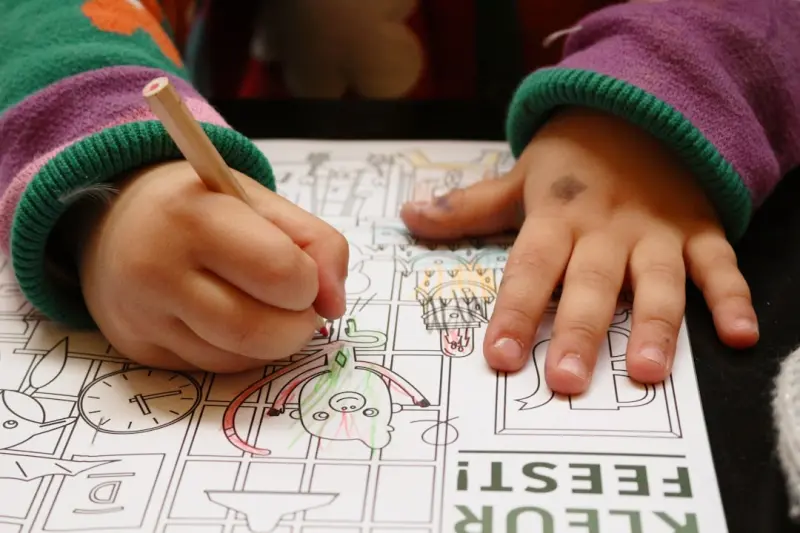
Turning Safety Into a Family Story
When children hear safety lessons wrapped in imagination, the ideas stick like glitter on a craft project, turning abstract warnings into memorable adventures. Story‑driven drills invite kids to become the heroes who rescue a stuffed animal trapped in a fire‑safe zone or the detectives who locate a missing emergency contact card hidden in the living room. By weaving routine checks—like testing smoke alarms or practicing the “stop, drop, and roll” move—into a narrative arc, parents create a rehearsal that feels less like a chore and more like a chapter from a favorite bedtime tale. The result is a household where safety becomes a shared language, not a list of commands, and every family member knows their role when the plot thickens.
Co‑Creating a Safety Contract With Kids
One powerful way to embed responsibility is to draft a simple safety contract together, using language that matches a child’s comprehension level while still covering the essentials. The contract can list clear expectations—such as keeping doors locked after school, asking permission before using the kitchen, and reporting unfamiliar strangers—and also outline the rewards for consistent adherence, like a sticker chart or extra storytime. Involving children in the negotiation process turns the agreement into a partnership rather than a top‑down rule, fostering a sense of ownership that boosts compliance. When the contract is displayed on the fridge, it serves as a visual reminder that safety is a collective promise, reinforcing the habit of checking in before taking action.
Building a Kid‑Focused Emergency Kit
Most families have an emergency kit, but few tailor one to be child‑friendly, which can make a crisis feel overwhelming for a young mind. Assemble a small, brightly colored backpack that contains a miniature flashlight, a whistle, a water bottle, a few comfort items like a favorite plush, and a laminated card with the family’s emergency contact numbers written in large, readable print. Teach children how each item works through a series of role‑play exercises—press the whistle to signal for help, turn on the flashlight to find a safe path, or use the card to call a trusted adult. Repeating these scenarios every few months builds muscle memory, ensuring that when the unexpected occurs, the child can act with confidence rather than panic.
Teaching Digital Vigilance Through Playful Exploration
In today’s hyper‑connected world, online safety is as vital as physical safety, yet the conversation often feels intimidating for both parents and kids. Introduce the concept of digital vigilance by turning it into a game where children earn points for spotting phishing clues, such as misspelled URLs or unsolicited requests for personal information. Pair this activity with practical tools like parental control settings and teach kids how to verify a website’s authenticity before clicking, reinforcing a habit of critical thinking. By framing these lessons as challenges rather than restrictions, children learn to navigate the internet responsibly while still feeling empowered to explore.
Mapping Safe Routes and Neighborhood Allies
Walking to school or the park can become a confidence‑building exercise when children know the safest pathways and the trusted faces they might encounter along the way. Work together to draw a simple map highlighting crosswalks, traffic lights, and well‑lit streets, and mark “buddy spots” where a neighbor or community volunteer regularly watches for passing children. Encourage the habit of checking in with a designated adult before taking a new route, and practice a “stop‑look‑listen” routine at each intersection. By reinforcing these steps, kids internalize a mental checklist that turns ordinary trips into structured safety missions, reducing anxiety about unfamiliar surroundings.
Empowering Kids to Inspect Their Own Space
Childproofing often feels like a one‑time checklist, but turning it into an ongoing activity empowers children to become vigilant caretakers of their environment. Provide a set of brightly colored stickers that represent potential hazards—sharp edges, loose cords, or reachable cleaning supplies—and ask children to place a sticker on any item they identify as risky. Conduct a weekly “safety sweep” together, discussing why each flagged item might be dangerous and how to mitigate the risk, such as moving a charger out of reach or securing a tall bookshelf to the wall. This collaborative approach not only reduces the likelihood of accidents but also teaches kids to think proactively about their surroundings.
Fostering Emotional Safety Through Open Dialogue
Physical safety is only one side of the coin; emotional security is equally crucial for a child’s overall wellbeing. Establish a daily “feelings check‑in” where each family member shares something that made them happy, worried, or confused, using simple prompts like “What felt safe today?” and “Did anything make you uncomfortable?” Encourage children to voice concerns without fear of dismissal, reinforcing that their feelings matter and deserve attention. Pair these discussions with age‑appropriate storybooks that model healthy communication, allowing kids to see examples of how to express uncertainty and seek help. Over time, this routine builds trust and equips children with the language they need to alert adults when they sense danger, whether physical or emotional.
Integrating the Practices and Continuing the Journey
Embedding safety into the fabric of daily life requires consistency, creativity, and a willingness to adapt as children grow. Start by selecting one of the strategies above—perhaps the story‑driven drills or the personalized emergency kit—and implement it for a month, observing how the family responds and adjusting as needed. As the habit solidifies, layer additional practices, creating a comprehensive safety culture that evolves with each milestone. For deeper insights on nurturing curiosity while keeping kids protected, explore the article on sensory play activities that blend learning with safe exploration. Likewise, for guidance on safeguarding online experiences, read about protecting kids' online privacy. By weaving these resources into your routine, you ensure that safety remains a dynamic, empowering journey for the whole family.

Margaret Thomson is a seasoned freelance writer specializing in the dynamic worlds of marketing and advertising. With a career deeply rooted in the marketing field, Margaret brings a wealth of practical experience and insightful knowledge to her writing.
Related Posts

Beyond the Playground: Data‑Driven Design for Kids Safety
A data‑first mindset turns hidden risks into actionable alerts, empowering parents, schools, and p... Read More
The Invisible Shield: Crafting a Digital Safety Playbook for Modern Kids
A comprehensive guide for parents on safeguarding kids in today’s connected world, covering smart ... Read More

Turning Safety Into Play: A Fresh Approach for Today’s Kids
Explore a fresh, play‑centric perspective on kids safety that blends home design, digital literacy... Read More
Top Posts

From Chaos to Keepsake: Designing a Wedding That Feels Like a Living Story
Discover a fresh approach to wedding planning that focuses on storytelling, subtle technology, and lasting legacy, turning every detail into a meaningful part o...Read More

Titans of Torque: Why Certain Power Tool Brands Endure and Dominate The Market
In the dynamic world of DIY and professional trades, power tools are not merely instruments; they are extensions of our will, catalysts for creation, and essent...Read More

Why the Fast‑Lane of Social Media Needs a Slow‑Living Reset
Explore the paradox of instant influence on social platforms and learn how adopting a slow‑living approach can rebuild authenticity, deepen community ties, an...Read More

Dedicated Hosting: The Unsung Powerhouse for Enterprise SaaS
Dedicated hosting provides exclusive hardware resources, enhanced security, and regulatory compliance that can give enterprise SaaS platforms a performance and ...Read More
0 Comments
Post Comment
You will need to Login or Register to comment on this post!