
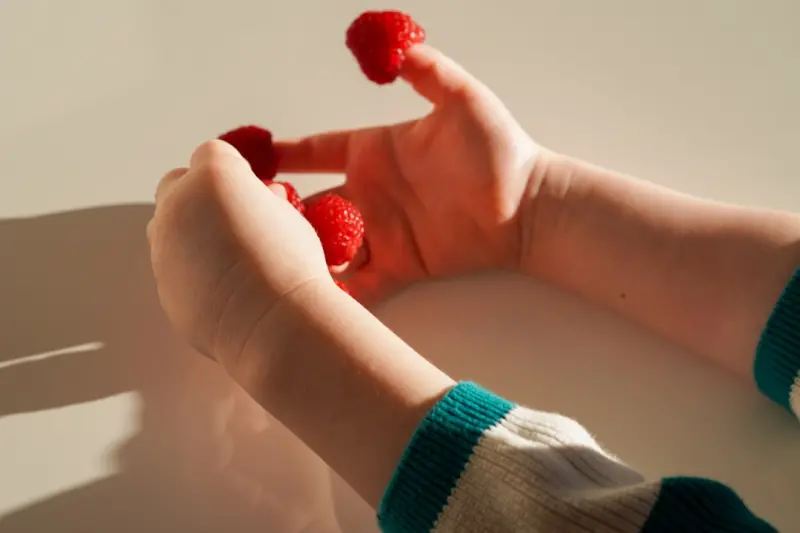
Why Sensory Play Is the Secret Sauce for Early Development
When I first cradled my newborn, the world felt like a blur of smells, textures, and sounds, each one whispering clues about how a tiny brain learns to map reality. As my son grew into a curious toddler, I realized that the most powerful classroom was not a bright‑colored rug but the simple act of letting him explore a bowl of rice, a puddle of water, or a stack of soft fabric. Deliberate sensory play turns everyday moments into neural fireworks, wiring pathways that support language, motor skills, and emotional resilience—all before a single word is spoken.
The Science Behind the Mess
Neuroscientists tell us that the brain’s plasticity peaks in the first three years, a window when sensory input is the fuel for synaptic growth. When a toddler squeezes a squishy sponge, the tactile receptors in their skin fire, sending signals that integrate with visual and auditory cues to build a holistic understanding of the object. Studies show that children who regularly engage in multi‑sensory activities score higher on problem‑solving tests, because they learn to coordinate hand‑eye movements, balance, and language in real time. In short, a little mess is a catalyst for a lifetime of learning.
Everyday Items, Extraordinary Experiences
One of my favorite hacks is to raid the kitchen for items that are safe, inexpensive, and endlessly reusable. A shallow tray of cooked pasta becomes a glittering sea for a miniature boat; a zip‑lock bag filled with cold beans transforms into a chilly, squishy stress ball that perfects grasp strength. Even the humble cardboard box can become a tunnel, a fort, or a canvas for finger painting with edible dyes. By repurposing what’s already at hand, you not only spark creativity but also model an eco‑friendly mindset that your child will inherit.
Safety First: Preparing the Play Space
Before the adventure begins, a few safety checks keep the fun from turning into a fiasco. Secure any loose cords, anchor heavy furniture, and keep small parts out of reach of children under three. I always lay down a washable mat, because spills and splatters are inevitable when curiosity takes the lead. For parents who love a structured approach, consider reading building a sustainable routine for tips on establishing play habits that fit smoothly into your day without overwhelming anyone.
Weaving Language Into Touch
Sensory play is the perfect launchpad for expanding vocabulary, especially when you narrate every action in a warm, expressive tone. While your toddler explores the texture of a fluffy pom‑pom, say, “Feel how soft this pom‑pom is, like a cloud hugging your hand.” Pair the word with a gesture, and you create a multimodal cue that sticks. Repeating these descriptive phrases while the child is fully engaged reinforces word‑object connections, turning a simple tactile experience into a language‑rich lesson.
Emotional Regulation Through Exploration
Messy play isn’t just about building muscles; it also offers a safe outlet for big feelings. When a toddler squeezes a stress‑ball or splashes water, the rhythmic motion releases endorphins that calm the nervous system. I’ve watched my son transition from a frustrated whine to a giggling grin within minutes of a sensory break. By acknowledging the emotions that arise—“I see you’re feeling angry—let’s mash the dough together”—you teach him that feelings are manageable, not something to be hidden.
Family Bonding in the Sensory Zone
One of the most rewarding aspects of this approach is the shared experience it creates among caregivers, siblings, and even grandparents. When everyone gathers around a tray of colored rice, the conversation naturally shifts from “What are you doing?” to “Let’s make a rainbow mountain together.” These collaborative moments strengthen attachment, as each participant mirrors the child’s excitement and curiosity. The result is a family narrative woven with laughter, discovery, and a deep sense of belonging.
Zero‑Waste Play: Teaching Responsibility Early
In an era where waste is a growing concern, integrating a zero‑waste mindset into toddler play sets a foundation for sustainable habits. Opt for reusable silicone molds instead of disposable trays, repurpose old socks as sensory bags, and store leftovers in glass jars for future experiments. This not only reduces clutter but also introduces your child to the concept that every resource can have multiple lives—a lesson that will echo far beyond the playroom.
Turning Play Into a Lifelong Habit
By now you’ve seen how a simple bowl of beans can become a powerhouse of development, language, and emotional growth. The key is consistency: schedule short, focused sensory sessions a few times a week, and watch as confidence blooms alongside motor skills. Invite friends to share their favorite homemade activities, creating a community of parents who champion curiosity over screens. As you continue to experiment, remember that the best teacher is the one who encourages exploration, celebrates mess, and delights in the wonder that only a toddler can bring to the world.

Lauren Miller is a true outdoors enthusiast who has found her passion in the trades. When she's not working hard on the job, you can find her writing, camping, fishing, and exploring all that nature has to offer. A dedicated partner to her wife Beth, Lauren loves nothing more than spending quality time together and experiencing the great outdoors side by side.
Related Posts
Raising Tiny Trendsetters: A Rebel Dad’s Guide to Modern Baby & Toddler Parenting
A rebel dad shares his 2024 playbook for raising stylish, resilient toddlers—balancing tech, ecoâ€... Read More
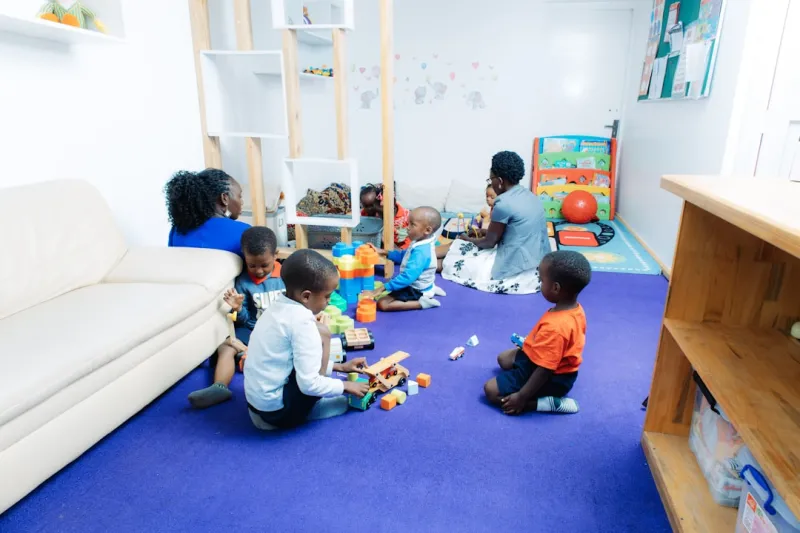
Nurturing Little Minds: A Holistic Approach to Parenting in the Digital Age
Raising a child in today's digital world requires a holistic approach that prioritizes their well-be... Read More

Playful Routines: A Secret Sauce for Raising Confident, Curious Toddlers
Learn how to weave playful, flexible routines into daily life to boost your toddler’s confidence, ... Read More
Top Posts

Navigating the Digital Playground: A Modern Guide to Online Safety
In a hyper‑connected world, staying safe online demands savvy habits, reliable tools, and a proactive mindset. Learn how to shield yourself and your kids whil...Read More

Turn Your Living Room into a Curated Gallery: A Fresh Take on Home Decor
Learn to turn everyday spaces into curated galleries using statement pieces, smart lighting, modular displays, and seasonal rotations for a home that feels like...Read More

5 Apps to Create an Office in Your Pocket
The digital age has revolutionized the way we work, allowing us to stay connected and productive from anywhere in the world. With the rise of mobile technology,...Read More

Mastering LinkedIn as a Creative Sprint: Fast, Focused, and Future‑Ready
Discover how treating LinkedIn like a creative sprint can turbo‑charge your professional brand and drive real connections....Read More
0 Comments
Post Comment
You will need to Login or Register to comment on this post!