

Playful Routines: A Secret Sauce for Raising Confident, Curious Toddlers
When I first cradled my newborn, the world seemed to shrink to the size of a bassinet and a soft lullaby. Fast‑forward a few years, and my toddler is a whirlwind of questions, experiments, and the occasional tantrum that feels like a tiny volcanic eruption. Amid the chaos, I discovered a surprisingly simple strategy that transformed our daily grind into a nurturing playground: playful routines. Not the rigid schedules you see on parenting blogs, but fluid, joy‑filled patterns that invite curiosity, build confidence, and gently shape emotional intelligence.
Why “Playful” Beats “Strict” Every Time
Traditional routines—think “wake up at 7 am, breakfast at 7 :30, no screen time after 6 pm”—are often rooted in efficiency. They work well for adults who can compartmentalize tasks, but toddlers thrive on exploration. When a routine feels like a game, the child’s brain releases dopamine, reinforcing the behavior and making it stick without the need for coercion.
Research on early childhood development shows that when children associate structure with fun, they become more willing to engage, try new things, and even recover from setbacks. In short, the playful routine is a win‑win: it satisfies the adult’s need for predictability while honoring the child’s innate drive to discover.
Four Pillars of a Playful Routine
- Predictable Yet Flexible – Set anchor points (like “morning cuddle” or “evening story”) but leave room for improvisation. If a rainstorm interrupts an outdoor walk, turn the hallway into a “rain‑forest adventure.”
- Sensory Richness – Incorporate textures, sounds, and smells. A simple “sensory bowl” of rice, beans, and smooth stones can become a math lesson or a storytelling prompt.
- Choice Empowerment – Offer limited options (“Do you want to brush teeth before or after your snack?”). Choices give toddlers a sense of agency, which fuels confidence.
- Emotional Tagging – Pair each activity with a feeling word (“We’re feeling brave while we climb the couch‑mountain”). This builds emotional vocabulary and self‑awareness.
Morning Magic: Starting the Day with Curiosity
Our mornings now begin with a “Sunrise Stretch‑and‑Sing” session. Instead of a hurried diaper change followed by cereal, we roll out a soft mat, play a short tune, and stretch our arms toward the ceiling. I ask my toddler, “What do you think the sun is feeling today?” The answer is usually a giggle‑filled “warm!” or “sleepy!”—both perfectly acceptable.
Why does this matter? The stretch‑and‑sing routine does three things at once:
- It wakes up the body gently, reducing the cortisol spike that a sudden alarm can cause.
- It turns an ordinary moment into a language‑rich interaction, expanding vocabulary.
- It establishes a predictable anchor (the song) that signals it’s time for the day to unfold.
After the stretch, we transition into a “Mini‑Chef” breakfast where my toddler can pour pre‑measured oats into a bowl. The sense of contribution here is priceless; it’s a tiny triumph that fuels confidence for the rest of the day.
Midday Adventures: Turning the Ordinary Into the Extraordinary
Lunches are now “Mini‑Explorer Expeditions.” The kitchen table becomes a map, and the plate a landscape. We label foods as “mountain peaks” (broccoli), “river valleys” (sweet potatoes), and “sunny meadows” (banana slices). My child learns to describe textures (“crunchy mountain”) and colors (“bright meadow”), reinforcing descriptive language while making nutrition a story.
When the weather is gloomy, we bring the outdoors inside. A circular cleaning solution—a simple mixture of vinegar and water in a reusable spray bottle—doubles as a science experiment. My toddler watches the “magic potion” dissolve sticky spots, and we discuss the concept of “cleaning cycles.” This not only keeps the house tidy but also plants seeds of environmental stewardship early on.
Afternoon Calm: The Power of Slow Play
After the high‑energy lunch adventure, we deliberately slow down with a “Quiet Corner” session. It’s a cozy nook filled with soft pillows, a small bookshelf, and a basket of tactile toys (soft blocks, fabric books). The rule is simple: no screens, no loud noises—just gentle play.
During this time, I often introduce a “Feelings Card”—a laminated card with a smiley, a frown, and a surprised face. We ask, “Which feeling matches what you’re doing right now?” This tiny habit builds emotional literacy, a skill that will serve children through school and beyond.
Evening Wind‑Down: Storytelling as a Confidence Builder
Our bedtime ritual used to be a single story read aloud. Now it’s a collaborative “Story Circle.” I start with a sentence—“Once upon a time, a brave little bunny hopped into the moonlit forest…”—and invite my toddler to add the next line. We bounce ideas back and forth, sometimes weaving in the day’s experiences (“Remember the crunchy mountain we ate for lunch?”). By the end, we’ve co‑created a whimsical tale that feels personal and triumphant.
Why this works:
- It reinforces narrative structure (beginning, middle, end), a foundational literacy skill.
- It validates the child’s imagination, letting them see their ideas as valuable.
- It creates a calm, predictable endpoint to the day, easing the transition to sleep.
Sustainable Play: Tiny Tweaks for a Greener Parenting Journey
While we’re busy building confidence, I’m also mindful of the planet. A recent article on sustainable home tweaks inspired me to audit our baby gear. Here are three low‑effort changes that align with playful routines:
- Reusable Cloth Diapers – They’re softer than disposables and become part of the “touch‑and‑feel” exploration during diaper changes.
- Upcycled Toy Bins – Old wooden crates painted in bright colors become “treasure chests,” encouraging tidy habits while reducing waste.
- DIY Sensory Bottles – Fill recycled plastic bottles with water, glitter, and tiny beads. They’re mesmerizing visual toys that double as calming tools during overstimulation.
Each of these swaps integrates seamlessly into our daily patterns, turning sustainability into an incidental lesson rather than a forced chore.
Measuring Success: When Playful Routines Pay Off
It’s tempting to track progress with checklists, but the true metrics are subtle:
- Increased Language Use – My toddler now strings together three‑word sentences during play, a leap from the one‑word stage just months ago.
- Improved Emotional Regulation – When a toy breaks, the first reaction is “I’m sad,” followed by a calm discussion, rather than an immediate scream.
- Greater Independence – Small tasks like pouring cereal or picking out clothes happen with minimal prompting.
These outcomes aren’t accidental; they’re the natural by‑product of a routine that respects a child’s need to feel competent, understood, and safe.
Getting Started: A 7‑Day Playful Routine Challenge
If you’re ready to experiment, try this simple challenge. Each day, pick one anchor point and infuse it with a playful twist:
- Day 1 – Sunrise Stretch‑and‑Sing: Add a new “sun feeling” adjective.
- Day 2 – Mini‑Chef Breakfast: Let your toddler choose a fruit “secret ingredient.”
- Day 3 – Explorer Lunch: Rename one food item with a whimsical title.
- Day 4 – Science Cleaning: Demonstrate the “magic potion” with a different household surface.
- Day 5 – Quiet Corner: Introduce a new tactile toy and discuss its texture.
- Day 6 – Feelings Card: Add a new emotion (e.g., “excited”) to the set.
- Day 7 – Story Circle: Incorporate a character from your child’s day (like “the brave bunny” who ate the crunchy mountain).
Document the moments—photos, short notes, or a voice memo. In a week, you’ll likely notice brighter eyes, more chatter, and a smoother flow to the day.
Final Thoughts: The Gift of Playful Consistency
Parenting isn’t about perfection; it’s about showing up with love, curiosity, and a willingness to adapt. Playful routines embody that philosophy. They give toddlers a safe framework to test boundaries, explore sensations, and celebrate tiny victories—all while fostering confidence that will echo into school, friendships, and adulthood.
So the next time you find yourself rushing through the morning or feeling overwhelmed by the endless to‑do list, remember that a simple song, a stretch, or a shared story can be the cornerstone of a day that feels less like a marathon and more like an adventure. Your toddler will thank you with giggles, new words, and the unshakable belief that they can try, fail, and try again—because every moment is a chance to play, learn, and grow.

Margaret Thomson is a seasoned freelance writer specializing in the dynamic worlds of marketing and advertising. With a career deeply rooted in the marketing field, Margaret brings a wealth of practical experience and insightful knowledge to her writing.
Related Posts

The Sensory Subscription Box Boom: A New Playbook for Modern Parents
A deep dive into the rise of sensory subscription boxes, highlighting their developmental benefits, ... Read More
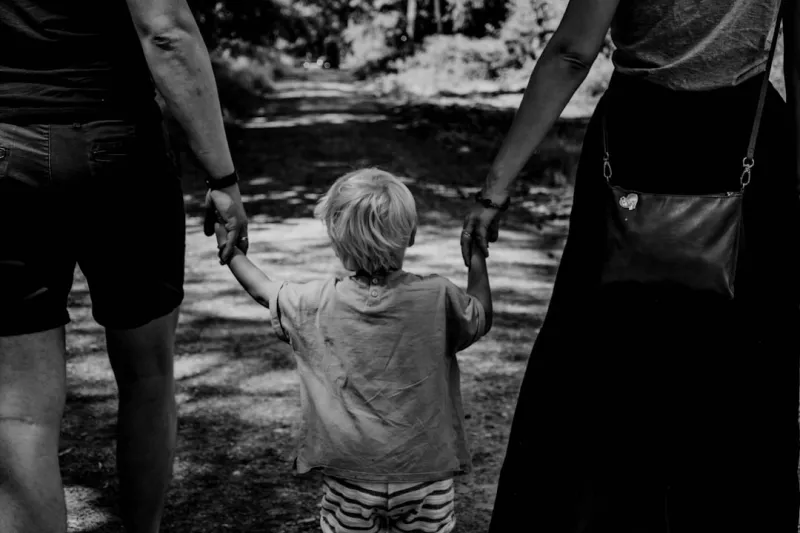
Parenting: Raising Bold, Curious Babies and Toddlers
Explore a fresh, approach to baby and toddler parenting. From milestone revolutions to tech‑balanc... Read More
Raising Tiny Trendsetters: A Rebel Dad’s Guide to Modern Baby & Toddler Parenting
A rebel dad shares his 2024 playbook for raising stylish, resilient toddlers—balancing tech, ecoâ€... Read More
Top Posts

Navigating the New Era of SEO: Core Updates, AI, and E-E-A-T
The SEO landscape is transforming with core updates, AI, and E-E-A-T. This article by David Moore provides critical insights to understand these shifts and adap...Read More
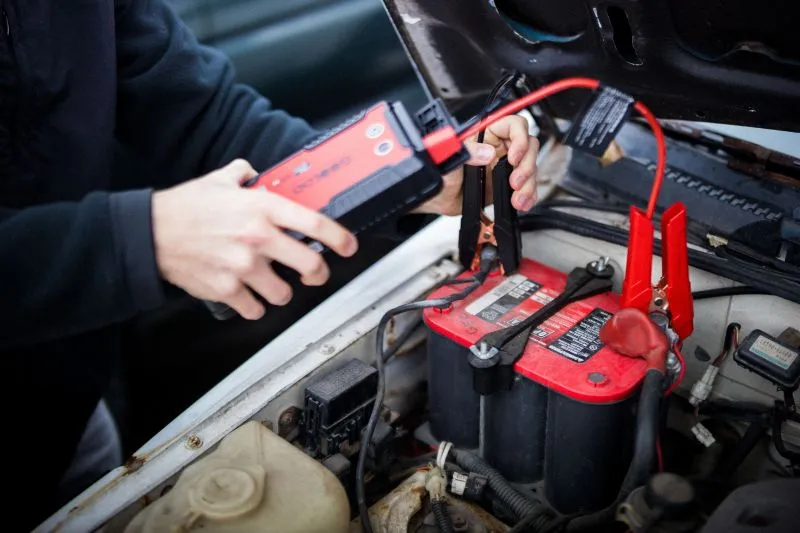
What's the Best Automotive Jump Starter for Your Vehicle?
The sudden silence of a failed engine start is a familiar and frustrating experience for many drivers. A dead car battery, often unexpected and inconvenient, ca...Read More

Your Essential Guide to Protecting Your Garage Door This Winter
The garage door, often the largest moving fixture on any home, serves as both a primary entry point and a critical barrier against the elements. Yet, it is freq...Read More

Domain Reputation – Google’s Hidden Blocklist
In the vast, interconnected world of the internet, trust is the ultimate currency. Every website, every email sent, and every online interaction contributes to ...Read More
0 Comments
Post Comment
You will need to Login or Register to comment on this post!