
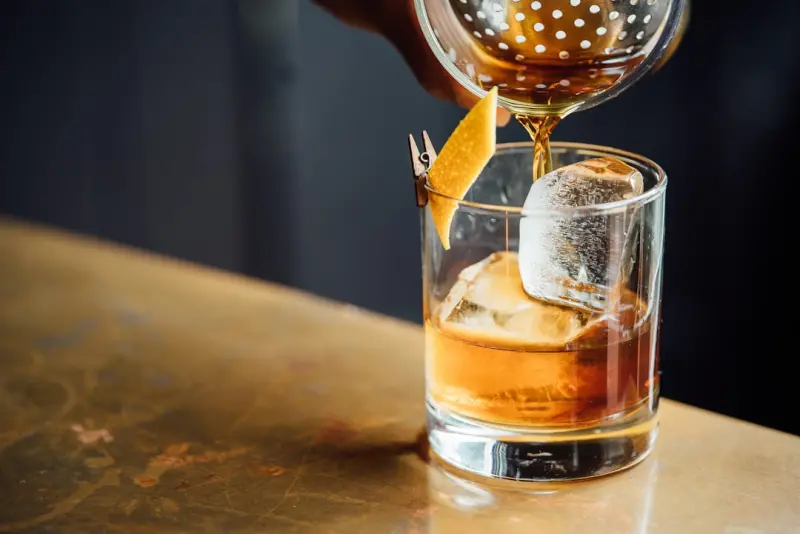
Why the Cocktail Scene Is Turning Green
When I first set foot in a bustling rooftop bar, the clink of glasses was the soundtrack to my evening, but the sight of discarded fruit peels and single‑use straws sparked an unexpected curiosity. In the last few years, a quiet revolution has been bubbling beneath the foam of our favorite drinks, as bartenders and home enthusiasts alike begin to question the hidden cost of a perfectly mixed Manhattan. Zero‑waste cocktail crafting isn’t just about reducing landfill; it’s about re‑imagining flavor, texture, and the story each sip tells. By sourcing ingredients locally, repurposing by‑products, and embracing reusable tools, the modern mixologist can create a drink that tastes better, feels richer, and leaves a lighter footprint. This mindset aligns with a broader cultural shift toward mindful consumption, where every garnish becomes an opportunity rather than waste. As I experiment with citrus zest infused into syrup or turning spent coffee grounds into a smoky bitters base, I discover that sustainability can be as intoxicating as the spirits themselves.
From Farm‑Fresh to Glass: The Ingredient Journey
Imagine strolling through a community garden at dawn, plucking heirloom mint, bright beetroot, and a handful of wild rosemary. Those same greens can become the backbone of a cocktail that sings with authenticity. By partnering directly with local growers, I bypass the supply chain that often forces bars to rely on shipped, pre‑packaged herbs that lose potency within days. The result? A cocktail that bursts with the exact terroir of its origin, a narrative that resonates with diners seeking transparency. In practice, I keep a small fridge stocked with fresh aromatics, and I rotate them weekly, ensuring each batch of drinks feels seasonal without falling into the trap of “seasonal cooking” clichés. For those who wonder how to preserve freshness, simple techniques—like vacuum sealing herbs in a mason jar or flash‑freezing citrus zest—extend shelf life while keeping flavor locked in. This approach mirrors the seasonal cooking benefits many celebrate, yet it translates them into the liquid realm, turning garden bounty into cocktail brilliance.
Creative Upcycling: Turning Waste into Flavor
Every cocktail leaves behind remnants that most would toss without a second thought. The peels from oranges, the stems of gin botanicals, even the spent coffee grounds from an espresso martini can be reborn as flavor powerhouses. I’ve begun experimenting with a “citrus oil” made by gently heating orange peels in a neutral spirit, capturing volatile oils that add a bright, aromatic punch to a classic old fashioned. Similarly, the bitter compounds in coffee grounds, when steeped in bourbon for a few days, create a deep, earthy bitters that elevate any dark‑spirit cocktail. These upcycling methods not only cut down on waste but also unlock layers of complexity that commercial flavor extracts can’t match. By treating each by‑product as a potential ingredient, the bar becomes a laboratory of endless possibilities, where a discarded garnish may become the star of the next signature drink. It’s a practice that encourages chefs and bartenders alike to look beyond the plate—or glass—and see value where others see refuse.
Tools That Talk: Investing in Reusables
Switching to a zero‑waste ethos often starts with the tools you reach for when you shake, stir, or strain. Instead of disposable plastic stirrers, I rely on stainless steel or bamboo swizzle sticks that can be washed and reused indefinitely. Silicone ice molds replace single‑use ice trays, producing uniformly clear cubes that melt slower, preserving the integrity of the drink. Even the humble cocktail napkin has found a greener counterpart in reusable linen cloths that add a touch of elegance while reducing paper consumption. When it comes to measuring, digital scales outperform traditional jiggers by offering precision that minimizes over‑pours and thus reduces the volume of excess spirit that ends up in the trash. Investing in quality, durable equipment may have an upfront cost, but the long‑term savings—in both money and environmental impact—are undeniable. Moreover, these tools become part of the bar’s visual story, signaling to guests that sustainability is baked into every pour.
Storytelling Through the Glass
In today’s experience‑driven world, a drink’s narrative can be as compelling as its taste. By weaving the origin of each ingredient, the upcycling process, and the local partnerships into the menu description, you give patrons a reason to linger, share, and return. I label a beet‑infused gin cocktail as “The Farm‑to‑Flute” and include a brief note about the farmer who grew the beets, the method used to extract their earthy sweetness, and the compostable glass we serve it in. This transparency builds trust and encourages customers to become ambassadors for the concept. When guests learn that the garnish they’re about to enjoy was once a discarded rosemary sprig now transformed into a fragrant oil, the experience becomes memorable. Such storytelling also opens the door for collaborative events—like a “Zero‑Waste Mixology Night” where participants bring their own kitchen scraps to create personalized drinks—further embedding the sustainable ethos into community culture.
Technology as a Sustainable Ally
Even the most analog‑looking bar can benefit from digital tools that reduce waste. I use a simple inventory app that tracks herb usage down to the gram, alerting me when supplies run low so I can reorder before a batch spoils. The same platform can suggest optimal pairings based on what’s on hand, minimizing the need for extra purchases. For those who enjoy brainstorming new concoctions, a quick chat with ChatGPT as Your Everyday Creative Partner can spark ideas for repurposing a leftover ingredient into a fresh cocktail concept. These tech‑driven efficiencies cut down on over‑stocking, reduce the carbon footprint associated with unnecessary shipping, and free up creative energy for experimentation rather than logistics.
Scaling the Vision: From Home Bar to Commercial Space
Adopting zero‑waste practices doesn’t have to be limited to a home kitchen; it scales beautifully to larger venues. I consulted with a downtown speakeasy that wanted to overhaul its waste profile without compromising on the wow factor. By redesigning their back‑of‑house workflow, we introduced a compost station for citrus peels and a dedicated “upcycle lab” where bartenders could experiment with infused spirits using spent ingredients. Within six months, the bar reported a 40% reduction in waste output and a noticeable uptick in repeat customers drawn by the eco‑conscious brand narrative. The key to success was incremental change—starting with a single reusable straw program, then expanding to a full suite of upcycled syrups and bitters. This gradual approach ensures staff buy‑in and keeps the learning curve manageable, proving that sustainability can be profitable as well as principled.
Conclusion: A Toast to a Greener Future
Raising a glass to sustainability feels fitting, but the real celebration lies in the small, intentional choices that add up to a monumental shift. From sourcing farm‑fresh herbs and upcycling every peel to investing in durable tools and harnessing technology for smarter inventory, the path to zero‑waste cocktail crafting is both exciting and attainable. As more consumers demand transparency and environmental stewardship, the drinks we serve become ambassadors of change, one sip at a time. So the next time you reach for a garnish, pause and consider its second life—because the most satisfying cocktails are those that leave the world a little better than we found it.

Paul Flynn is a versatile freelance writer equipped with a diverse skillset and a portfolio that reflects his wide-ranging interests and expertise. From crafting compelling website copy and engaging blog posts to delivering in-depth articles and meticulously researched reports, Flynn demonstrates a remarkable ability to adapt his writing style to suit various audiences and purposes.
Related Posts
Why the Fast‑Food Frenzy Is Actually Feeding Our Creativity
In a world where food moves at lightning speed, I explore how rapid trends ignite creativity, bring ... Read More
Beyond the Grain: Unpacking the Nutritional Benefits of "Nuts" and Their Health Benefits
The term "nut" often conjures images of familiar favorites like almonds, walnuts, and peanuts. These... Read More
10 Foods You Shouldn't Cook in Your Instant Pot
Instant Pots have taken the world by storm with their multi-functionality and ease of use. They have... Read More
Top Posts

Unwanted Scam Calls Are Out of Control, How to Stop Them
The modern smartphone, once a marvel of connectivity, has increasingly become a conduit for agitation. For many professionals, the chime of an incoming call no ...Read More
When AI Becomes the Silent Partner in SaaS Strategy
Generative AI is evolving into a silent partner for SaaS companies, turning raw data into actionable narratives, speeding up decisions, and shaping product road...Read More

Decentralized Identity: How the Next Internet Layer Empowers Enterprises
Decentralized identity gives enterprises a privacy‑first, user‑controlled way to verify credentials, reducing risk, compliance costs, and unlocking new cros...Read More
Composable Frontends: How Micro‑Frontends Unlock Scalable Web Apps
Micro‑frontends let teams ship UI features independently, improve performance with edge delivery, and maintain a unified design. This guide walks you through ...Read More
0 Comments
Post Comment
You will need to Login or Register to comment on this post!