
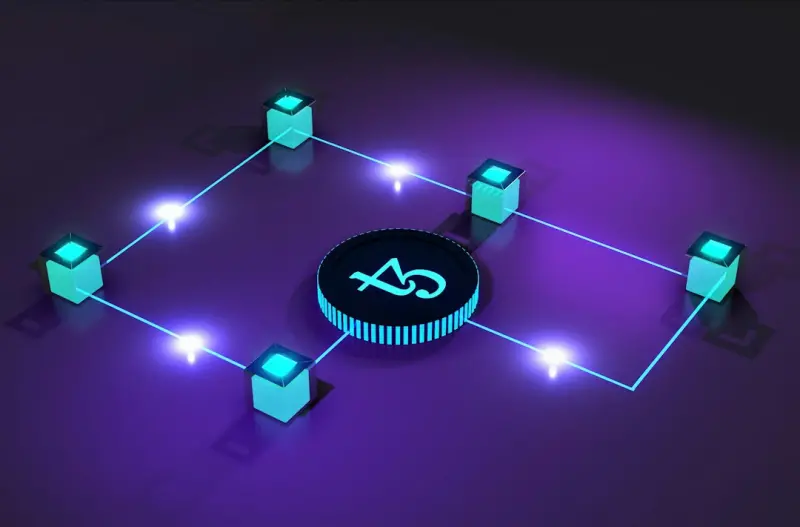
Opening the Door to a Self‑Sovereign Web
When I first heard the phrase “decentralized identity,” I imagined a futuristic badge that glows whenever you log into a system. The reality is far more subtle—and far more powerful. In the last few years, the internet has quietly shifted from a monolithic, server‑centric architecture toward a mesh of trust‑anchors owned by users themselves. For enterprises that have long been shackled to third‑party identity providers, this evolution isn’t just a tech curiosity; it’s a strategic lever that can reshape risk, compliance, and customer experience.
Why Identity Matters More Than Ever
We’ve all seen the headlines about data breaches, credential stuffing, and the endless parade of “password‑only” attacks. Yet, the root cause is the same: we place our most sensitive attribute—our digital identity—in the hands of a handful of centralized services. Those services become single points of failure, and every breach erodes trust not just in a brand but in the entire internet ecosystem.
Enter decentralized identity, sometimes called self‑sovereign identity (SSI). Instead of a central authority issuing and storing credentials, users hold cryptographic proofs on their devices, verified on a distributed ledger or a web of trust. The result? A model where the user controls the data, the enterprise verifies it, and no one else can arbitrarily revoke or copy it.
Core Building Blocks: DID, Verifiable Credentials, and the Wallet
- Decentralized Identifier (DID): A globally unique string that points to a document describing how to authenticate the owner. Think of it as a passport number that lives on a blockchain instead of a government database.
- Verifiable Credential (VC): A tamper‑evident digital claim—such as “Employee of Acme Corp” or “Certified Cloud Architect”—signed by an issuer and presented to a verifier.
- Digital Wallet: The software (or hardware) that stores DIDs and VCs on behalf of the user. Modern wallets can be as simple as a mobile app or as robust as a secure enclave in a corporate laptop.
These three components create a reusable, privacy‑preserving handshake that can replace traditional OAuth flows, SSO portals, and even complex federation agreements.
Enterprise Benefits That Go Beyond Security
While security is the headline act, the backstage benefits are equally compelling:
- Regulatory Grace: Regulations like GDPR, CCPA, and upcoming data‑ownership statutes reward organizations that minimize data collection. With SSI, you only verify attributes without storing the raw data, dramatically reducing compliance overhead.
- Reduced Vendor Lock‑In: By decoupling identity from any single provider, you avoid costly migrations and can negotiate better SLAs with identity platforms.
- Seamless Cross‑Domain Experiences: A user can present the same credential across partner ecosystems—think a supply‑chain consortium or a B2B marketplace—without re‑authenticating each time.
- Enhanced Customer Loyalty: Giving customers control over their own data signals respect and transparency, building brand equity in an increasingly privacy‑aware market.
Real‑World Use Cases You Might Not Expect
Decentralized identity is not just for fintech or government services. Here are a few surprising scenarios where enterprises are already experimenting:
1. Remote Workforce Onboarding
Onboarding a distributed team traditionally involves a flurry of emails, HR paperwork, and IT tickets. With SSI, a new hire receives a digitally signed employment credential from HR, stores it in their wallet, and instantly proves their employee status to every internal SaaS tool—no manual user provisioning required.
2. B2B Partner Trust Networks
Imagine a consortium of logistics firms that need to verify each other's compliance certifications without exposing trade secrets. Verifiable credentials allow each member to present a “ISO‑9001 Certified” badge that is cryptographically verifiable yet reveals no additional data.
3. Secure IoT Device Provisioning
Each IoT sensor can be issued a DID and a credential attesting to its firmware version and manufacturer. When the device connects to an edge gateway, the gateway validates the credential, ensuring only trusted hardware can participate in the data pipeline.
Integrating Decentralized Identity with Existing SaaS Stacks
Many enterprises worry that adopting SSI will require a complete rebuild of their authentication layers. The truth is that most modern SaaS platforms already expose flexible identity APIs (OAuth, OpenID Connect, SAML) that can be wrapped by SSI adapters. Here’s a practical migration path:
- Step 1: Pilot a Credential Issuer. Choose an open‑source DID method (e.g., did:web or did:ion) and set up an issuer service that can sign VCs for a single use case—perhaps employee badge verification.
- Step 2: Deploy a Wallet Integration. Offer a web‑based wallet or partner with a trusted wallet provider. Encourage early adopters (internal power users) to test the flow.
- Step 3: Bridge to Existing IdP. Use a gateway that translates a presented VC into a standard JWT that downstream SaaS applications understand. This keeps your existing SSO investments intact.
- Step 4: Expand Credential Types. Once the pipeline is stable, issue additional VCs—customer loyalty tiers, compliance attestations, or even event tickets.
This incremental approach reduces risk while delivering quick wins. It also allows you to leverage internal expertise in sustainable web hosting by hosting your SSI infrastructure on green‑powered servers, aligning your identity strategy with broader ESG goals.
Challenges and How to Tackle Them
No technology is without friction. Here are the most common hurdles and practical mitigations:
- Usability: Users may find wallet management daunting. Solution: embed the wallet directly into your corporate portal and provide clear onboarding tutorials.
- Interoperability: Not all DID methods are created equal. Choose widely supported standards (W3C DID Core, VC Data Model) and stay engaged with the Decentralized Identity Foundation community.
- Scalability: Public blockchains can be costly for high‑volume verification. Consider permissioned ledgers or off‑chain anchoring techniques that batch proofs.
- Legal Recognition: Some jurisdictions still lack legal frameworks for digital credentials. Work with legal counsel to ensure your VCs meet local e‑signature standards.
Future Outlook: From Identity to Data‑Sharing Economies
The next wave will likely blur the line between identity and data ownership. Imagine a scenario where a retailer requests proof that a shopper is over 21 without ever seeing the actual birthdate, and the shopper’s wallet decides what data to disclose. This “selective disclosure” paradigm could give rise to data‑sharing economies where users monetize their verified attributes directly.
In that future, enterprises will shift from “collecting data” to “verifying data,” dramatically reducing storage costs and privacy risk. It also opens the door for conversational AI agents that can request and receive verified credentials on‑the‑fly, creating frictionless, trustworthy interactions.
Getting Started Today
If you’re intrigued but unsure where to begin, here’s a quick checklist:
- Identify a high‑impact use case (e.g., employee badge, partner certification).
- Form a cross‑functional team: security, compliance, product, and UX.
- Select a DID method and VC framework that align with your compliance needs.
- Run a sandbox pilot with a small user group.
- Measure outcomes: time saved on provisioning, reduction in support tickets, compliance audit results.
- Iterate and expand—remember that SSI is a layer, not a destination.
Decentralized identity is still early in its enterprise adoption curve, but the fundamentals are solid: cryptographic proof, user control, and interoperability. As the internet matures into a network of trusted agents rather than a monolith of data silos, the companies that invest now will reap the benefits of reduced risk, higher agility, and stronger customer relationships.
Conclusion: A New Trust Fabric for the Modern Internet
In many ways, we’re witnessing the internet reinvent itself—not through faster speeds or richer media, but through a more humane approach to trust. By giving individuals agency over their digital selves, we empower businesses to build services that are secure by design and respectful by default. The journey will involve technical experimentation, cultural shifts, and strategic foresight, but the payoff—a resilient, privacy‑first web—makes it a frontier worth exploring.

Armed with a degree in English Literature, Jill’s journey into the digital space wasn't just a career move; it was a natural extension of her lifelong love affair with storytelling. While some writers view search engine optimization (SEO) as a rigid constraint, Jill sees it as a creative puzzle. She understands the delicate art of balancing the algorithmic demands of search engines with the human desire for resonance, emotion, and value. To Jill, keywords aren't just targets to hit; they are the breadcrumbs that lead eager readers straight to the answers they’ve been searching for.
Related Posts

The Quiet Backbone: How the Internet’s Hidden Systems Shape Business Success
A deep dive into the internet’s unseen layers—DNS, CDNs, routing, data sovereignty, and decentra... Read More

The Internet’s Next Frontier: From AI Conversations to Authentic Connections
Miranda Murphy dives into the evolving internet, covering AI chat, privacy, edge tech, and genuine c... Read More
When Your Browser Becomes a Mini‑Data Center: The Edge‑First Internet
The internet is shifting from a distant cloud to an edge‑first ecosystem, with browsers now runnin... Read More
Top Posts

5 Powerful Tips for SEO on a Budget
Search engine optimization (SEO) is an essential part of any digital marketing strategy. However, many small businesses and startups often find it challenging t...Read More

The Silent Ring Deception: How Visa Transaction Voicemail Scams are Designed to Trick You
In today's world of sophisticated scams, even the absence of a ringing phone can be a warning sign. A prevalent and increasingly convincing tactic employed by f...Read More

Lighting the Way: Adaptive Light Zones for a Smarter Home
Adaptive lighting zones turn ordinary rooms into responsive spaces, enhancing mood, productivity, and energy efficiency. This guide walks you through planning, ...Read More

A Concise Guide to Returning to Education as a Mature Student
Returning to education as a mature student is not merely about acquiring a piece of paper; it’s about embarking on a journey of self-discovery, re-invention, ...Read More
0 Comments
Post Comment
You will need to Login or Register to comment on this post!