
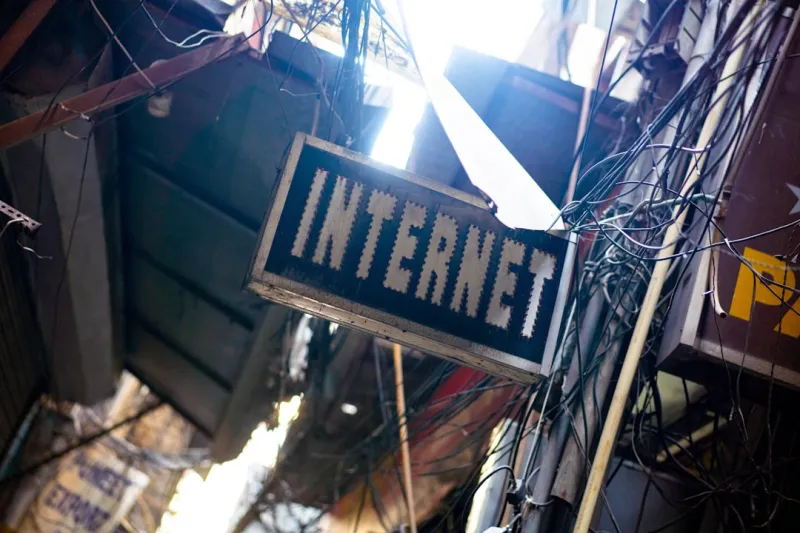
Why the Internet Still Feels Like the Wild West
Every morning I open my laptop and the digital horizon looks both familiar and untamed, a reminder that the internet’s frontier spirit is alive despite a decade of regulation attempts, algorithmic wizards, and endless data streams that promise convenience while quietly reshaping our habits.
From the rise of AI‑generated memes to the surge of niche communities forming around shared passions, the web continues to evolve at breakneck speed, leaving even seasoned netizens scrambling to keep up with the latest platform updates, privacy policy rewrites, and the ever‑looming threat of misinformation that can spread faster than any wildfire.
What keeps me hooked is the paradox of boundless creativity colliding with the harsh reality of digital fatigue, a tug‑of‑war that forces us to ask: are we mastering the tools, or are the tools mastering us, nudging us toward a future where authenticity feels like a rebellious act?
The Rise of AI‑Powered Conversation
When I first experimented with conversational AI for my weekly newsletter, I was stunned by how quickly the technology could draft a compelling story, but I also felt a pang of responsibility, knowing that every line generated carries the imprint of the data it was trained on, a mosaic of human bias and cultural nuance.
Today, AI assistants sit in the background of countless browsers, quietly suggesting search terms, auto‑completing sentences, and even curating entire feeds, which makes me wonder how much of our online identity is truly ours and how much is algorithmically engineered by unseen hands.
In my recent deep‑dive, I linked my experience to ChatGPT Unleashed: My Journey from Curiosity to Everyday Co‑Writer, a story that illustrates both the promise and the pitfalls of inviting a machine into the creative process, reminding us that the future of content is a partnership, not a takeover.
Community Over Clicks: Re‑imagining Networking
While the metric‑obsessed culture of likes and shares still dominates headlines, I’ve found that genuine connections are resurfacing through intimate virtual meetups, small‑scale Discord servers, and purpose‑driven webinars that prioritize real conversation over superficial reach.
My own approach to building a network shifted dramatically after I authored Networking in 2024: Miranda Murphy’s Playbook for Real‑World Connections, where I emphasized the importance of listening first, offering value without expectation, and leveraging the internet’s speed to sustain long‑term relationships rather than chasing fleeting virality.
These strategies have helped me turn strangers on a forum into collaborators on a podcast, proving that the internet can still be a garden of fertile relationships if we water it with authenticity, patience, and a willingness to step out from behind the screen.
Privacy, Data, and the New Consumer Consciousness
Recent headlines about data breaches and invasive tracking have sparked a wave of consumer activism, with users demanding clearer consent forms, stronger encryption, and the right to be forgotten—a movement that feels like a digital renaissance of the civil rights era, only this time the battlefields are firewalls and privacy policies.
Companies are now scrambling to embed privacy‑by‑design into their products, a shift that has forced developers to rethink everything from cookie banners to backend architecture, and it’s a trend I’m tracking closely as it reshapes how we interact with every online service, from social platforms to e‑commerce sites.
What’s fascinating is the emergence of “privacy‑first” brands that market themselves on transparency, turning what was once a technical compliance requirement into a competitive advantage, and this evolution signals that the internet may finally be moving toward a more ethical equilibrium.
From Shared Hosting to Edge Computing: The Infrastructure Revolution
On the technical side, the conversation is shifting from the age‑old debate of shared versus dedicated hosting to a more nuanced discussion about edge computing, serverless architectures, and how these innovations can reduce latency while supporting a greener, more sustainable web.
While many still cling to the comfort of traditional shared hosting, I’ve noticed a growing curiosity about how edge networks can bring content closer to users, cutting down on carbon footprints and delivering lightning‑fast experiences even in bandwidth‑constrained regions.
This infrastructural evolution is not just a backend concern; it directly impacts user experience, SEO rankings, and the overall health of the internet ecosystem, reminding us that the foundations we build today will dictate the digital landscape of tomorrow.
Social Media Fatigue and the Quest for Digital Minimalism
It’s impossible to ignore the collective sigh that ripples through feeds when a new platform promises “no ads, no algorithms,” only to deliver the same endless scroll that has left many of us feeling burnt out and disconnected from the offline world.
In response, a quiet yet powerful movement toward digital minimalism is gaining traction, with users curating their online presence, setting strict screen‑time limits, and even adopting “social media sabbaticals” to reclaim mental clarity and focus.
This trend is reshaping how brands approach engagement, pushing them to create richer, more meaningful content that respects the audience’s time and attention, rather than relying on endless notifications and clickbait headlines.
The Future of Content Creation: Human‑AI Collaboration
As AI tools become more sophisticated, the line between human‑crafted and machine‑generated content blurs, prompting creators like me to ask: what is the unique value we bring that a model cannot replicate?
My answer lies in storytelling rooted in lived experience, cultural context, and emotional nuance—elements that algorithms can mimic but rarely master without the guiding hand of a human narrator who understands the subtlety of tone, irony, and vulnerability.
By embracing AI as a collaborative partner rather than a replacement, we can amplify our voices, streamline research, and focus on the aspects of creation that truly require a human touch, turning the internet into a richer tapestry of shared knowledge.
Conclusion: Navigating the Ever‑Changing Digital Landscape
Standing at the crossroads of rapid technological advancement and a growing desire for authenticity, we, as internet users and creators, have a unique opportunity to shape the next chapter of online life, balancing innovation with mindfulness.
Whether we’re championing privacy, exploring edge infrastructure, or redefining community through genuine connections, the choices we make today will echo across the digital frontier for years to come, reminding us that the internet’s true power lies in the collective intent of its participants.
So let’s continue to experiment, question, and connect—because the wild west of the web is still being written, and each of us holds a pen, a pixel, and a voice that can influence its destiny.

Miranda Murphy: Experienced freelance writer with a decade of storytelling expertise. Let's create something amazing together!
Related Posts

Are Free VPNs Worth It? Top Advantages You Need to Know
The use of Virtual Private Networks (VPNs) has skyrocketed in recent years due to the growing concer... Read More

Why the Decentralized Web Is Quietly Rewriting the Rules of the Internet
The internet is shifting from centralized data farms to a peer‑to‑peer backbone. Discover why Sa... Read More

Self‑Sovereign Identity: The Trust Layer Redefining the Modern Internet
Self‑sovereign identity (SSI) is emerging as a transformative trust layer for the Internet, giving... Read More
Top Posts

Developer Experience: The SaaS Game Changer
A deep dive into why investing in developer experience—clear docs, self‑service onboarding, and robust tooling—can become a SaaS company’s most powerful...Read More

Bio‑Enzyme Cleaning: Turning Waste into Workplace Freshness
Explore the power of bio‑enzyme cleaners—a natural, cost‑effective solution that transforms waste into fresh, eco‑friendly office environments while del...Read More
Self‑Sovereign Identity: The Trust Layer Redefining the Modern Internet
Self‑sovereign identity (SSI) is emerging as a transformative trust layer for the Internet, giving users control over their digital credentials and enabling S...Read More

Designing Your Daily Atmosphere: The Power of Scent, Light & Sound
Learn to shape your day by curating scents, lighting, and sound. Simple sensory tweaks create a personalized atmosphere that boosts mood, focus, and well‑bein...Read More
0 Comments
Post Comment
You will need to Login or Register to comment on this post!