

Why Bing Still Matters in a Google‑Dominated World
When most marketers hear “SEO,” their minds instantly sprint to Google’s endless algorithm updates, SERP features, and the latest AI‑driven ranking signals. I get it—I’ve spent years chasing Google’s whims, only to watch the search landscape shift under my feet. Yet, ignoring Bing is a strategic blind spot. Bing powers Microsoft’s ecosystem, from Windows Search to the Edge browser and even the new AI‑infused Copilot. In enterprise environments where Microsoft 365 dominates, Bing is often the default search engine for millions of decision‑makers. If your B2B SaaS product isn’t visible there, you’re leaving a sizable, high‑intent audience on the table.
Understanding Bing’s Ranking Signals: A Fresh Lens
Bing’s ranking algorithm shares many fundamentals with Google—relevant content, quality backlinks, and solid site health. However, it also weighs a few signals differently, creating a niche opportunity for savvy marketers. Here’s a quick cheat sheet:
- Social Signals: Bing places more emphasis on social engagement, especially from platforms like LinkedIn and Twitter. A well‑crafted post that garners likes, shares, and comments can give you an extra edge.
- Domain Age & Authority: While Google also values authority, Bing is more forgiving to newer domains that demonstrate consistent content quality over time.
- On‑Page Keywords: Bing tolerates exact‑match keywords a bit more than Google’s LSI‑centric approach. This doesn’t mean keyword stuffing, but strategic placement can still matter.
- Multimedia Content: Properly tagged images, videos, and even podcasts are weighted heavily in Bing’s results, especially when they align with user intent.
- Technical Performance: Core Web Vitals are important, but Bing also looks at server response times and crawl efficiency with a slightly different threshold.
Content Optimization for Bing: Speak Its Language
My favorite part of SEO is the storytelling aspect—crafting content that both humans and crawlers love. For Bing, I lean into a few tactical tweaks:
- Header Hierarchy: Use clear, concise
<h2>and<h3>tags that reflect the natural flow of the article. Bing’s parser rewards logical structure more than Google’s often‑over‑engineered semantic analysis. - Keyword Placement: Include the primary keyword within the first 100 words, in at least one sub‑heading, and naturally throughout the copy. This mirrors Bing’s preference for clear intent signals.
- Rich Media Descriptions: Every image should have an
altattribute that describes the visual content, not just repeats the keyword. For videos, add a transcript and a concisetitletag. - Answer‑Based Content: Bing’s “Quick Answer” boxes favor concise, direct answers. Format FAQs with
<dl>(definition list) tags to increase the likelihood of being featured. - Local Signals: Even if you’re a SaaS company, Bing still looks at location data. Include your headquarters city and state in the footer and schema markup to reinforce credibility.
Technical Tweaks That Bing Loves
While Google’s Core Web Vitals dominate headlines, Bing’s technical checklist has a few distinct items worth attention:
- Sitemap Submission: Bing’s Webmaster Tools (BWT) still relies heavily on manually submitted XML sitemaps. Ensure you’ve uploaded a fresh sitemap after major content pushes.
- Robots.txt Precision: Bing interprets
Disallowrules more strictly. Double‑check that you’re not unintentionally blocking high‑value pages. - Structured Data: Use JSON‑LD for BreadcrumbList, FAQ, and Product schema. Bing’s rich result parser is more forgiving but still benefits from clean markup.
- HTTPS Consistency: Mixed content warnings can cause Bing to downgrade a page’s ranking. Verify that all assets load over HTTPS.
- Server Response Headers: Bing rewards fast
Cache‑ControlandETagheaders. Optimize your CDN configuration to reduce latency for Bing’s crawlers.
Bing’s Unique Link Landscape: Quality Over Quantity
Backlinks remain a cornerstone of SEO, but Bing’s algorithm evaluates them through a slightly different prism. Rather than the sheer volume of links, Bing looks for:
- Domain Relevance: Links from sites that share a topical niche carry more weight.
- Anchor Text Diversity: While exact‑match anchors are acceptable, a natural mix of branded, generic, and long‑tail anchors signals authenticity.
- Social Endorsements: Links that are also shared widely on social platforms receive a credibility boost.
That’s why I treat link building as a relationship engine. I focus on creating genuine partnerships—guest posts, co‑hosted webinars, or joint research studies—that yield high‑quality, contextually relevant backlinks. Not only does this align with Bing’s preferences, it also builds brand equity that lasts beyond any algorithm update.
Leveraging Bing’s Webmaster Tools (BWT)
If you’ve ever spent hours in Google Search Console, you know the power of a dedicated dashboard. BWT offers a comparable, yet under‑utilized, suite of features:
- Site Scan: Run a full crawl to uncover indexing issues, broken links, and duplicate content that Bing may have missed.
- Keyword Research: The “Keyword Research” tool surfaces search volume and competition data specific to Bing’s user base—great for refining your keyword list.
- SEO Reports: Generate a comprehensive health report that highlights missing meta tags, low‑text-to‑HTML ratios, and other technical gaps.
- Backlink Insights: View a snapshot of your top referring domains as recognized by Bing, helping you prioritize outreach.
- Fetch as Bingbot: Test how Bing sees a page before it’s indexed, allowing you to troubleshoot rendering issues in real time.
Take the time to set up alerts for “Crawl Errors” and “Security Issues.” A quick fix today can prevent a ranking dip tomorrow.
Measuring Success on Bing: Metrics That Matter
Analytics for Bing can be a bit of a wild west, but with the right setup you’ll get clear, actionable insights. Here’s my go‑to measurement stack:
- Bing Webmaster Tools Dashboard: Baseline impressions, clicks, and average position.
- UTM‑Tagged Campaigns: Use
utm_source=bingto isolate traffic in your analytics platform. - Conversion Funnels: Track lead form completions, demo requests, or trial sign‑ups that originated from Bing traffic.
- Engagement Signals: Monitor bounce rate, average session duration, and pages per session for Bing‑derived visitors—these can hint at content relevance.
- Keyword Ranking Tools: Tools like SEMrush or Ahrefs now include Bing data; set up weekly reports to spot upward trends.
When you see a steady climb in Bing’s impression share, correlate it with your backlink acquisition efforts or new content pieces. That feedback loop will inform your next optimization sprint.
Future‑Proofing Your Bing Strategy
Search is evolving, and Bing is no exception. The integration of AI‑driven features such as the Chat experience and the new “Visual Search” capabilities means that your optimization tactics must be adaptable. Here’s how to stay ahead:
- AI‑Friendly Content: Write clear, concise answers that AI can pull from. Structured data becomes even more critical.
- Voice Search Optimization: Craft content around natural language queries—think “how to integrate SaaS analytics with Microsoft Teams.”
- Visual Assets: Optimize image file names, include descriptive
alttext, and use the newImageObjectschema to increase visibility in Bing’s visual search. - Continuous Learning: Subscribe to the Bing Webmaster Blog and follow the Bing SEO community on LinkedIn. The platform’s updates tend to roll out slower than Google’s, but they’re often more impactful for early adopters.
Putting It All Together: A Sample 30‑Day Action Plan
To make the theory concrete, I’ve distilled my experience into a pragmatic, 30‑day sprint you can follow:
- Day 1‑3: Audit your existing content for Bing‑specific on‑page factors. Update headings, meta descriptions, and add relevant
altattributes. - Day 4‑7: Submit an updated XML sitemap to BWT and run a “Site Scan” to catch crawling errors.
- Day 8‑12: Identify three industry‑relevant sites for outreach. Pitch collaborative content that naturally includes a backlink and a social share component.
- Day 13‑15: Publish a new, answer‑focused blog post that targets a high‑intent Bing query. Use
<dl>for FAQs and embed a short explainer video. - Day 16‑20: Optimize existing images with descriptive filenames and
ImageObjectschema. Test each with the “Fetch as Bingbot” tool. - Day 21‑25: Set up UTM parameters for Bing traffic and create a dedicated dashboard in your analytics platform to monitor key metrics.
- Day 26‑30: Review the BWT “Keyword Research” report, add any emerging terms to your content calendar, and schedule a quick team sync to iterate based on early data.
This focused effort not only boosts your Bing visibility but also strengthens your overall SEO foundation—something every SaaS marketer can appreciate.
Final Thoughts: Embrace Bing as a Growth Engine, Not a Side Project
In my years of navigating the SEO labyrinth, I’ve learned that the biggest wins often come from the avenues others overlook. Bing may not command the same market share as Google, but its integration with Microsoft’s enterprise suite gives it a high‑value, high‑intent audience that aligns perfectly with B2B SaaS goals. By tailoring your content, technical setup, and link strategy to Bing’s unique signals, you turn a “second‑tier” search engine into a potent acquisition channel.
So, the next time you draft your quarterly SEO roadmap, carve out dedicated time for Bing. Treat it as an expansion frontier, not a afterthought. Your competitors will thank you—well, actually, you’ll thank your competitors for leaving the space open, and you’ll reap the rewards of a smarter, more diversified search presence.

Karen Edwards is a seasoned freelance writer with a passion for all things furry, feathered, and scaled. With a dedicated focus on pets, she brings a wealth of knowledge and a keen eye for detail to her writing.
Related Posts
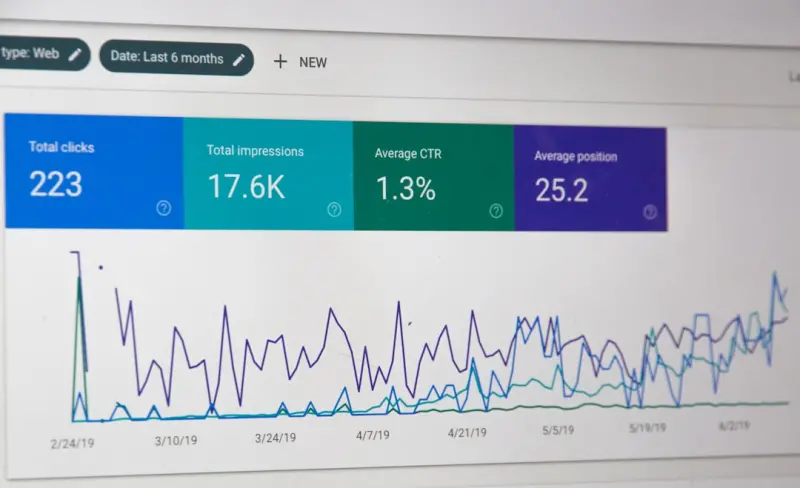
Bing SEO Playbook for B2B SaaS Leaders
A deep dive into Bing’s unique ranking signals, structured data, visual search, and Edge‑first p... Read More
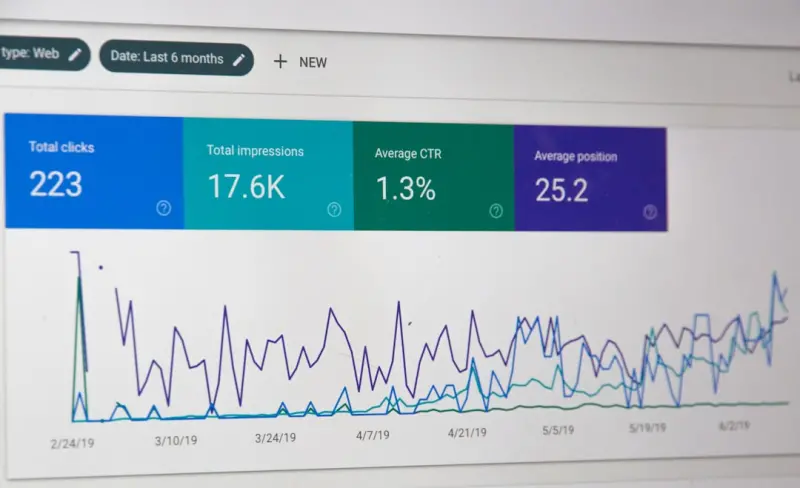
Bing SEO Secrets: How SaaS Companies Can Capture Untapped Enterprise Traffic
A deep dive into Bing’s unique ranking factors—enterprise intent, LinkedIn data, and AI semantic... Read More

Why Bing Is the Quiet Powerhouse Marketers Can’t Afford to Ignore
Bing’s market share, AI-driven results, and deep ties to Microsoft’s ecosystem make it a hidden ... Read More
Top Posts

The Unexpected Power of Acoustic Design in Modern Home Decor
Discover why acoustic design is the new frontier of home decor, turning sound management into a visual statement that enhances comfort, style, and sustainabilit...Read More

Scent, Sound, and Skin: The New Triad of Personal Care
Discover how combining scents, soothing sounds, and tactile textures can transform daily grooming into a holistic personal care experience that nurtures both sk...Read More
Rethinking Web Hosting for SaaS Success
Web hosting is now a strategic differentiator for SaaS firms. This post explains edge‑first architectures, zero‑trust security, and sustainable hosting, off...Read More

How Family Storytelling Turns Everyday Moments Into Lifelong Skills
Learn how to weave short, meaningful stories into daily routines, turning chores and trips into powerful teaching moments that strengthen confidence, empathy, a...Read More
0 Comments
Post Comment
You will need to Login or Register to comment on this post!