
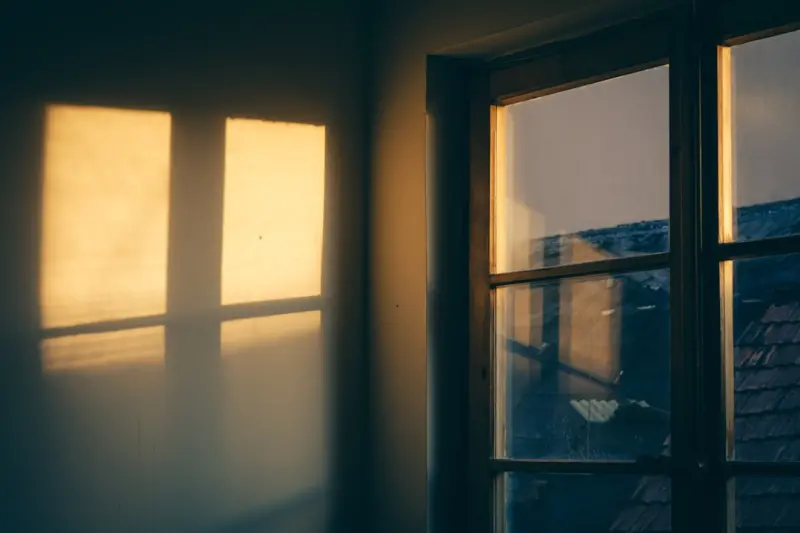
Why Sunlight Is the Unsung Hero of Everyday Wellness
When we talk about lifestyle upgrades, the conversation often spirals into the latest gadget, the next‑gen diet, or a productivity app that promises to double our output. Yet, one of the most potent, cost‑free upgrades lives right above our heads: natural daylight. I’ve spent the last decade juggling remote work, marathon training, and a bustling household, and the lesson that keeps resurfacing is simple—our bodies and minds are wired to thrive under the sun’s rhythm. Ignoring that cue can leave us running on a low‑energy battery, feeling foggy, and perpetually out of sync.
The Science of Light: More Than Just Vitamin D
Sunlight does far more than fuel a chemical reaction for bone health. When photons strike the retina, they trigger a cascade that resets our internal clock, known as the circadian rhythm. This rhythm governs sleep, hormone release, body temperature, and even the timing of our alertness spikes. Disrupting it—by staying indoors under artificial light for prolonged periods—can lead to hormonal imbalances, elevated stress hormones like cortisol, and a weakened immune response.
Research also shows that exposure to bright morning light boosts serotonin, the neurotransmitter linked to mood regulation. Higher serotonin levels translate to better mood, sharper focus, and a more resilient response to daily stressors. In short, daylight is a natural, all‑in‑one supplement that fuels mental clarity, emotional balance, and physical vitality.
Morning Light: Your First Power‑Up of the Day
Most of us hit the snooze button, scroll through emails, and only later step outside for a cup of coffee. If you’re like me, the first 30 minutes of daylight can feel like a missed opportunity. Here’s a quick routine to reclaim that golden window:
- Wake with the Sun. If possible, arrange your bedroom so that sunrise streams in. If natural light isn’t an option, invest in a light therapy lamp that mimics 10,000 lux of daylight for 20‑30 minutes.
- Step Outside. Even a brisk 10‑minute walk in your backyard, a nearby park, or a balcony can trigger the retina‑to‑brain signal that tells your body, “It’s time to be awake.”
- Hydrate and Stretch. Pair the light exposure with a glass of water and a short stretching sequence to kick‑start circulation and metabolism.
These three steps create a cascade: the light cues your suprachiasmatic nucleus (the brain’s master clock), the hydration supports cellular function, and movement signals the release of endorphins. The result? A smoother transition from sleep to wakefulness, reduced grogginess, and a more stable energy curve throughout the day.
Midday Sun: The Productivity Booster You’re Overlooking
Many productivity hacks focus on “deep work” blocks, caffeine timing, or ambient noise playlists. While those are valid, the midday sun can be the missing piece in your performance puzzle. Studies from chronobiology labs indicate that a 15‑minute exposure to natural light between 11 am and 2 pm can sharpen cognitive function, improve reaction time, and even enhance creative thinking.
Here’s how to harness it without compromising your schedule:
- Sunlit Breaks. Instead of scrolling through social media, take a “sun break.” Walk to a window, sit near a glass door, or step onto a balcony. Let the light wash over you while you sip water or practice a mindfulness breath.
- Desk Positioning. If your office—or home office—has a window, position your monitor at a 90‑degree angle to it. This reduces glare while still allowing you to soak up indirect daylight.
- Outdoor Lunch. Whenever weather permits, eat outside. The combination of natural light, fresh air, and a change of scenery can reset mental fatigue and improve post‑lunch alertness.
Evening Light: The Gentle Wind‑Down
Just as morning light signals “rise,” evening light signals “rest.” However, modern life floods us with artificial blue light from screens, which can trick the brain into thinking it’s still daytime. The consequence? Delayed melatonin release, difficulty falling asleep, and fragmented REM cycles.
To protect your night-time rhythm:
- Dim the Lights. About two hours before bedtime, lower the intensity of indoor lighting. Use warm, amber bulbs or smart lighting that gradually dims.
- Screen Curfew. Set a digital curfew. Switch devices to “night mode,” or use blue‑light‑filter glasses if you must work late.
- Evening Stroll. A short, leisurely walk after dinner—preferably under a sky that’s transitioning to dusk—helps signal to your body that it’s time to wind down.
These habits synchronize melatonin production, making it easier to fall asleep faster and enjoy deeper, more restorative sleep cycles.
Designing Your Space for Light
Beyond personal habits, the architecture of your home can amplify or diminish daylight’s benefits. If you’re renovating or just re‑arranging furniture, keep these principles in mind:
- Maximize Window Real Estate. Keep window treatments light and breathable. Sheer curtains or blinds that tilt upward let in diffuse light while preserving privacy.
- Use Reflective Surfaces. Light-colored walls, mirrors, and glossy finishes bounce sunlight deeper into rooms, extending its reach.
- Strategic Plant Placement. Certain houseplants, like snake plants and pothos, thrive in indirect light and can improve indoor air quality—another subtle way daylight supports health.
Sunlight and Skin: A Balanced Perspective
While I champion daylight, it’s crucial to respect skin health. Overexposure can lead to sunburn, premature aging, and an increased risk of skin cancer. The sweet spot is moderate, consistent exposure—think 10‑15 minutes on arms and face a few times a week, depending on skin tone and local UV index.
For those who want a data‑driven approach to skincare, consider the insights from Why Your Skincare Routine Needs a Data‑Driven Makeover. By tracking UV exposure, you can fine‑tune sunscreen application and avoid the pitfalls of both under‑ and over‑protecting your skin.
Screen Time, Daylight, and the Modern Family
Parents often wrestle with the paradox of technology: it’s essential for education and connection, yet it competes with natural light for our attention. If you’re navigating this balance, the concepts from Digital Minimalism for Parents can help you carve out “light‑first” zones—times of the day when screens are off and the family engages in outdoor activities, board games by a sunlit window, or simply a shared meal under natural illumination.
Seasonal Shifts: Adapting Your Light Strategy
Daylight hours fluctuate dramatically across seasons, especially if you live far from the equator. Winter brings shorter days and lower sun angles, while summer offers prolonged, intense exposure. Here’s how to adjust:
- Winter. Prioritize bright‑light therapy in the mornings. Keep indoor spaces well‑lit with full‑spectrum bulbs, and seek out midday sun during any clear windows.
- Summer. Embrace longer outdoor periods but protect against UV overload. Use hats, sunglasses, and broad‑spectrum sunscreen for prolonged exposure.
- Equinox Transitions. Use these natural turning points to reassess your light habits—perhaps adding a new outdoor habit like a sunrise yoga session or a sunset meditation.
Integrating Light into Your Wellness Toolkit
Think of daylight as a core component of a broader wellness system, alongside nutrition, movement, and sleep hygiene. When you start treating light as an intentional habit rather than an incidental backdrop, you’ll notice:
- Improved mood stability and reduced anxiety.
- Higher daytime alertness without relying on excessive caffeine.
- More consistent sleep patterns and quicker sleep onset.
- Enhanced metabolic health, as daylight influences hormone regulation involved in glucose processing.
These benefits compound over weeks and months, creating a virtuous cycle: better sleep fuels more energy to seek daylight, and more daylight fuels better sleep.
Practical Checklist: 10 Daily Light Hacks
- Open curtains as soon as you wake up.
- Take a 5‑minute “sun salute” walk outside before breakfast.
- Place your workstation near a window.
- Replace harsh white bulbs with warm, dimmable LEDs.
- Schedule a mid‑day “light break” of 10 minutes.
- Eat lunch outdoors or by a sunlit window.
- Swap evening screen time for a book under a soft lamp.
- Set a “no‑screen after 9 pm” rule.
- Use a light‑filtering screen protector on devices.
- End your day with a short walk as the sun sets.
Implementing even a few of these hacks can shift your daily rhythm toward a more harmonious, light‑infused flow.
Conclusion: Let the Sun Be Your Daily Coach
In a world saturated with data, algorithms, and endless notifications, the simplest lifestyle upgrade may be as elemental as stepping outside. Sunlight is an ancient, free, and scientifically proven ally that aligns our bodies, minds, and emotions with nature’s cadence. By deliberately weaving daylight into your morning, midday, and evening routines—and designing spaces that honor its presence—you’ll unlock a cascade of health benefits that no app can replicate.
So, the next time you’re tempted to binge‑watch another series or scroll endlessly, ask yourself: “What would a splash of sunshine do for me right now?” The answer, as research and personal experience both tell us, is likely a brighter mood, sharper focus, and a deeper sense of well‑being.

Tyler Johnson is a seasoned freelance writer with a keen eye for detail and a passion for crafting compelling narratives. His years of experience have honed his ability to adapt his style to suit diverse client needs and project requirements.
Related Posts

How to Turn Your Home into a Sensory Sanctuary
Learn practical steps to craft a sensory sanctuary at home, using aromas, soundscapes, lighting, and... Read More

Small Wins, Huge Impact: Building Everyday Momentum
A practical guide to harnessing micro‑habits for lasting lifestyle change, showing how small, cons... Read More

Designing a Personal Ritual Kitchen: Cooking as Creative Play
Discover how turning your kitchen into a personal ritual space can transform cooking into a mindful,... Read More
Top Posts

Billions of Login Credentials Leaked Online: Are Your Accounts at Risk?
A staggering number of login credentials, totaling 16 billion, have been exposed and compiled into publicly available datasets online, granting cybercriminals "...Read More

The Impact of Social Media on Professional Sports
Social media is revolutionizing professional sports, changing the way athletes build their brand, interact with fans, and engage with the media. Learn more abou...Read More

Should I add a Patio or Pergola?
The desire to extend living spaces outdoors is a fundamental aspect of modern home design, offering a seamless transition between indoor comfort and natural bea...Read More
Learning at the Speed of Change: Building Adaptive Communities for Modern Professionals
A fresh look at how adaptive learning communities, micro‑learning sprints, and secure edge‑enabled platforms can reshape professional education, fostering c...Read More
0 Comments
Post Comment
You will need to Login or Register to comment on this post!