

Why Learning Needs a New Architecture
When I first stepped into the world of corporate training, the biggest challenge wasn’t the content—it was the delivery model. Traditional lecture‑style modules felt more like a one‑way street, where information was dumped and hoped to stick. Over the past few years I’ve watched the same pattern repeat across industries, even as the tools we use have become more sophisticated. The result? Learners disengage, knowledge retention plummets, and the promise of “continuous development” remains just that—a promise.
The root of the problem is structural, not technological. We built our learning ecosystems on the same scaffolding that once served the industrial era: static curricula, rigid timelines, and top‑down authority. In a world that moves at the speed of a tweet, that scaffolding collapses under its own weight. What we need now is an architecture that mirrors the fluidity of the modern workplace—a design that lets knowledge evolve as quickly as the market does.
The Rise of Adaptive Learning Communities
Enter adaptive learning communities. Think of them as living organisms rather than static repositories. In these ecosystems, each participant is both a learner and a teacher, contributing insights, asking questions, and shaping the direction of the collective knowledge pool. The community adapts in real time, surfacing the most relevant resources based on what members are actually doing on the job.
What makes this model powerful is its reliance on peer‑driven relevance. Instead of waiting for an instructor to curate a module, the community surface‑tags emerging trends, flags outdated practices, and creates micro‑learning bursts that address immediate pain points. The result is a learning experience that feels less like a chore and more like a natural extension of daily work.
From my own experiments, I’ve seen teams cut the time it takes to master a new software rollout from weeks to days simply by leveraging a shared channel where developers post short video walk‑throughs, users ask quick “how‑to” questions, and a moderator surfaces the most viewed content. The community becomes the curriculum, and the curriculum becomes the community.
Micro‑Learning Meets Peer Coaching
Micro‑learning isn’t new, but its marriage with peer coaching creates a synergy that traditional e‑learning platforms struggle to replicate. A five‑minute tip from a teammate who just solved a tricky Excel macro can be far more valuable than a polished 30‑minute video produced by a training department. The key is to formalize that exchange without turning it into a bureaucratic process.
One approach I’ve championed is the “learning sprint”—a weekly 30‑minute session where a small group picks a real‑world challenge, shares quick wins, and documents the solution in a shared knowledge base. The sprint is short enough to fit into busy schedules, yet long enough to foster genuine collaboration. Over time, these sprints generate a repository of bite‑sized, high‑impact lessons that are instantly searchable.
The magic happens when you layer analytics on top of those sprints. You can see which topics are resurfacing, which formats (video, checklist, infographic) drive the most engagement, and who the informal mentors are. This data informs the next sprint’s focus, ensuring the learning loop remains tightly coupled with business priorities.
Technology as the Enabler, Not the Distractor
All of the community‑driven ideas above rely on a solid technical foundation, but the technology must stay invisible. Learners shouldn’t have to wrestle with a clunky LMS to get a 30‑second tip. That’s why I’ve advocated for a edge‑enabled cloud hosting approach for learning platforms. By pushing content delivery to the edge, you reduce latency, improve reliability, and free up bandwidth for richer media—without the need for heavy on‑premise infrastructure.
Edge computing also opens the door for localized compliance. When you have learners spread across different jurisdictions, data residency rules can become a nightmare. An edge‑first architecture lets you store and process data close to the user, satisfying legal requirements while keeping the experience seamless.
Beyond performance, the edge enables real‑time personalization. Imagine a learner in a sales office in Berlin receiving a case study that references a recent European regulation, while a colleague in Singapore sees content tailored to APAC market dynamics—all without manual curation. The platform adapts on the fly, delivering relevance at the moment of need.
Security and Trust in Digital Classrooms
When you shift learning from conference rooms to cloud‑based spaces, security becomes a non‑negotiable pillar. Learners need to trust that the platform protects their personal data, their company’s proprietary information, and the integrity of the knowledge they share. A breach in a learning environment can have ripple effects across product development, sales strategies, and even customer support.
That’s why I’m a strong proponent of robust API security. Modern learning platforms are essentially a constellation of micro‑services communicating via APIs. If one endpoint is compromised, the entire ecosystem is at risk. Implementing token‑based authentication, strict rate limiting, and continuous vulnerability scanning creates a layered defense that is both proactive and adaptable.
But security isn’t just about technology; it’s also about culture. Encourage learners to report suspicious activity, embed security awareness into onboarding, and regularly audit who has access to sensitive learning assets. When security is woven into the community’s DNA, it becomes a shared responsibility rather than a siloed IT concern.
Measuring Impact Without Over‑Engineering
Data can be a double‑edged sword. On one hand, analytics give us insight into what’s working; on the other, an overload of metrics can distract from the real goal: meaningful skill development. I’ve found that a narrative‑first approach to reporting helps keep the focus where it belongs.
Instead of obsessing over page views or click‑through rates, start with the learner’s story. Ask: What problem did they solve after the learning sprint? How did their performance metrics shift? Which peer interaction sparked the biggest breakthrough? By anchoring data to these narratives, you turn raw numbers into actionable insights.
For those who love a visual dashboard, consider using page layout techniques that prioritize storytelling. A well‑designed report page can guide the reader through a journey—starting with the learning objective, moving through engagement metrics, and ending with tangible business outcomes. This structure reduces noise and highlights the impact that truly matters.
Putting Humanity Back on the Curriculum
Technology, community, and data are powerful, but they’re only tools. The heart of any learning experience is the human element—curiosity, empathy, and the desire to grow. In my own workshops, I always begin with a simple question: “What’s the story you’re trying to write?” This prompts learners to frame their development in personal terms, which fuels intrinsic motivation.
To sustain that motivation, create safe spaces for failure. Encourage learners to share not just successes, but also the missteps that led to deeper understanding. When a data analyst posts a “failed” experiment that revealed a hidden bias, the whole community benefits from the lesson. Over time, a culture of transparent learning emerges, one where vulnerability is celebrated as a catalyst for innovation.
Finally, remember that learning is a lifelong journey. The most effective programs don’t end with a certification badge; they evolve into a habit. Offer “learning passports” that reward consistent micro‑learning, peer coaching, and community contributions. When the reward system aligns with the community’s values, the habit becomes self‑reinforcing.
Looking Ahead: A Blueprint for the Future
The future of professional education isn’t about replacing humans with AI; it’s about amplifying human potential with adaptive, secure, and community‑driven technology. By building learning ecosystems that are flexible, data‑informed, and rooted in trust, we empower individuals to stay ahead of rapid market shifts without feeling overwhelmed.
If you’re ready to start reshaping your organization’s learning model, begin with three small steps: (1) pilot a weekly learning sprint with a cross‑functional team, (2) evaluate your platform’s edge‑delivery and API security posture, and (3) redesign your impact reports to tell a story, not just a spreadsheet. The results will surprise you—engagement will rise, skill gaps will shrink, and your teams will feel more connected than ever.
Education is no longer a static department; it’s a living, breathing network that grows with every interaction. Embrace that network, and you’ll find that learning at the speed of change isn’t a myth—it’s a reality you can build today.

Armed with a degree in English Literature, Jill’s journey into the digital space wasn't just a career move; it was a natural extension of her lifelong love affair with storytelling. While some writers view search engine optimization (SEO) as a rigid constraint, Jill sees it as a creative puzzle. She understands the delicate art of balancing the algorithmic demands of search engines with the human desire for resonance, emotion, and value. To Jill, keywords aren't just targets to hit; they are the breadcrumbs that lead eager readers straight to the answers they’ve been searching for.
Related Posts

The Tangible Edge: Why Handwritten Learning Beats Digital Overload
A deep dive into why the physical act of writing, sketching, and sharing notebooks can dramatically ... Read More

Balancing Speed and Slow Living in Modern Education: A Teacher’s Journey
Explore a teacher’s perspective on merging fast-paced activities with thoughtful pauses, offering ... Read More

The Future of Education: Integrating Sustainable Living into the Classroom
Integrating sustainable living into education is crucial for creating a more sustainable future. Lea... Read More
Top Posts

The Future of Sports: How Technology and Sustainability Are Revolutionizing the Game
The sports industry is undergoing a significant transformation, driven by advances in technology and a growing awareness of environmental issues. Learn about th...Read More

The Pop‑Up Playbook: How Tiny Leagues Are Changing the Game
Pop‑up leagues turn vacant spaces into vibrant competition hubs, unlocking hidden talent, building loyal communities, and offering brands genuine connections ...Read More

The Complete Guide to Email Marketing: Strategies, Metrics, and Modern Best Practices
Email marketing remains a cornerstone of digital marketing, offering unparalleled reach, cost-effectiveness, and ROI. Despite the rise of social media and emerg...Read More
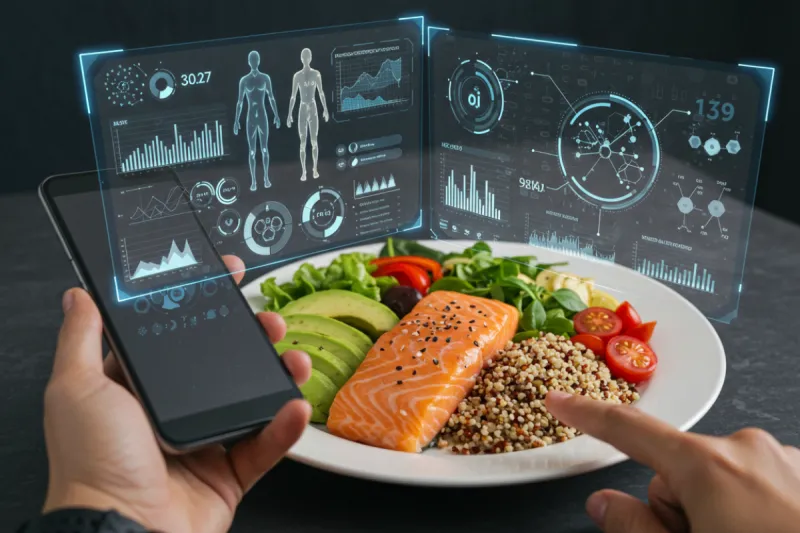
The Digital Pantry: How AI-Driven Nutrition Is Revolutionizing the Grocery Experience
For decades, the standard grocery shopping experience has been a sensory, albeit somewhat disorganized, endeavor. We navigate aisles under fluorescent lights, s...Read More
0 Comments
Post Comment
You will need to Login or Register to comment on this post!