
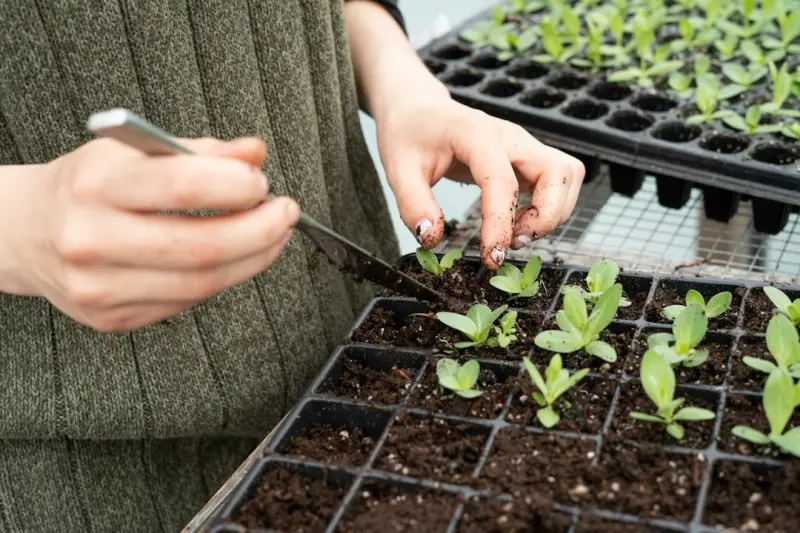
When I first moved into my city‑side apartment, the idea of “gardening” felt like a distant, almost mythical hobby—something reserved for sprawling backyards and suburban bliss. Yet the moment I stepped onto my tiny balcony, I realized the real garden lives wherever I choose to listen to the subtle cues of nature. This is the story of how I transformed a cramped concrete slab into a thriving, weather‑smart ecosystem by embracing the concept of a personal microclimate.
What Is a Microclimate, and Why Does It Matter?
At its core, a microclimate is the pocket of atmospheric conditions that exist in a very localized area—think of the shade under a balcony awning, the heat reflected off a brick wall, or the breezy draft that sneaks through a window crack. While regional climate charts give you the big picture, microclimates dictate the day‑to‑day reality for each plant in your garden.
Understanding these tiny climate nuances can be the difference between a wilted basil plant and a flourishing one. It also empowers you to make data‑driven decisions about plant placement, watering schedules, and soil amendments—much like a SaaS product manager uses Semantic Authority to fine‑tune content relevance.
Mapping Your Space: From Sunlight to Wind Patterns
Before you buy your first seed packet, take a systematic walk around your growing area. I like to use a simple notebook (or a digital note‑taking app) and record the following for each zone:
- Sunlight exposure: How many direct hours does the spot receive? Morning sun, afternoon blaze, or filtered light?
- Temperature fluctuations: Does the area heat up quickly after sunset? Is it cooler than the surrounding air?
- Wind intensity: Notice any gusts that could dry out leaves or knock over seedlings?
- Reflectivity: Light-colored walls can bounce extra heat, while dark surfaces absorb it.
Sketch a quick diagram on graph paper, shading each zone with a color code (red for hot, blue for cool, green for moderate). This visual map becomes your planting blueprint.
Choosing Plants That Speak Your Microclimate’s Language
Now that you have a climate map, it’s time to match plants to their ideal conditions. Here are some of my go‑to pairings:
- Sun‑baked corners: Succulents, rosemary, and lavender thrive in high‑heat zones.
- Cool, breezy nooks: Leafy greens like kale and Swiss chard love the gentle airflow.
- Partial shade: Herbs such as cilantro and parsley enjoy the filtered light.
- Moist, shaded areas: Ferns and mosses turn those damp spots into verdant carpets.
Don’t be afraid to experiment—microclimates are dynamic. A plant that struggles one month may thrive the next as your balcony’s exposure changes with the seasons.
Tech‑Assisted Gardening: Sensors, Apps, and Low‑Code Solutions
If you’re anything like me, a little bit of tech makes the whole process more enjoyable. A handful of inexpensive soil moisture sensors can feed real‑time data into a simple dashboard on your phone. For those who love to tinker, there’s even a low‑code approach to building custom alerts: set a threshold for moisture, and receive a push notification when the soil dries out.
These tools help you avoid the classic “over‑water or under‑water” dilemma and keep your plants in the sweet spot of hydration. Plus, you’ll develop an intuitive feel for how quickly your microclimate reacts to rain, watering, or the afternoon sun.
Seasonal Strategies: Riding the Weather Waves
Microclimates shift not only across your balcony but also through the year. Here’s how I adapt:
- Spring: Use row covers to protect tender seedlings from late frosts that can settle in low‑lying corners.
- Summer: Install a reflective tarp above the hottest zones to diffuse excess heat, and employ drip irrigation to conserve water.
- Autumn: Swap out heat‑loving herbs for cool‑season crops like arugula, and add a layer of mulch to retain soil warmth.
- Winter: Move potted plants to a sunny indoor ledge, or use insulated plant sleeves to buffer against freezing winds.
By aligning your planting schedule with the micro‑seasonal rhythm of your space, you’ll achieve a garden that feels alive year‑round.
Building Soil Health in a Confined Space
Good soil is the foundation of any thriving garden, no matter how small. I start with a high‑quality potting mix, then enhance it with organic amendments:
- Compost tea: A liquid brew that introduces beneficial microbes, improving nutrient uptake.
- Worm castings: Packed with nitrogen, phosphorus, and potassium, they act as a natural slow‑release fertilizer.
- Perlite or vermiculite: These aerating agents prevent compaction, a common issue in container gardening.
Rotate your soil every season—scrape out the old mix, refresh with new components, and you’ll avoid the build‑up of salts that can stunt growth.
Water Management: The Art of Conservation and Delivery
Water is the most precious resource on a balcony garden, especially in urban settings where water pressure can fluctuate. I follow a three‑step system:
- Capture: Place a rain barrel or a simple collection tray beneath your balcony’s drainage point to gather runoff.
- Store: Use a sealed, opaque container to keep the water cool and prevent algae growth.
- Distribute: Employ a drip irrigation line with a timer, ensuring each plant receives a measured, consistent flow.
This method reduces waste, cuts down your water bill, and gives your plants a steady supply of moisture—a win‑win for both the environment and your wallet.
Companion Planting in Small Spaces
Companion planting isn’t just for sprawling farms; it works wonders on balconies, too. Pair plants that mutually benefit each other to maximize limited space:
- Basil & tomatoes: Basil repels pests that target tomatoes, while the tomato’s shade protects basil’s roots.
- Marigolds & lettuce: Marigolds deter nematodes and aphids that love lettuce.
- Chamomile & strawberries: Chamomile improves soil health and encourages sweeter fruit.
These strategic pairings create a miniature ecosystem where each plant contributes to the overall health of the garden.
Harvesting with Purpose: From Kitchen to Table
There’s a unique satisfaction in plucking a fresh herb from your balcony just before a meal. To keep the cycle sustainable, I practice the “cut‑and‑come‑again” method: harvest only a third of the foliage at a time, allowing the plant to regenerate. This technique ensures a continuous supply without exhausting the plant’s energy reserves.
Additionally, I experiment with “edible landscaping”—using ornamental plants like nasturtiums for both visual appeal and culinary zest. Their peppery leaves add a punch to salads, while the blossoms brighten a dessert plate.
Community and Knowledge Sharing: The Digital Garden Club
Gardening, like SaaS, thrives on community feedback. I’ve joined several online forums where hobbyists share microclimate data, troubleshoot issues, and swap seeds. The collaborative spirit mirrors the open‑source ethos of modern tech, and the collective wisdom accelerates learning.
In fact, I recently contributed a detailed microclimate map of my balcony to a city‑wide “Urban Garden Exchange” platform. In return, I received a rare heirloom tomato seed—a win for both my garden and my network.
Final Thoughts: Embrace the Microclimate, Grow Your Confidence
When you start treating your balcony, patio, or even a sunny windowsill as a distinct climate zone, you unlock a realm of possibilities that larger, generic gardening guides often overlook. The process is part science, part art, and entirely personal. By mapping sunlight, temperature, and wind, selecting plants that match those conditions, and leveraging simple tech tools, you can cultivate a garden that not only survives but thrives amidst the urban hustle.
So, the next time you step onto your balcony, pause, breathe, and listen to the subtle whispers of heat, breeze, and moisture. Your microclimate is speaking—are you ready to answer with a flourishing garden?

Jimmy Anand is a content creator that gets inspired by many aspects of life, internet or whatever inspires him at that moment. When he's not online he's gaming and when he is not gaming he is online trolling discussion boards.
Related Posts

These Lawn-Mowing Mistakes Are Killing Your Grass
Are your efforts to get a perfect yard actually hurting your turf? Discover the most common lawn-mow... Read More
Cultivating Growth: Lessons From My Backyard Garden
A seasoned tech professional shares personal gardening insights, blending soil wisdom with smart too... Read More
Cultivating a Microbial Garden: Harnessing Soil Life for Thriving Plants
Learn how to nurture the hidden soil microbiome to boost plant growth, reduce chemicals, and create ... Read More
Top Posts

Beyond the Firewall: Building a Holistic Safety Net for Hybrid Teams
A three‑layer safety framework—physical ergonomics, digital operations, and psychological load—helps hybrid SaaS teams stay healthy, secure, and productiv...Read More

Step Into Style: Lauren Miller’s Fresh Take on Shoes, Fashion & Accessories
Lauren Miller shares her fresh perspective on 2024 shoe trends, blending bold style, sustainability, and tech innovations to help you curate a standout footwear...Read More

Your Car’s Next Upgrade: Predictive Maintenance as a Personal Health Coach
Predictive maintenance uses real‑time sensor data and AI to alert drivers of potential issues before they happen, offering cost savings, safety, and convenien...Read More

Turning Customer Success Data into Compelling Content Stories
Discover a step‑by‑step approach to turn SaaS success data into vivid stories, leveraging real customer journeys, multi‑channel formats, and internal advo...Read More
0 Comments
Post Comment
You will need to Login or Register to comment on this post!