
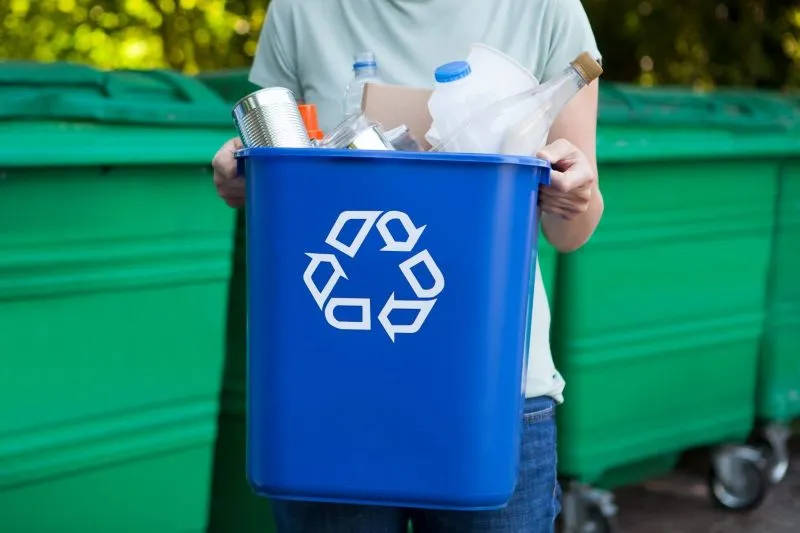
We have all been there, standing in the kitchen with a handful of clutter, trying to decide where an item belongs. You want to do the right thing for the environment, so you toss that plastic container or greasy pizza box into the Recycling Bin. It feels good to think you are helping the planet, but in reality, you might be contributing to a major issue known as wish-cycling. This is the practice of tossing items into the bin while hoping they are recyclable, even when you aren't entirely sure.
The truth is that our desire to be eco-friendly can sometimes backfire. When non-recyclable materials make their way into the sorting facility, they contaminate the entire batch. This can lead to entire loads of perfectly good paper and plastic being sent to the landfill instead of being repurposed. Understanding exactly what belongs in your bin is the first step toward becoming a more conscious consumer and a more effective steward of our natural resources.
Understanding the Contamination Problem
Contamination is the silent enemy of the waste management industry. Many people assume that if something is made of plastic or paper, it is automatically recyclable. Unfortunately, the reality of global recycling infrastructure is much more nuanced than that. Each municipality has different rules based on the technology they have available at their sorting centers.
When you place the wrong items in the bin, you increase the cost of processing and reduce the quality of the final materials. In many cases, a single contaminated bin can ruin the sorting capability of an entire truckload of recyclables. By learning to distinguish between what is valuable and what is simply trash, you help keep the system running efficiently and sustainably.
The Myth of "Wish-Cycling"
Wish-cycling happens when we place items in the bin in the hope that they will be recycled, despite having no evidence that they should be. This happens most often with plastics and composite materials. While your intentions are pure, the reality is that many items simply cannot be processed through standard machinery.
Instead of guessing, it is better to err on the side of caution. If you are unsure about an item, the best course of action is to dispose of it in your garbage rather than contaminating the recycling stream. When in doubt, leave it out is the golden rule of modern waste management.
Common Culprits You Should Stop Recycling
You might be surprised by how many household items are actually "recycling imposters." These are objects that appear to be recyclable but wreak havoc on sorting machines. Here are some of the most common items that you should keep out of your curbside bin.
1. Greasy Pizza Boxes
While cardboard is generally highly recyclable, a pizza box is a different story. Once the grease and cheese seep into the fibers of the paper, they cannot be removed during the repulping process. This oil contamination prevents the cardboard from being recycled effectively.
If the top of the box is clean, you can tear it off and recycle that portion. However, the bottom of the box that held the pizza should almost always go into the trash. It is a common mistake, but it is one that has a significant impact on the quality of recycled paper products.
2. Plastic Bags and Film
This is perhaps the biggest offender in the world of residential waste. Plastic grocery bags, bubble wrap, and cling film are notorious for tangling in the gears and sorting belts of recycling facilities. They bring the entire line to a screeching halt, requiring workers to manually cut them out of the machinery.
While these items are technically recyclable, they require a specialized process. Most grocery stores offer dedicated collection points for plastic film. Please collect your bags separately and drop them off at those designated bins instead of putting them in your curbside bin.
3. Broken Glass and Ceramics
Many people assume that because glass bottles are recyclable, all glass belongs in the bin. However, different types of glass have different melting points. Items like Pyrex, ceramic mugs, and broken window panes are chemically different from the glass used for jars and soda bottles.
When non-recyclable glass makes it into a glass recycling stream, it creates structural weaknesses in the new products created. Broken glass is also a major safety hazard for the workers who handle the materials. Please place these items in your regular waste container to ensure the safety of your local sanitation team.
The Hidden Dangers of "Tanglers"
Tanglers are items that are long, thin, and flexible. They are the nightmare of every recycling facility manager. Because of their shape, they have a tendency to wrap around the rotating discs and axles of the sorting equipment. This leads to costly repairs and significant downtime for the facility.
- Garden Hoses: These are made of a complex mix of materials and are never suitable for standard recycling.
- Christmas Lights: The wires and bulbs create a massive tangle that can destroy sorting screens.
- Extension Cords: Like hoses, these are not accepted and should be disposed of through e-waste programs.
- Clothing and Textiles: These can become snagged and damage delicate sorting sensors.
If you have items like these that are still in working condition, consider donating them. If they are broken, look for specific e-waste or textile recycling events in your community. These items deserve a second life, but they cannot be handled by the machinery that processes your soda cans and newspapers.
Plastic Numbers Are Not Always a Guarantee
We have all seen the little triangular "chasing arrows" symbol with a number inside on the bottom of plastic items. Many consumers believe this symbol is a universal sign of recyclability. In reality, it is simply a resin identification code that tells you what type of plastic the item is made from.
Just because an item has a number from one to seven does not mean your local facility can process it. For instance, many municipal programs only accept plastics numbered 1 and 2. Plastic items labeled 3 through 7 are often much harder to recycle and are frequently rejected by local systems.
Check your local city or county website for an updated list of accepted plastics. If your local program doesn't specifically mention a certain number, assume it should be discarded in your standard waste bin. Keeping the stream pure is far more important than trying to force an item through the process.
The Importance of Cleaning Your Items
Even if you are recycling the right items, you might still be doing it wrong if they aren't clean. A jar of peanut butter that still has a thick layer of product inside can contaminate an entire bin of paper. It is essential to rinse your containers before tossing them in.
You don't need to make them hospital-grade clean; a quick rinse to remove food residue is usually sufficient. Leaving the labels on is generally fine, but removing any caps that are made of a different material is often encouraged. By taking these few extra seconds, you ensure that the plastic or metal can actually be reclaimed.
The Case Against Paper Plates
Paper plates, especially those that have been used for food, are usually coated with a thin layer of wax or plastic. This coating prevents them from being repulped. Even if they don't have food on them, the coating itself makes them a contaminant in the paper recycling stream.
If you are using compostable paper plates, they belong in a compost bin, not a recycling bin. If they are standard disposable plates, they belong in your trash. Understanding the material composition of your waste is key to making the right choice at the end of the day.
Empowering Change Through Education
The system is not perfect, but it is much better when we participate correctly. When you take the time to learn your local rules, you are actively helping to lower the costs of waste management. You are also ensuring that the raw materials recovered can be turned into high-quality new goods.
Think of your role as a gatekeeper. By keeping trash out of the recycling loop, you ensure that the system functions exactly as it was intended. It is a small effort that yields massive results for our environment and our economy. Share this knowledge with your neighbors and friends to multiply the impact of your actions.
Final Thoughts on Responsible Disposal
Waste management can feel overwhelming, but it doesn't have to be. By focusing on the basics—cleaning your items, identifying the right materials, and respecting the limits of your local technology—you can make a difference. Always check local guidelines whenever you move or whenever your city updates its policies.
Remember that the goal is not just to divert waste, but to recover valuable resources. If you are ever truly unsure about an item, it is always better to throw it away than to risk a major contamination event. Your commitment to doing it right is what keeps our planet cleaner and our recycling systems sustainable for years to come.
Take charge of your waste habits starting today. Audit your own kitchen and bathroom for common mistakes, and encourage those in your household to do the same. With everyone working together to follow the guidelines, we can move toward a more efficient, circular economy that truly benefits us all.

Mei Chen is a dynamic professional who brings a unique blend of skills to Blogging Fusion. As a key contributor to the Blogging Fusion platform, she leverages her writing expertise to create engaging content that resonates with our audience.
Related Posts

Beyond the Buzzwords: Practical Steps for a Genuinely Eco-Conscious Life
Robert Mathews explores practical steps for eco-conscious living. Discover easy ways to green your h... Read More

The Green Awakening: My Journey to a Sustainable, Mindful Life
Karen Edwards shares her transformative journey into eco-friendly living. Learn how small changes at... Read More

The Power of Sustainable Living: A Guide to Eco-Friendly Practices
Sustainable living is a critical aspect of modern life. Learn how to incorporate eco-friendly practi... Read More
Top Posts

Decoding the Human Factor: Why Online Safety Starts with Psychology
A deep dive into the psychology behind phishing, practical empathy‑driven training, and design tips that embed safety into SaaS products, helping teams stay a...Read More
Beat the Heat: Your Comprehensive Guide to Protecting Your Grass During a Heatwave
Australia's summers are renowned for their beauty, but they also bring the often-unwelcome challenge of intense heatwaves. While we might seek shade and hydrati...Read More

Beyond the Firewall: Building a Holistic Safety Net for Hybrid Teams
A three‑layer safety framework—physical ergonomics, digital operations, and psychological load—helps hybrid SaaS teams stay healthy, secure, and productiv...Read More

The Rise of Ingredient Transparency: Why Clean Beauty Is the New Luxury
Consumers now demand full disclosure of every ingredient in their beauty products. This post uncovers why transparency is the new luxury, offers practical steps...Read More
0 Comments
Post Comment
You will need to Login or Register to comment on this post!