
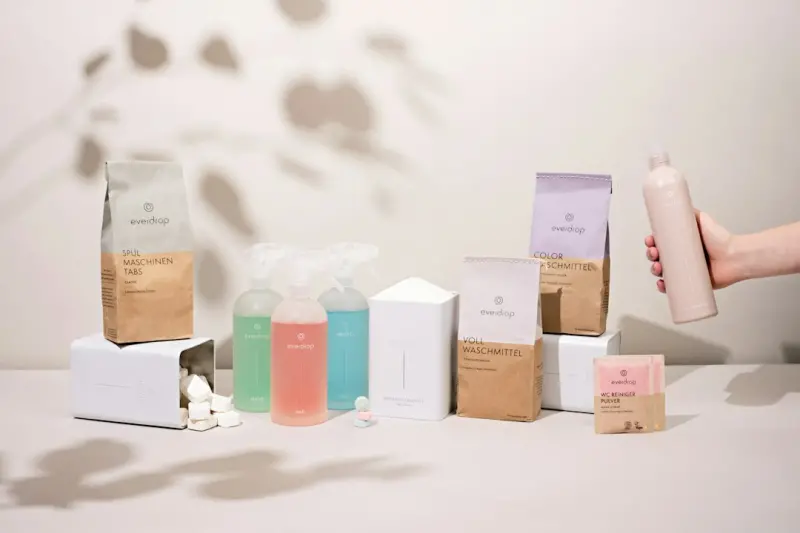
Why Refillable Personal Care Is the Next Big Disruption
When I first walked into a boutique that sold shampoo in glass bottles you could simply snap a new cartridge into, I felt like I’d stepped into a sci‑fi set. The shelves weren’t cluttered with single‑use plastic tubs; instead, they showcased sleek, modular designs that invited you to “refill, reuse, repeat.” That moment sparked a realization: the personal‑care industry is on the cusp of a massive shift, one driven not by hype but by hard‑edged consumer economics, environmental urgency, and emerging tech that makes refilling effortless.
The Numbers Behind the Movement
According to a recent Nielsen study, 68% of millennials say they would pay a premium for products that come in sustainable packaging. That figure jumps to 78% for Gen Z. Yet, the same research shows that 54% of shoppers still abandon a purchase when faced with a confusing refill process. The gap between desire and execution is where opportunity lives. Companies that can close that loop—making refilling intuitive, affordable, and enjoyable—will capture a rapidly expanding market segment.
Beyond the Bottle: The Psychology of Refill Rituals
Human beings are ritualistic by nature. Think of the morning coffee brew or the nightly skincare routine. When a product becomes part of a ritual, its design and experience matter as much as its performance. Refillable systems tap into this by turning a mundane task—topping off a shampoo bottle—into a satisfying, almost meditative act. The tactile click of a cartridge, the subtle scent of a freshly poured lotion, the visual cue of a transparent chamber showing how much is left—all these sensory triggers reinforce brand loyalty.
Technology Enabling Seamless Refills
Smart sensors and IoT are no longer the exclusive domain of kitchen appliances. A handful of forward‑thinking brands have begun embedding low‑cost NFC chips into their refill cartridges. When you place the cartridge near your smartphone, an app instantly logs the product type, quantity added, and even suggests complementary items based on your usage patterns. This data not only empowers consumers with personalized insights but also feeds manufacturers a treasure trove of real‑time demand signals.
Case Study: The Rise of Subscription‑Based Refills
One emerging model that’s gaining traction is the subscription refill box. Customers receive a curated set of cartridges each month, tailored to their consumption rates. The logistics are simple: a lightweight, recyclable pouch arrives, the consumer swaps out the spent cartridges, and the empty pouch is returned for reuse. Brands report a 30% reduction in packaging waste and a 45% increase in repeat purchase rates, illustrating the win‑win nature of this approach.
Design Principles for a Refillable Future
- Modularity: Separate the dispensing mechanism from the product reservoir so each can be upgraded independently.
- Transparency: Clear or semi‑transparent chambers let users see exactly how much product remains, reducing “out‑of‑stock” anxiety.
- Ease of Use: Snap‑fit mechanisms that require no tools lower the barrier for adoption across all age groups.
- Brand Storytelling: Use the refill journey as a narrative hook—share the environmental impact of each cartridge saved.
Marketing Refillable Products: Lessons from real‑time marketing dashboards
Launching a refillable line isn’t just about product design; it’s also about communicating value at the right moment. Real‑time dashboards allow marketers to track refill frequency, churn, and sentiment across channels. By overlaying this data with seasonal trends—say, a spike in body‑care refills during winter—brands can push timely nudges like “Your moisturizer is low—refill now and get 10% off.” The immediacy of these prompts mirrors the instant gratification consumers expect from digital experiences.
Environmental Impact: Beyond the Plastic
While the obvious benefit is reducing single‑use plastic, refills also cut down on transportation emissions. A 500 ml cartridge weighs a fraction of its full‑size counterpart, meaning more units can be shipped per container, optimizing logistics. Moreover, many companies are partnering with circular‑economy platforms that collect and sterilize empty cartridges, extending their lifespan beyond the initial use. This closed‑loop model can slash a product’s carbon footprint by up to 40%.
Challenges and How to Overcome Them
Despite the promise, there are hurdles. First, the upfront cost of redesigning packaging can be significant. However, the long‑term savings from reduced material purchases often offset this. Second, consumer education is crucial; a confusing refill process can deter even the most eco‑conscious buyer. Brands should invest in clear, visual instructions and perhaps even short video guides embedded in QR codes on the packaging. Finally, regulatory compliance—especially for cosmetics—requires rigorous testing of refill mechanisms to ensure product integrity isn’t compromised.
The Role of Data in Shaping Future Formulas
Data gathered from refill sensors isn’t just about inventory. It can inform product development. If analytics reveal that users consistently top up a certain fragrance after a specific interval, R&D can explore extending the scent’s longevity or offering a complementary variant. This feedback loop creates a virtuous cycle where consumer behavior directly influences formulation tweaks, leading to products that better meet real‑world needs.
Future Outlook: From Refills to “Refill‑as‑a‑Service”
Imagine a world where your bathroom mirror notifies you when your toothpaste is low and automatically orders a refill, delivered in a reusable pod that docks onto a sleek countertop dispenser. That vision is not far off. As smart homes become mainstream, “refill‑as‑a‑service” could become a standard offering, blurring the line between product and service. Companies that position themselves early in this ecosystem will not only enjoy higher customer lifetime value but also set new industry standards for sustainability.
Takeaway: Make the Refill Experience Irresistible
In the end, the success of refillable personal care hinges on three pillars: convenience, transparency, and storytelling. If you can make refilling as effortless as tapping a button, show consumers exactly what their actions save, and weave those moments into a compelling brand narrative, you’ll turn a sustainable choice into a beloved habit. The next wave of personal‑care innovation isn’t just about what’s inside the bottle; it’s about how the bottle comes back to you, again and again.

Brad Hays is a freelance writer known for his versatile skill set and ability to craft compelling content across a wide range of industries.
Related Posts
Reimagining Personal Care Through the Microbiome Lens
A microbiome‑first mindset turns everyday personal care into a holistic practice, feeding benefici... Read More

Micro‑Moments: Redefining Personal Care in the Remote‑Work Era
Discover the power of micro‑moments, ingredient transparency, and a home sanctuary to elevate your... Read More

Elevate Your Everyday: A Sensory‑First Personal Care Blueprint
Learn how to transform everyday grooming into a multi‑sense ritual, using touch, aroma, sound, and... Read More
Top Posts

Cultivating a Data‑Driven Micro‑Garden for Urban Creatives
Discover a fresh, data‑informed approach to urban gardening that blends design thinking, sensor tech, and sensory flow to enhance productivity and well‑bein...Read More

Deceptive Promises, Forced Realities: Unmasking Human Trafficking in Australia and Beyond
In an increasingly interconnected world, the very tools designed to unite us – the internet and social media – have become insidious instruments in the hand...Read More
How to Stop Your Smartwatch Health Anxiety
It sits on your wrist, a sleek, humming sentinel of your biological data. It counts your steps, tracks your REM cycles, monitors your blood oxygen levels, and k...Read More
How to Future‑Proof Your Google SEO with Intent‑Driven Content Clusters
Mei Chen reveals why organizing content around user intent, not just keywords, creates resilient SEO clusters that improve rankings, conversion rates, and longâ...Read More
0 Comments
Post Comment
You will need to Login or Register to comment on this post!