

Why Biophilic Design Is the Next Home Revolution
Imagine stepping into your living room and instantly feeling the calm of a forest, the freshness of a mountain breeze, and the gentle rhythm of a stream. That’s the promise of biophilic design—a design philosophy that deliberately weaves natural elements into the built environment. While the term might sound like something you’d read in a high‑end architecture journal, the principles are surprisingly accessible and can be applied even if you live in a modest apartment or a bustling city condo. In this post, I’ll walk you through the science behind biophilia, the core elements you can introduce today, and actionable steps to transform any space into a health‑boosting sanctuary.
The Science: How Nature Affects Our Brains and Bodies
Researchers have long documented the psychological and physiological benefits of exposure to nature. Studies show that even brief visual contact with greenery can lower cortisol levels, reduce blood pressure, and improve focus. The Attention Restoration Theory suggests that natural scenes replenish our mental energy, counteracting the fatigue caused by constant digital stimulation. Moreover, a growing body of evidence links indoor plants to better indoor air quality, which can decrease the likelihood of respiratory irritations and improve overall comfort.
These findings aren’t just academic; they translate into tangible outcomes for everyday life. Think of how much more productive you feel after a short walk in a park, or how a single potted fern on your desk can make a cramped office feel less oppressive. By intentionally integrating nature into your home, you’re essentially “hacking” your environment to support well‑being.
Start Small: The Power of Incremental Changes
One of the biggest misconceptions about biophilic design is that it requires a full‑scale renovation. In reality, the most effective changes are often the smallest. tiny rituals for home wellness—like watering a plant each morning or opening a window for fresh air—can cascade into larger benefits. Below is a quick checklist of starter actions that cost little time or money:
- Introduce a green friend: Choose low‑maintenance plants such as snake plants, pothos, or ZZ plants that thrive in low light.
- Maximize natural light: Keep windows unobstructed, use light‑filtering curtains, and place mirrors opposite windows to reflect sunlight deeper into rooms.
- Use natural textures: Swap synthetic rugs for jute or sisal, and opt for wooden or stone accessories.
- Soundscapes: Play recordings of birdsong, rain, or a gentle brook to simulate an outdoor auditory environment.
- Bring the outdoors inside: Add a small indoor water fountain or a terrarium to introduce the soothing visual of moving water.
Choosing the Right Plants for Your Space
Not all plants are created equal when it comes to indoor environments. When selecting foliage, consider light availability, maintenance level, and the specific health benefits you’re after. Here’s a quick guide:
- Air‑purifying champions: Spider plant, peace lily, and Boston fern are excellent at filtering VOCs like formaldehyde.
- Low‑light survivors: ZZ plant, snake plant, and cast iron plant can thrive in dim corners.
- Stress‑relieving aromatics: Lavender, jasmine, and eucalyptus emit calming scents that can aid sleep and reduce anxiety.
Position larger floor plants near entryways or in living areas where they can become focal points. Small tabletop varieties work well on desks, nightstands, or kitchen countertops, providing both visual interest and a subtle oxygen boost.
Lighting: Harnessing Sunlight and Artificial Solutions
Sunlight is the ultimate biophilic ingredient. Its spectrum supports circadian rhythms, which regulate sleep‑wake cycles, hormone release, and mood. To maximize natural light:
- Declutter windows: Remove heavy drapes and store bulky furniture away from window walls.
- Use sheer fabrics: Light‑filtering curtains allow soft diffusion while preserving privacy.
- Strategic mirror placement: A well‑placed mirror can double the perceived daylight in a room.
When natural light is limited, supplement with full‑spectrum LED bulbs that mimic daylight. Choose warm tones for evenings to promote relaxation and cooler tones during the day to enhance alertness. Pair these lights with dimmers so you can adjust intensity to match the time of day, reinforcing your body’s natural rhythm.
Materials Matter: Wood, Stone, and Textiles
Beyond plants and light, the tactile experience of natural materials profoundly impacts how we feel in a space. Wood, for instance, conveys warmth and grounding. Incorporate reclaimed timber shelves, a live‑edge coffee table, or simple wooden picture frames. Stone surfaces—such as a marble countertop or a pebble‑inlaid bathroom floor—introduce a sense of permanence and calm.
Textiles can also echo nature. Look for fabrics made from natural fibers like linen, cotton, or wool. Earthy hues—muted greens, soft browns, and sandy beiges—create a palette that feels harmonious and soothing. If you love color, draw inspiration from sunrise or sunset tones to add vibrancy without overwhelming the senses.
Water Features: The Subtle Symphony of Flow
There’s a primal attraction to moving water; the sound of a trickling stream can lower heart rate and induce a meditative state. You don’t need a full‑size fountain; even a compact tabletop waterfall or a DIY pebble‑and‑water bowl can make a difference. Place the feature where you spend time reading, meditating, or working from home—its gentle murmur can become an unobtrusive backdrop that steadies focus.
Creating Outdoor‑Inspired Zones
Think of your home as a collection of micro‑environments, each designed to serve a specific function. A “forest nook” could be a corner filled with potted ferns, a bamboo mat, and a floor lamp that mimics dappled sunlight. A “river retreat” might feature a low‑profile water feature, blue‑gray cushions, and a rug that resembles river stones.
These zones don’t have to be large. The key is consistency: repeat natural elements—like the same type of wood or a specific shade of green—across multiple areas to create a cohesive narrative that feels like an extension of the outdoors.
Smart Integration Without Over‑Tech
While the blog’s recent focus has been on high‑tech solutions, you can still benefit from subtle technology that amplifies biophilic intent without dominating the aesthetic. Automated blinds that open at sunrise and close at sunset ensure you receive optimal daylight while maintaining privacy. Smart humidifiers can maintain a comfortable moisture level, supporting both plant health and human comfort—particularly in dry climates.
Remember, the goal isn’t to turn your home into a gadget showroom; it’s to let technology serve the natural experience you’re cultivating. A few well‑placed sensors can automate the environmental conditions that make your biophilic space thrive.
Budget‑Friendly Biophilic Upgrades
Feeling inspired but worried about the cost? Biophilic design is remarkably adaptable to any budget. Here are some wallet‑friendly ideas:
- DIY terrariums: Reuse glass jars, add small stones, charcoal, soil, and a tiny succulent.
- Nature walks for décor: Collect fallen branches, pinecones, or smooth river stones to use as decorative accents.
- Seed swaps: Trade seeds with friends or local gardening clubs to diversify your plant collection at no cost.
- Second‑hand finds: Hunt thrift stores for wooden crates, vintage planters, or reclaimed wood panels.
These strategies align perfectly with the broader sustainability movement, reinforcing the idea that bringing nature inside also supports the planet outside.
Maintaining Your Biophilic Sanctuary
Once you’ve established your natural oasis, regular upkeep is essential. Set a weekly “nature check” on your calendar: water plants, wipe down leaves to remove dust, rotate pots for even sunlight exposure, and test the humidity levels if you’ve installed a humidifier. This routine not only preserves the visual appeal but also reinforces a habit of mindfulness—each task becomes a moment of intentional care for both your space and yourself.
Case Study: A Small Apartment Turned Green Retreat
Consider the story of Maya, a freelance graphic designer living in a 600‑square‑foot studio. She felt perpetually drained, attributing the fatigue to long hours in front of a screen. By implementing a few biophilic principles, she transformed her space:
- Morning plant ritual: Placed a snake plant by her desk and a hanging pothos near the window.
- Light amplification: Swapped heavy curtains for sheer panels and added a mirror opposite the balcony door.
- Natural textures: Replaced a synthetic rug with a jute runner and added a reclaimed wood bookshelf.
- Water element: Introduced a compact tabletop fountain that runs on a quiet pump.
Within a month, Maya reported lower stress levels, improved sleep, and a noticeable boost in creativity. Her experience underscores how modest adjustments can yield substantial benefits—perfect proof that biophilic design isn’t exclusive to sprawling homes.
Linking to Larger Movements
The shift toward biophilic design dovetails with broader trends in sustainability and wellness. For readers curious about related topics, you might explore tiny swaps for greener living, which emphasize the interconnectedness of personal habits and planetary health. Similarly, our exploration of small upgrades for a calmer home offers complementary ideas for creating tranquil spaces without overwhelming renovation projects.
Final Thoughts: Make Nature Your Co‑Creator
At its heart, biophilic design is a partnership between you and the natural world. It invites you to be an active curator of your environment, using simple, thoughtful choices to craft spaces that nurture body, mind, and spirit. Whether you start with a single pothos or redesign an entire room with reclaimed wood and sunlight, each step brings you closer to a home that feels less like a shelter and more like a living, breathing sanctuary.
So, the next time you glance at that empty corner or stare at a bland wall, ask yourself: “What piece of nature can I invite in?” The answer might be as modest as a sprig of rosemary or as bold as a vertical garden. Whatever you choose, the transformation will ripple through your daily life, offering calm, clarity, and a renewed connection to the world outside—right from the comfort of your own home.

Paul Flynn is a versatile freelance writer equipped with a diverse skillset and a portfolio that reflects his wide-ranging interests and expertise. From crafting compelling website copy and engaging blog posts to delivering in-depth articles and meticulously researched reports, Flynn demonstrates a remarkable ability to adapt his writing style to suit various audiences and purposes.
Related Posts

What to Expect From Wood Floor Restoration?
Wood floors are a timeless and elegant addition to any home. Their natural beauty, warmth, and durab... Read More
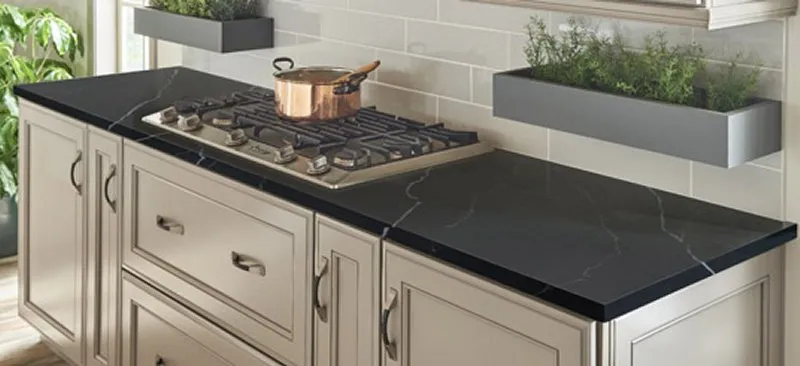
5 Great Kitchen and Washroom Countertop Options
In the intricate tapestry of home design, few elements bear as much functional weight and aesthetic ... Read More

The Critical Winterization Mandate: Why Immediate Pest Inspection is Essential as Temperatures Drop
The transition from autumn’s mildness to winter’s severity marks a pivotal moment in home mainte... Read More
Top Posts

Why TikTok Is the Untapped Playbook for B2B SaaS Storytelling
TikTok isn’t just for viral dances; it’s a powerful channel for B2B SaaS storytelling. Learn how to craft concise, value‑driven videos, integrate TikTok i...Read More

Why Managed WordPress Hosting Is the Secret Weapon for Serious Publishers
Managed WordPress hosting does more than keep your site online. It unlocks speed, security, and revenue opportunities that shared plans can’t match—learn wh...Read More

Turning Convenience Into a Security Ally for Remote Teams
A deep dive into why everyday shortcuts can undermine online safety and how remote teams can adopt passkeys, adaptive authentication, and a resilient security c...Read More

The Strategic Imperative: How Businesses Can Master Technology for Unprecedented Advantage
In an era defined by relentless innovation and digital acceleration, technology is no longer merely a support function for businesses; it is the very engine of ...Read More
0 Comments
Post Comment
You will need to Login or Register to comment on this post!