

When the office vanished into a home office, my sleep schedule didn’t just shift—it unraveled. I found myself scrolling through emails at 2 a.m., answering Slack pings during dinner, and then staring at the ceiling at sunrise, wondering why my body felt like it was stuck in perpetual jet lag. If you’ve ever felt the same, you’re not alone. Remote work has given us flexibility, but it has also turned our internal clocks into a chaotic mess.
Why Our Circadian Rhythm Matters More Than Ever
The circadian rhythm is a 24‑hour internal clock that governs everything from hormone release to body temperature, digestion, and—most importantly—sleep‑wake cycles. When it’s in sync, you’re alert during the day, restful at night, and your immune system runs like a well‑oiled machine. When it’s out of sync, you can expect fatigue, mood swings, weight gain, and a weakened ability to fight off illness.
In a traditional office, the routine of commuting, fixed start times, and natural exposure to daylight helped reinforce this rhythm. Remote work, however, blurs those cues. The lack of a commute eliminates the “wake‑up” light exposure, and the temptation to work late into the night becomes stronger when your living room doubles as a boardroom.
Four Pillars to Reboot Your Body Clock
Restoring a healthy circadian rhythm isn’t about a single miracle habit; it’s a constellation of small, intentional changes. Below are the four pillars that have helped me—and many of my clients—re‑anchor their internal clocks.
1. Light Management: Harness the Sun, Tame the Screens
Light is the most powerful Zeitgeber (time‑giver) for your circadian system. Here’s how to make it work for you:
- Morning Sunburst: Aim for at least 20‑30 minutes of natural light within the first hour of waking. Open curtains, step onto a balcony, or sip coffee by a sunny window. If natural light is scarce, a full‑spectrum light box can simulate sunrise.
- Midday Breaks: Schedule short “light breaks” to step outside for a quick walk. Even 5 minutes of daylight can boost alertness and reduce eye strain.
- Evening Dim‑Down: Switch to warm, low‑intensity lighting after sunset. Use amber bulbs or smart lighting that automatically shifts hue as the day progresses.
- Screen Settings: Enable “night mode” on devices after sunset. Blue‑light‑blocking glasses are a handy tool if you must work late.
2. Consistent Sleep‑Wake Times: The Power of Predictability
It may sound simple, but going to bed and waking up at the same time—yes, even on weekends—reinforces the rhythm. If you need flexibility, aim for a 30‑minute window rather than a whole hour. Over time, your body will start anticipating sleep, making it easier to drift off.
3. Meal Timing: Feed Your Clock, Not Just Your Hunger
When you eat sends signals to peripheral clocks in your liver and gut. To align them:
- Have breakfast within two hours of waking to jump‑start metabolism.
- Avoid heavy meals after 7 p.m.; opt for a light protein‑rich snack if you’re hungry.
- Consider a “time‑restricted eating” window of 10‑12 hours (e.g., 8 a.m. to 6 p.m.) to give your digestive system a nightly rest.
4. Movement & Microbreaks: Reset the Body, Reset the Clock
Physical activity signals the body that it’s daytime. Incorporate short movement bursts throughout the day—stand, stretch, or do a quick set of body‑weight exercises. These microbreaks improve circulation, reduce eye strain, and reinforce the day‑night distinction.
Practical Strategies to Implement the Pillars
Now that we’ve covered the theory, let’s translate it into actionable steps you can start tomorrow.
Morning Routine Blueprint
- Wake up to a gentle alarm that gradually brightens the room (many smart lights have this feature).
- Immediately open the curtains; if it’s still dark, turn on a bright light box for 10 minutes.
- Drink a glass of water, stretch, and step outside for a brief walk—no screens, just sunlight.
- Have a protein‑rich breakfast (e.g., Greek yogurt with nuts) within the next 30 minutes.
Workday Light & Movement Protocol
Design your home office to maximize daylight. Position your desk near a window, and use a desk lamp with adjustable color temperature. Set a timer for every 90 minutes to stand, stretch, or walk around the house for 5 minutes. This not only boosts circulation but also gives your eyes a break from the screen’s glare.
Evening Wind‑Down Routine
Two hours before bedtime, dim the lights and switch devices to “night mode.” Replace caffeine with herbal tea, and engage in low‑stimulus activities—reading a physical book, journaling, or gentle yoga. Aim to be in bed within your consistent sleep window.
Technology Can Be an Ally (When Used Wisely)
While I warned about screen exposure, certain tech tools can actually support circadian health. For instance, Micro‑Habits for Peak Health emphasizes tiny, repeatable actions that can be layered into your day—like setting a reminder to turn off bright lights at a specific time. Another great resource is the Quiet Power article, which, although focused on acoustic improvements, underscores the importance of creating a calm auditory environment—a factor that can improve sleep quality.
Common Pitfalls and How to Avoid Them
“I’m a night owl, so I can’t shift my schedule.” Your body is adaptable. Gradual shifts—15 minutes earlier each night—are less jarring than a sudden overhaul.
“I need to be available for global teams at odd hours.” Negotiate core overlapping hours and protect the rest of your day for personal rhythm.
“I’m too busy to exercise.” Micro‑breaks are effective; even a 2‑minute stretch counts.
“I’m not a morning person; sunlight won’t help.” Light exposure still resets the suprachiasmatic nucleus (SCN) regardless of your preference, making it a non‑negotiable part of the routine.
Measuring Success: Tracking Your Rhythm
Use a simple sleep log or a wearable device that tracks sleep stages, heart rate variability, and exposure to light. Look for trends: falling asleep faster, fewer nighttime awakenings, and feeling more refreshed in the morning. Small improvements over weeks are signs that your circadian rhythm is realigning.
Final Thoughts: Your Body Clock Is Not a Myth
Remote work gave us the freedom to work from anywhere; it also gave us the responsibility to steward our own health. By consciously managing light, sleep, meals, and movement, you can reclaim a rhythm that fuels productivity, creativity, and wellbeing. The journey isn’t about perfection—it’s about consistency and compassion for yourself as you navigate this new work landscape.

Laura Wilson is a freelance writer specializing in the dynamic and ever-evolving field of health. With a passion for translating complex medical information into accessible and engaging content, Laura brings a wealth of knowledge and a fresh perspective to topics ranging from preventative care and nutrition to cutting-edge research and innovative treatments.
Related Posts

How Strength Training Can Help You Burn Fat, No Treadmill Required
For decades, the image of fat loss has been inextricably linked with endless hours on the treadmill,... Read More
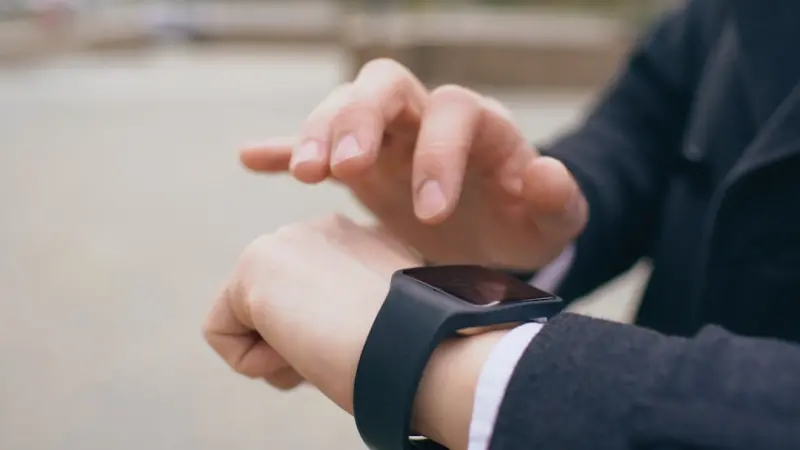
Wearable Tech & Digital Therapeutics: The New Health Frontier
From continuous monitoring to AI‑driven personalized care, wearables are becoming the frontline of... Read More

Caring for a Loved One with Dementia
Caring for a loved one living with dementia is a journey unlike any other—a path fraught with prof... Read More
Top Posts

The Digital Fortress: 10 Essential Gadgets for Modernizing Your Home Security Perimeter
In an era defined by connectivity, the concept of home security has evolved significantly. The passive reliance on traditional alarms and deadbolts has been sup...Read More

Directory Submission Sites Google Still Likes
Search engine optimization (SEO) is a dynamic and ever-evolving field, with new strategies and techniques emerging constantly. One of the long-standing tactics ...Read More

Mindful Grooming: Turning Everyday Personal Care into a Sensory Ritual
Learn to elevate your personal care routine into a mindful ritual that blends sensory awareness, sustainable choices, nutrition, and tech for healthier skin and...Read More
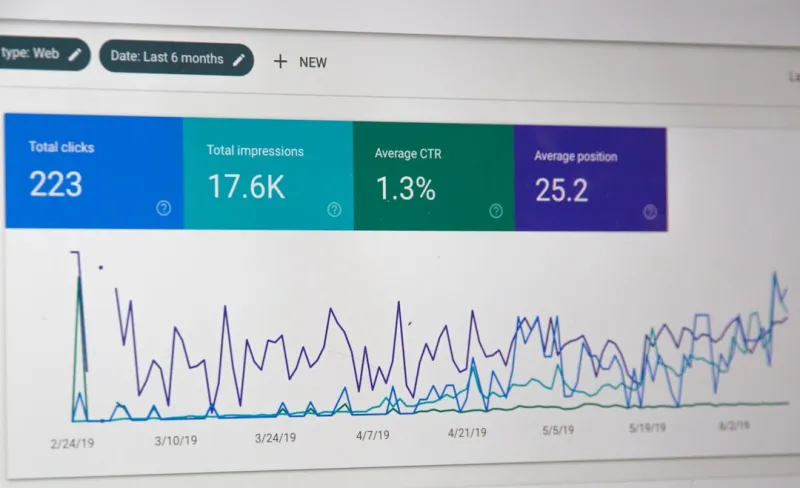
Cracking the Bing SEO Code in 2024: Seth Samual’s Rebel Playbook
Seth Samual reveals why Bing is a hidden goldmine in 2024, sharing rebel‑style SEO tactics, technical fixes, and local strategies to dominate the search resul...Read More
0 Comments
Post Comment
You will need to Login or Register to comment on this post!