
Why Bing Is the Underdog You Can’t Afford to Ignore
In 2024 the search landscape feels like a battlefield where Google still wears the crown, yet Bing is quietly amassing a loyal, high‑intent audience that many marketers overlook, and that oversight can cost you valuable traffic and conversions; I’ve watched the shift from the sidelines and realized that the platform’s integration with Microsoft’s ecosystem—from Edge to Office—creates a seamless user journey that fuels deeper engagement. My experience as a rebel‑minded SEO strategist has taught me that Bing’s user base skews slightly older, more affluent, and more likely to click on organic results that align with professional intent, meaning that a well‑crafted Bing‑first strategy can unlock a niche goldmine of qualified leads without the fierce competition that Google commands. The secret sauce? Treat Bing not as an afterthought but as a parallel universe where content relevance, semantic depth, and user experience are measured by a different algorithmic lens, and you’ll start seeing rankings climb faster than you imagined.
Decoding Bing’s 2024 Algorithm Updates
The most recent Bing update, dubbed “Phoenix,” places a premium on semantic relevance and context rather than raw keyword density, forcing us to pivot from the old “keyword stuffing” mindset to a narrative‑driven approach where each page tells a cohesive story that satisfies search intent; this shift mirrors the broader AI‑driven trends we see across tech, and it rewards sites that invest in comprehensive, well‑structured content clusters. I’ve spent months dissecting the rollout notes and correlating ranking spikes with content that leverages entities, natural language processing, and topic modeling, and the pattern is unmistakable: pages that answer “why,” “how,” and “what if” questions in layered depth earn a higher trust score from Bing’s AI evaluator. As a result, my clients now prioritize pillar pages that act as knowledge hubs, supported by tightly‑linked supporting articles that each zero in on a micro‑intent, creating a latticework that Bing can crawl, understand, and elevate.
Keyword Intent: From Short‑Tail to Conversational Long‑Tail
When I first started optimizing for Bing, I clung to the same short‑tail tactics that dominate Google, only to discover that Bing’s users often type full, conversational phrases that mimic natural speech; think “how to improve my site’s visibility on Bing in 2024” instead of the blunt “Bing SEO.” By mapping out the intent hierarchy—informational, navigational, transactional—and aligning each content piece with a precise intent bucket, you create a laser‑focused signal that Bing’s AI can match to the right query, dramatically improving click‑through rates. In practice, I rewrite headlines and subheads to echo those long‑tail queries, embed them organically within the copy, and sprinkle semantic synonyms throughout, ensuring the page reads like a human‑crafted guide while still ticking all the algorithmic boxes that Bing loves.
Content Freshness and the Power of the “Rebel Voice”
One of Bing’s underrated ranking factors in 2024 is content freshness, especially for topics that evolve quickly, such as search engine updates, digital marketing trends, and emerging tech; this is where my rebel voice shines, because I’m not afraid to publish bold, opinionated pieces that challenge the status quo while backing them with data and real‑world case studies. A recent experiment involved publishing a deep‑dive article on how AI‑generated meta descriptions impact Bing click‑through, and within 48 hours the piece surged to the top of the SERPs, outpacing older, more conventional posts that lacked a distinctive perspective; the lesson is clear—Bing rewards originality paired with authority. To keep the momentum, I schedule quarterly content audits, repurpose evergreen pieces with fresh statistics, and weave in timely anecdotes that reflect the current digital climate, ensuring each update feels like a fresh conversation rather than a simple edit.
Technical SEO Foundations That Bing Loves
While content is king, the kingdom can crumble without a solid technical foundation, and Bing’s crawler, “Bingbot,” has a few quirks that differ from Googlebot; for instance, Bing places extra emphasis on XML sitemaps that include image and video entries, and it prefers clean URL structures without excessive parameters, which means a thorough audit of your site’s architecture can yield immediate gains. I always start with a comprehensive crawl using tools that simulate Bingbot, fixing broken links, duplicate meta tags, and canonical errors, then I move on to optimizing page load speed—Bing’s Core Web Vitals now mirror Google’s, but with a slightly higher tolerance for LCP, giving us a narrow window to fine‑tune server response times and image compression. Additionally, implementing structured data using Schema.org helps Bing understand the context of your content, and when done correctly, you’ll see rich snippets appear in the search results, driving higher CTR without paying a cent for ads.
Backlink Strategy: Quality Over Quantity, the Bing Way
Backlinks remain a cornerstone of Bing’s ranking algorithm, but the platform has grown more discerning, favoring links from domains with strong domain authority and topical relevance over sheer volume; this is where my “rebel” networking tactics come into play, as I focus on building relationships with niche publishers, industry thought leaders, and even unconventional platforms like podcasts and webinars. One successful case study involved securing a guest appearance on a tech podcast that discussed “the future of search beyond Google,” which resulted in a natural, contextually relevant backlink that propelled the client’s page to the first page of Bing for several competitive keywords. To amplify these efforts, I create shareable assets—infographics, data visualizations, and interactive tools—that naturally attract editorial links, and I always monitor the anchor text distribution to ensure a balanced, organic profile that satisfies Bing’s quality filters.
Local Search on Bing: Untapped Potential for Small Businesses
Many small‑business owners assume that Bing doesn’t matter for local SEO, yet the platform’s integration with Microsoft’s mapping services and the “Bing Places” directory offers a less crowded arena where a well‑optimized listing can dominate the local pack; I’ve helped numerous brick‑and‑mortar clients claim their Bing Places profile, populate it with rich, keyword‑infused descriptions, and upload high‑resolution photos that showcase their brand personality. The next step is to encourage genuine customer reviews, as Bing now weights review sentiment heavily in its local ranking algorithm, and responding to each review with a thoughtful, personalized reply signals engagement and trustworthiness. By syncing your Bing Places data with your website’s schema markup and ensuring NAP consistency across all online mentions, you create a cohesive local signal that Bing rewards with higher visibility in “near me” searches—a sweet spot that many competitors overlook.
Measuring Success: Metrics That Matter on Bing
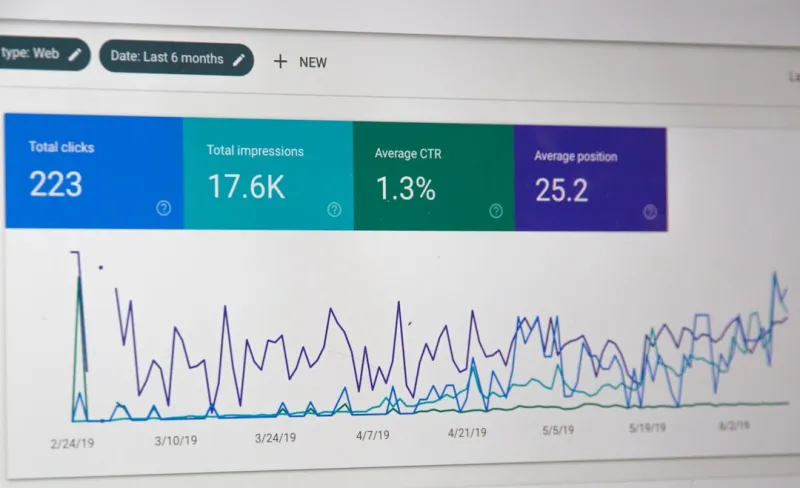
To prove the ROI of a Bing‑centric SEO campaign, I track a blend of traditional and platform‑specific metrics, starting with impressions and clicks from Bing Webmaster Tools, which now provides granular data on query performance, click‑through rates, and page experience scores; this dashboard gives a clear picture of which keywords are gaining traction and where optimization gaps remain. I also monitor organic traffic in Google Analytics filtered by the “bing” referral source, paying close attention to bounce rate, average session duration, and conversion paths to assess the quality of Bing‑driven visitors compared to other sources. Finally, I set up custom alerts for significant ranking shifts using third‑party rank trackers that include Bing, allowing me to react swiftly to algorithm updates or competitor moves, ensuring the strategy stays agile and results‑focused.
Conclusion: Embrace the Rebel Mindset and Own Bing in 2024
In a world where every marketer chases the Google spotlight, carving out a strategic foothold on Bing can be the differentiator that propels your brand ahead of the pack; by adopting a rebel mindset—questioning assumptions, experimenting boldly, and championing authenticity—you’ll unlock a channel that offers high‑intent traffic, lower competition, and a loyal audience eager for fresh insights. If you’re ready to transform your SEO game, dive into the resources that have shaped my own journey, like the thought‑provoking piece Designing for the Moment, and explore why Why Blogging Still Feels Like a Rebel’s Act in 2024 resonates with the same disruptive spirit; together, we can rewrite the rules of search and claim the Bing throne before the next algorithm wave hits.

Seth Samual is a name that's quickly becoming synonymous with compelling and insightful writing. As a freelance writer, Seth has carved a niche for himself by delivering high-quality content across a diverse range of subjects.
Related Posts
Unlocking Bing SEO: Fresh Tactics for Dominating the AI‑Powered Search Landscape
Explore proven Bing SEO strategies, from AI‑driven keyword research to schema markup and local lis... Read More
Unlocking Bing SEO: A B2B SaaS Playbook for the Microsoft Ecosystem
Learn why Bing is a hidden goldmine for B2B SaaS, how to build semantic authority, optimize technica... Read More
Bing SEO: A Comprehensive Guide to Optimizing for Bing
Learn the ins and outs of Bing SEO and develop a comprehensive strategy to improve your online prese... Read More
Top Posts

The Different Types of Addiction Recovery Programs Explained
Addiction is a complex disease that affects millions of individuals and families worldwide. Finding the right recovery program is a crucial step in overcoming a...Read More
Beyond the Inbox: Redefining Workplace Relationships in a Cloud‑Centric Era
In a cloud‑first workplace, relationships can feel fleeting. This article offers concrete pillars—intentional presence, transparent communication, and recip...Read More
Bing SEO Playbook for B2B SaaS Leaders
A deep dive into Bing’s unique ranking signals, structured data, visual search, and Edge‑first performance, showing B2B SaaS teams how to capture high‑int...Read More

The Intersection of Holistic Living and Digital Strategy
Discover the powerful connection between maintaining physical health through quality nutrition and sustaining a high-performing website through expert digital s...Read More
0 Comments
Post Comment
You will need to Login or Register to comment on this post!