

Why Web Design Feels Like a Personal Manifesto in 2024
When I first opened my laptop this morning, the cascade of pixels on my screen reminded me that web design is more than a trade; it’s a declaration of identity, a visual handshake that says, “I’m here, I matter, and I have something unique to share.” In an era where algorithms dictate visibility, I find myself fighting against the tide, much like the rebels discussed in Why blogging still feels like a rebel’s act in 2024, to craft experiences that are unmistakably human. The paradox is striking: the tools we use—AI assistants, responsive frameworks, and drag‑and‑drop builders—promise speed, yet the true art lies in the deliberate, painstaking choices of typography, color harmony, and micro‑interactions that whisper the brand’s soul. My process begins with a notebook, not a screen, because the tactile act of sketching forces me to confront the narrative before I ever code, and that narrative must be rooted in authenticity if it is to survive the relentless churn of trends. The result, when done right, feels like a personal manifesto etched in code, a statement that endures beyond the next viral fad.
The Rise of Adaptive Aesthetics: Designing for Fluid Contexts
Adaptive aesthetics have moved from buzzword to baseline expectation, and I’m constantly reminded that a site must look and feel right whether it’s viewed on a foldable phone, a VR headset, or a traditional desktop monitor, a reality that mirrors the fluidity discussed in the evolution of digital marketing trends. This shift forces designers to think beyond static breakpoints and to embrace a design language that morphs in response to user intent, environmental lighting, and even biometric feedback. I recently experimented with a CSS‑driven color algorithm that reads the device’s ambient light sensor, shifting from a warm, inviting palette in dim settings to a crisp, high‑contrast scheme under bright daylight, thereby reducing eye strain and enhancing readability. Such contextual awareness not only elevates the user experience but also signals respect for the user’s time and wellbeing—a principle that should be baked into every style guide. Moreover, by leveraging progressive enhancement, we can layer sophisticated interactions for capable browsers while preserving core functionality for legacy systems, ensuring that elegance never becomes exclusivity.
Storytelling Through Interaction: Micro‑Animations as Narrative Beats
Micro‑animations have become the heartbeat of modern interfaces, turning mundane clicks into narrative beats that guide users through a story without a single word. I treat each hover state, each loading spinner, and each scroll‑triggered reveal as a plot point that subtly nudges the visitor toward conversion while preserving delight. For instance, a subtle bounce on a call‑to‑action button can convey confidence, whereas a gentle fade‑in of product images as the user scrolls can simulate a runway walk, echoing the kinetic energy found in runway shows—a concept I explored while reading Ryan Stuart’s 2024 fashion forecast. The key is restraint: over‑animation leads to distraction, but well‑timed, purpose‑driven motion reinforces brand personality and improves perceived performance. Tools like Lottie and CSS keyframes allow us to embed lightweight, scalable animations that load instantly, keeping the page fast while delivering rich, immersive experiences that feel both modern and timeless.
Design Systems: The Backbone of Scalable Creativity
In my journey from solo freelancer to agency lead, I learned that a robust design system is the secret sauce that enables creative freedom at scale, much like a well‑orchestrated symphony where each instrument knows its part. By codifying colors, typography, spacing, and component behavior into a living repository, teams can ship new features faster without reinventing the wheel, reducing technical debt and maintaining visual consistency across dozens of touchpoints. The challenge lies in striking a balance between strict governance and the flexibility needed for designers to experiment; I address this by introducing “design tokens” that serve as immutable variables for core styles while allowing “theme overrides” for bespoke campaigns. This modularity empowers developers to swap entire visual languages with a single JSON change, ensuring that seasonal promotions or brand refreshes are a matter of configuration rather than a costly redesign. As a result, the design system becomes a living ecosystem that nurtures innovation rather than stifling it.
Accessibility as a Competitive Advantage, Not a Checklist
Accessibility has graduated from a compliance checkbox to a strategic differentiator, and I champion it as an integral part of the user experience rather than an afterthought. When you design with screen readers, keyboard navigation, and color contrast in mind, you inherently create a cleaner, more intuitive interface for every user. For example, using semantic HTML elements not only improves SEO but also provides a logical structure for assistive technologies, allowing users to navigate content with confidence. I also incorporate ARIA landmarks and live regions to announce dynamic changes, such as form validation errors or loading states, ensuring that users with disabilities receive real‑time feedback. By conducting regular audits with tools like axe and Lighthouse, and pairing those insights with manual testing from community advocates, we close the gap between intention and execution, turning accessibility into a brand promise that resonates with an increasingly conscious audience.
Data‑Driven Design: Merging Intuition with Insight
While gut instinct still guides my aesthetic choices, I now pair intuition with hard data to validate design decisions, a practice that mirrors the analytical rigor seen in modern digital marketing. Heatmaps reveal where users linger, scroll depth metrics show content engagement, and A/B tests prove which button copy drives higher conversions. By integrating these insights directly into the design workflow, I can iterate rapidly, swapping out a hero image or tweaking a headline based on real‑world performance rather than guesswork. Moreover, predictive analytics allow us to anticipate user needs before they surface, enabling proactive personalization—think dynamic content blocks that rearrange themselves based on a visitor’s previous interactions. This symbiosis of creativity and analytics not only boosts ROI but also ensures that the design evolves in lockstep with user expectations, keeping the brand relevant in a fast‑moving digital landscape.
Future‑Proofing with Sustainable Practices
Web design’s environmental impact is often overlooked, yet every kilobyte transferred contributes to global energy consumption, a reality that pushes me to adopt sustainable design principles. I prioritize lightweight assets, implement modern image formats like WebP, and leverage lazy loading to reduce unnecessary data transfer, thereby shrinking carbon footprints while improving performance. Additionally, I favor server‑side rendering and edge caching to serve content from locations closest to the user, cutting latency and energy use. By embracing a “less is more” philosophy, we not only align with eco‑conscious consumer values but also future‑proof sites against stricter regulations and rising energy costs. This commitment to sustainability becomes a storytelling element in itself, showcasing a brand’s dedication to responsible innovation—a narrative that resonates deeply with today’s socially aware audience.
The Human Touch in an AI‑Dominated Landscape
Artificial intelligence is reshaping how we prototype, code, and even generate visuals, but I remain steadfast that the human touch is irreplaceable when it comes to empathy‑driven design. AI tools can suggest color palettes, auto‑generate layouts, and even write copy, yet they lack the lived experience and cultural nuance that a seasoned designer brings to the table. I view AI as a collaborative partner, using it to accelerate repetitive tasks while reserving the critical decision‑making for moments that require emotional intelligence—like crafting a brand voice that speaks to a specific community or designing an onboarding flow that eases anxiety for first‑time users. By maintaining this balance, we harness the efficiency of machines without sacrificing the soul of design, ensuring that each digital experience feels personal, purposeful, and profoundly human.

Robert Mathews is a professional content marketer and freelancer for many SEO agencies. In his spare time he likes to play video games, get outdoors and enjoy time with his family and friends . Read more about Robert Mathews here:
Related Posts
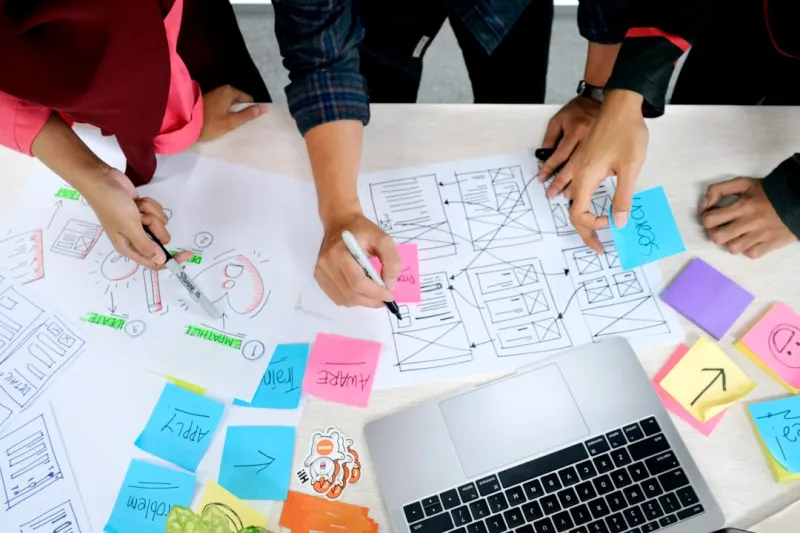
The Intersection of Web Design and Sustainable Living: A New Era of Digital Aesthetics
The intersection of web design and sustainable living is an exciting and rapidly evolving field. Lea... Read More

The Intersection of Web Design and Sustainable Living: A New Era of Eco-Friendly Innovation
The web design industry has a significant carbon footprint, but by making a few simple changes to ou... Read More
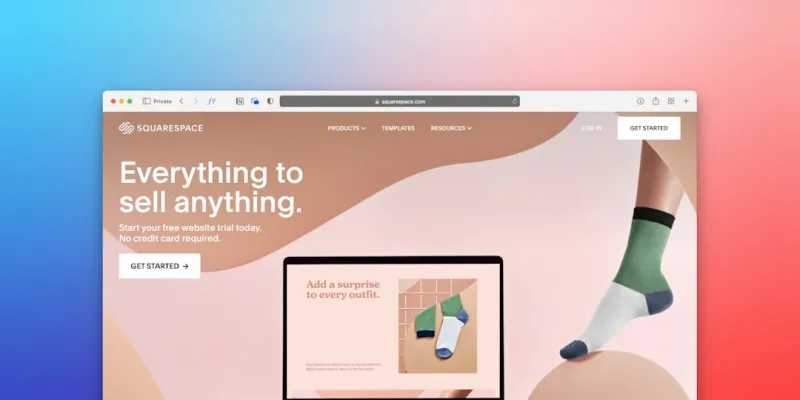
The Psychology of Web Design: How Color, Layout, and User Experience Impact Mental Health
Learn how web design impacts mental health and what designers can do to create more supportive onlin... Read More
Top Posts

Navigating Google's Ever-Evolving Ecosystem: A Blogger's Guide
Google is central to blogging success. This guide explores algorithmic changes, E-E-A-T, and AI's role in search. Learn to leverage Google's tools and create hu...Read More
Embracing Sustainable Elegance in Everyday Life
Embracing sustainable elegance is about finding a balance between living a luxurious life while minimizing our impact on the environment. Learn how to incorpora...Read More

The Role of WordPress Plugins in Sustainable Living and Environmental Conservation
WordPress plugins can play a vital role in promoting sustainable living and environmental conservation. Learn how eco-friendly plugins can help reduce carbon fo...Read More
Creating a Sustainable Home Oasis: How Your Space Can Impact Your Mental Health
Discover the connection between your home, sustainability, and mental health. Learn how to create a sustainable home oasis that nurtures both you and the planet...Read More
0 Comments
Post Comment
You will need to Login or Register to comment on this post!