
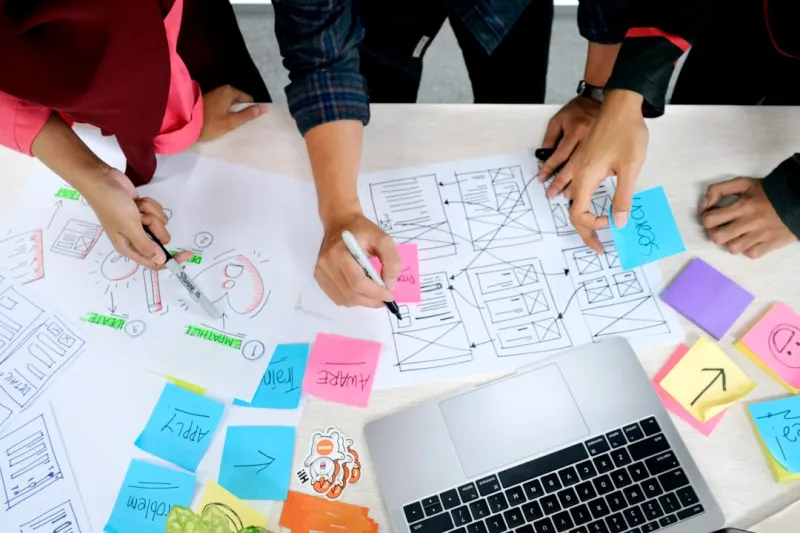
The Intersection of Web Design and Sustainable Living: A New Era of Digital Aesthetics
As a web designer, I've always been fascinated by the intersection of technology and sustainability. With the growing awareness of environmental issues, it's no longer just about creating visually stunning websites, but also about doing so in a way that's eco-friendly. In this article, I'll explore the concept of sustainable web design and its significance in today's digital landscape. For those interested in learning more about the broader implications of sustainability in tech, I recommend checking out The Intersection of Web Development and Sustainable Living for a deeper dive into how sustainable practices are shaping the web development industry.
The importance of sustainable web design cannot be overstated. The internet is a significant contributor to greenhouse gas emissions, with estimates suggesting that it accounts for around 3.7% of global emissions. This may not seem like a lot, but when you consider the sheer scale of the internet and the number of websites that exist, it adds up quickly. As web designers, we have a responsibility to reduce our carbon footprint and create websites that are not only beautiful but also sustainable. One key aspect of sustainable web design is optimizing website performance. This includes minimizing HTTP requests, compressing images, and using efficient coding practices. By doing so, we can reduce the amount of energy required to load a website, which in turn reduces its carbon footprint.
The Principles of Sustainable Web Design
So, what are the key principles of sustainable web design? First and foremost, it's about simplicity. A simple website with a clean design and minimal features requires less energy to load and maintain. This means avoiding unnecessary plugins, scripts, and images that can slow down a website and increase its carbon footprint. Another important principle is accessibility. A sustainable website should be accessible to everyone, regardless of their device or internet connection. This means using responsive design, clear typography, and intuitive navigation. For example, using Bing SEO strategies can help improve website visibility while also promoting sustainable practices through optimized content.
The Role of Color and Typography in Sustainable Web Design
Color and typography also play a critical role in sustainable web design. A well-chosen color palette can reduce eye strain and improve readability, while a clear typography can make it easier for users to navigate a website. But it's not just about aesthetics; color and typography can also impact a website's energy efficiency. For example, using dark mode or inverted color schemes can reduce the amount of energy required to display a website. When it comes to typography, choosing fonts that are optimized for digital use can improve readability and reduce the need for users to zoom in.
The Future of Sustainable Web Design
As we look to the future, it's clear that sustainable web design is here to stay. With the growing awareness of environmental issues, consumers are increasingly demanding eco-friendly products and services. This includes websites. As web designers, we have a responsibility to meet this demand and create websites that are not only beautiful but also sustainable. One key trend to watch is the rise of sustainable social media and how it intersects with web design. As social media platforms continue to evolve, we can expect to see a greater emphasis on sustainable practices and eco-friendly design.
Best Practices for Sustainable Web Design
So, what are some best practices for sustainable web design? Here are a few tips:
- Optimize website performance by minimizing HTTP requests and compressing images
- Use simple and clean design principles
- Choose eco-friendly hosting options
- Use accessible and intuitive navigation
- Select color palettes and typography that improve readability and reduce eye strain
By following these best practices, we can create websites that are not only beautiful but also sustainable.
The Impact of Sustainable Web Design on Business
But sustainable web design is not just good for the environment; it's also good for business. A sustainable website can improve user experience, increase engagement, and even boost conversions. By prioritizing sustainability, businesses can also enhance their brand reputation and appeal to eco-conscious consumers. In today's digital landscape, sustainability is no longer just a nice-to-have; it's a must-have.
Conclusion
In conclusion, sustainable web design is a critical aspect of creating a more eco-friendly digital landscape. By prioritizing simplicity, accessibility, and sustainability, we can create websites that are not only beautiful but also environmentally friendly. As web designers, we have a responsibility to reduce our carbon footprint and create websites that are sustainable for the long-term. By following best practices and staying up-to-date with the latest trends and technologies, we can create a more sustainable future for web design.
The Future is Sustainable
The intersection of web design and sustainable living is an exciting and rapidly evolving field. As we look to the future, it's clear that sustainability will play a critical role in shaping the digital landscape. By embracing sustainable web design principles and practices, we can create a more eco-friendly and sustainable future for all. And as we continue to explore the possibilities of sustainable web design, it's essential to stay informed about the latest developments and trends in the industry.
Call to Action
So, what can you do to get started with sustainable web design? Start by assessing your current website and identifying areas for improvement. Consider optimizing your website's performance, using eco-friendly hosting options, and prioritizing accessibility and simplicity. By taking these steps, you can create a more sustainable website that benefits both your business and the environment. And as you continue on your sustainable web design journey, remember to stay informed, stay up-to-date, and always prioritize sustainability.

Paul Flynn is a versatile freelance writer equipped with a diverse skillset and a portfolio that reflects his wide-ranging interests and expertise. From crafting compelling website copy and engaging blog posts to delivering in-depth articles and meticulously researched reports, Flynn demonstrates a remarkable ability to adapt his writing style to suit various audiences and purposes.
Related Posts
Designing Living Web Experiences: A Framework for Adaptive, User‑Centric Sites
Discover how to build web experiences that evolve with users, using living design systems, micro‑i... Read More

Beyond the Grid: Creative Web Design Ideas That Inspire Innovation and Engagement
In the rapidly evolving digital landscape, the distinction between functional necessity and artistic... Read More
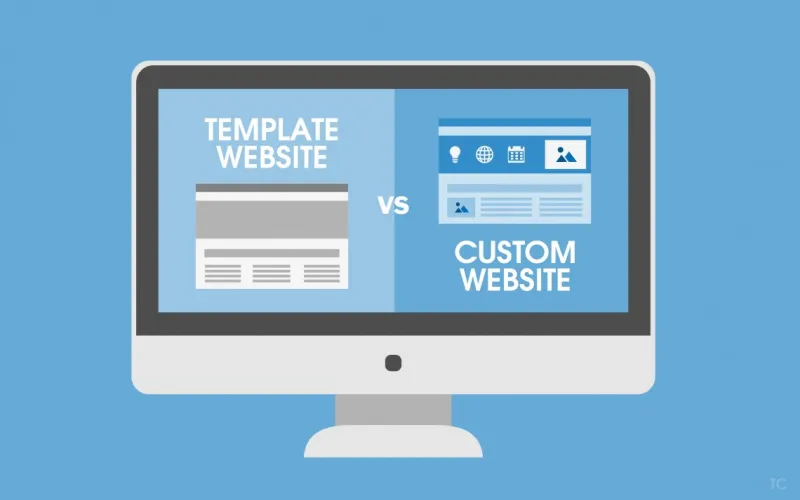
What Makes Custom Web Design Better Than Basic Templates
A website is often the first—and sometimes the only—point of contact between a business and its ... Read More
Top Posts
Navigating the Digital Playground: A Modern Guide to Online Safety
In a hyper‑connected world, staying safe online demands savvy habits, reliable tools, and a proactive mindset. Learn how to shield yourself and your kids whil...Read More
Shared Hosting: A Pragmatic Guide for Budget‑Savvy SaaS Teams
Shared hosting can be a cost‑effective launchpad for SaaS startups if paired with the right performance hacks, monitoring, and DevOps practices. This guide sh...Read More

Micro-Adventure: Redefining Outdoor Recreation One Tiny Trip at a Time
Micro‑adventure offers a fresh, low‑commitment way to experience nature daily. Learn how smart minimal gear, sensory‑rich trails, and community micro‑hi...Read More
From Alert Fatigue to Actionable Insight: The New Observability Paradigm
Traditional monitoring is noisy and reactive. This post outlines how AI, modular components, and conversational interfaces together create a proactive observabi...Read More
0 Comments
Post Comment
You will need to Login or Register to comment on this post!