

Why Blogging Still Feels Like a Rebel’s Act in 2024
When I first typed my name into the “About Me” box of a fledgling blog, I felt like I was stepping into an underground club where the only membership fee was my honesty. Fast‑forward a decade, and the platform has morphed from a hobbyist’s diary to a strategic powerhouse that can shift markets, shape opinions, and even influence policy. The irony? In a world where short‑form videos dominate feeds, long‑form written content is quietly reclaiming its throne, and bloggers are the unsung architects of that resurgence. Every post is a manifesto—a blend of storytelling, data, and personal insight that no algorithm can fully replicate. This paradox fuels my daily grind: I write not just to be heard, but to spark conversations that linger longer than the next trending meme.
The SEO Landscape Is No Longer a Mystery
Search engines have evolved from keyword‑matching bots into sophisticated entities that prioritize relevance, authority, and user intent. As a blogger, I’ve learned that chasing rankings is less about stuffing tags and more about delivering genuine value that aligns with what readers truly need. That’s why I keep a close eye on the shifting tides of optimization, especially with the rise of AI‑generated content and voice search. By weaving authentic experiences with well‑researched insights, I ensure my articles remain both discoverable and trustworthy. For anyone skeptical about the ROI of blogging, a quick dive into The Future of SEO: Navigating the Evolving Landscape will illustrate how strategic content can still dominate SERPs without compromising creativity.
Building Authority Through Personal Narrative
One of the most potent tools in my arsenal is the personal narrative—those moments when I strip away the professional veneer and reveal the raw, imperfect human behind the keyboard. Readers crave authenticity; they can spot a polished sales pitch a mile away. By sharing my own failures, late‑night epiphanies, and the occasional cringe‑worthy typo, I forge a bond that transcends the transactional nature of most online interactions. This approach not only boosts engagement metrics but also cultivates a loyal community that returns for the story, not just the headline. In practice, I sprinkle anecdotes throughout each post, turning abstract concepts into relatable journeys that readers can see themselves in.
Monetization Isn’t a Dirty Word
Let’s address the elephant in the room: money. For years, many bloggers equated monetization with “selling out,” but the reality is far more nuanced. When you build a platform grounded in trust, revenue streams—whether affiliate partnerships, sponsored content, or premium memberships—become natural extensions of your expertise. The key is transparency; disclose relationships and ensure any promotion aligns with your core values. This way, the audience perceives added value rather than a cash grab. I’ve found that the most successful campaigns are those where the product genuinely solves a problem I’ve already discussed in a previous post, creating a seamless, helpful transition from content to commerce.
Community Engagement as a Growth Engine
Beyond the written word, the real magic happens in the comment sections, social media threads, and email newsletters where readers converse with each other and with me. By actively responding, asking follow‑up questions, and highlighting user‑generated insights, I transform a solitary reading experience into a collaborative dialogue. This two‑way interaction fuels algorithmic favorability, as platforms reward content that sparks meaningful discussion. Moreover, it uncovers fresh angles for future posts, ensuring the blog remains a living, breathing ecosystem rather than a static archive.
Cross‑Channel Synergy Amplifies Reach
While the blog remains the hub, I amplify its impact by repurposing content across podcasts, webinars, and short videos. Each medium serves a distinct audience segment, yet they all funnel back to the central article, boosting dwell time and backlinks. For instance, a deep dive on digital marketing trends can become a concise Instagram carousel, a LinkedIn article, and a YouTube explainer, each with a call‑to‑action that drives traffic to the original post. This synergy not only broadens visibility but also reinforces the blog’s authority across platforms, making it harder for competitors to eclipse the message.
Data‑Driven Storytelling Keeps You Ahead
Numbers don’t have to feel cold; when woven into narrative, they become compelling proof points that elevate credibility. I regularly mine analytics, industry reports, and case studies to back up claims, turning abstract theory into concrete evidence. This practice is especially vital when addressing fast‑changing topics like AI, social media algorithms, or emerging consumer behaviors. By grounding my insights in data, I create a defensible position that withstands scrutiny and invites peer validation. Readers appreciate the rigor, and search engines reward the factual depth, creating a virtuous cycle of trust and visibility.
Leveraging Trends Without Losing Your Voice
Staying relevant means hopping on timely trends, but it also means ensuring those trends serve your unique perspective rather than diluting it. I often scan the horizon for emerging topics—like the latest algorithm update or a viral cultural moment—and ask myself: “How does this intersect with my core mission?” If the answer aligns, I craft a post that blends the trending angle with my established voice, delivering fresh relevance without sacrificing authenticity. A recent example involved weaving the concepts from The Evolution of Digital Marketing: Trends to Watch into a piece about content longevity, illustrating how short‑term hype can feed long‑term strategy.
The Longevity of Evergreen Content
While trends are fleeting, evergreen content remains the backbone of a sustainable blog. Topics like “how to write compelling headlines,” “building a personal brand,” or “fundamentals of SEO” continue to attract new readers months, even years, after publication. I treat these pillars as long‑term assets, periodically refreshing them with updated statistics, fresh examples, and new multimedia elements. This maintenance not only preserves search rankings but also signals to readers that the blog is a reliable, up‑to‑date resource they can depend on for guidance at any stage of their journey.
Looking Ahead: The Blogger’s Role in Shaping Culture
As we stand on the cusp of even more immersive technologies—augmented reality, AI‑driven personalization, and decentralized content platforms—the blogger’s role evolves from mere information conduit to cultural curator. We have the power to spotlight underrepresented voices, challenge prevailing narratives, and foster inclusive dialogues that ripple beyond the digital realm. My hope is that every post I publish serves as a small beacon, nudging readers toward curiosity, empathy, and action. In a noisy internet, the deliberate, thoughtful blog remains a lighthouse, guiding seekers toward meaningful content that matters.

David Moore is a freelance writer specializing in two dynamic and ever-evolving fields: gambling and the tech industry. With a keen eye for detail and a knack for unraveling complex topics, David delivers insightful and engaging content that keeps readers informed and entertained.
Related Posts

Reinventing Blogging: How Community Co‑Creation Turns Readers into Co‑Authors
Learn a fresh, community‑driven approach to blogging that transforms readers into co‑authors, am... Read More

Tips for Writing Professional Blog Posts
In the vast digital ocean, where bytes of content are churned out every second, standing out is no l... Read More

Blogging Terms Glossary: A list of Blogging terms
Blogging has become an integral part of the digital landscape, with millions of people sharing their... Read More
Top Posts

Modular Momentum: Redefining Industrial Equipment for Agility and Sustainability
A deep dive into modular industrial equipment reveals how breaking down monolithic machines into interchangeable components empowers manufacturers with agility,...Read More

The Dark Side of Social Media: How Online Safety Can Impact Your Mental Health
Social media can have a significant impact on our mental health, both positively and negatively. Learn how to prioritize online safety and promote a healthier o...Read More

Eco‑Cleaning Made Simple: A Personal Journey to a Greener Home
Learn how to revamp your cleaning routine with upcycled containers, homemade solutions, seasonal schedules, and plant allies for a truly green home....Read More
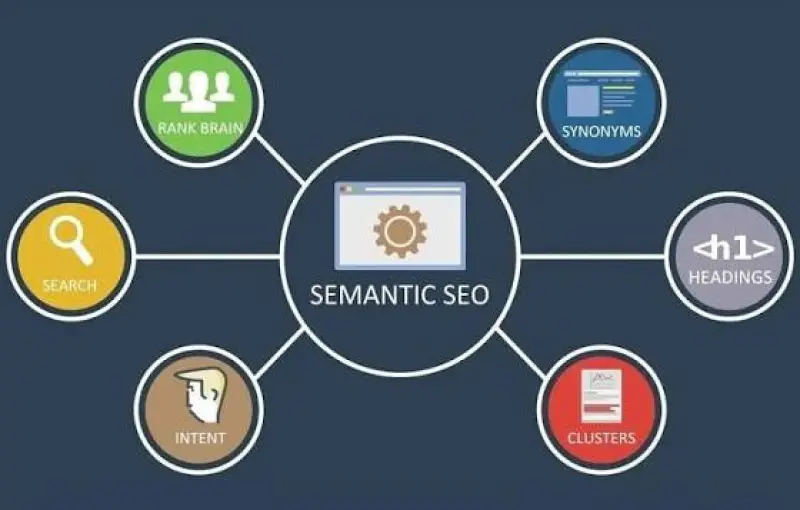
The Secret Power of Semantic HTML for On-Page SEO
Learn why semantic HTML is the hidden engine behind better rankings, how to audit and upgrade your pages, and the measurable SEO benefits of cleaner code....Read More
0 Comments
Post Comment
You will need to Login or Register to comment on this post!