
Why Bing Is No Longer the Quiet Cousin of Google
For most marketers, Bing feels like the backup quarterback—always there, but rarely the star of the show. Yet the reality is shifting. Microsoft’s integration of AI, its partnership with ChatGPT‑powered copilots, and a growing audience of enterprise users have turned Bing into a platform that demands strategic attention. If you keep treating Bing as an afterthought, you’re leaving valuable traffic, leads, and revenue on the table.
Understanding Bing’s New Ranking DNA
Google’s algorithm is famously a black box, but Bing is surprisingly transparent about many of its signals. Here are the three pillars that now dominate Bing’s ranking calculus:
- Semantic Relevance Over Keywords – Bing’s AI engine, Prometheus, evaluates the meaning behind a query, not just exact keyword matches. This means content must answer the intent behind a search, using natural language and contextual clues.
- Engagement Signals From the Microsoft Ecosystem – Click‑through rate, dwell time, and bounce rate are weighted heavily, especially when users come from Windows, Edge, or the Network‑First Thinking ecosystem.
- Authority From Trusted Domains – Bing places a premium on domains that demonstrate consistent, high‑quality content across a suite of Microsoft services (e.g., Azure, Office 365). Establishing a cross‑platform presence can boost your perceived authority.
Content Architecture That Wins on Bing
Because Bing’s AI focuses on semantic relevance, the way you structure content matters more than ever. Here’s a step‑by‑step guide to building a Bing‑friendly content architecture:
- Start With a Topic Cluster – Identify a core pillar page and create a network of supporting articles that dive deeper into sub‑topics. Each sub‑article should link back to the pillar and vice‑versa, reinforcing topical authority.
- Leverage Structured Data – Implement
FAQPage,HowTo, andProductschema markup. Bing’s rich result parser reads these directly, often surfacing your content in the “People also ask” and “Featured snippets” sections. - Write Conversational Paragraphs – Use natural language, answer common questions directly, and sprinkle in synonyms. This mirrors how Bing’s language model parses intent.
- Embed Contextual Media – Images and videos should have descriptive
altattributes and captions. Bing’s visual search engine crawls these elements for relevance, especially on mobile. - Maintain Internal Linking Hygiene – Every piece of content should have at least two internal links pointing to and from other relevant pages. This creates a “web” that Bing’s crawler can follow easily.
Local Search: Bing’s Underdog Advantage
While Google dominates national and global search, Bing maintains a robust foothold in local search for several industries—especially B2B SaaS providers targeting enterprises that use Windows Server or Azure. Here’s how to own your local market on Bing:
- Claim and Optimize Your Bing Places Listing – Fill out every field, from business hours to service areas. Add high‑resolution photos and keep your NAP (Name, Address, Phone) consistent across all directories.
- Collect and Respond to Reviews – Bing surfaces reviews directly in its local pack. Prompt satisfied customers for reviews, and respond to each one—positive or negative—to signal engagement.
- Geo‑Targeted Content – Publish blog posts or case studies that reference local events, regulations, or industry news. Use city‑specific keywords in headings and meta tags.
- Leverage Microsoft’s Business Data Graph – When you integrate your CRM with Microsoft Dynamics, you can feed structured data directly into Bing’s local knowledge graph, boosting relevance.
Voice Search and the Rise of the “Bing Assistant”
Microsoft’s push into AI assistants—think Cortana’s revival and the new Bing Assistant—means voice queries are exploding. Voice search is typically longer, more conversational, and often asks for a single, concise answer. To capture this traffic:
- Target Question Phrases – Use “How do I…”, “What is the best…”, and “Why should I…” formats in headings and early paragraphs.
- Provide Direct Answers – Position the answer within the first 40 words. Use bullet points or numbered lists for clarity.
- Optimize for Featured Snippets – Align your content with the snippet format (definition, steps, comparison). Bing’s AI will pull from the most authoritative, well‑structured content.
Backlink Strategy: Quality Over Quantity, but with a Bing Twist
Backlinks remain a cornerstone of SEO, but Bing places extra emphasis on the trustworthiness of the linking domain. Here’s a proven approach:
- Earn Links From Microsoft‑Related Sites – Guest posts on Azure blogs, partner with Office 365 community sites, or contribute to the Microsoft Tech Community. These domains carry high authority in Bing’s eyes.
- Prioritize Editorial Links – Natural, editorially earned links outrank directory or forum links. Conduct original research or produce industry reports that other publications want to cite.
- Maintain a Clean Disavow File – Bing’s Disavow Tool is less forgiving than Google’s. Regularly audit your backlink profile and disavow spammy domains promptly.
Technical SEO Checklist for Bing
Technical health is non‑negotiable. Bing’s crawler, Pingdom, differs slightly from Googlebot, so consider these nuances:
- XML Sitemap Submission – Submit directly through Bing Webmaster Tools. Include only canonical URLs and update the
lastmoddate for each entry. - Robots.txt Optimization – Avoid blanket disallow rules. Use
User-agent: *with preciseDisallow:paths for low‑value pages. - HTTPS Everywhere – Bing flags mixed‑content pages as less secure, which can impact rankings.
- Core Web Vitals – While Google popularized LCP, FID, and CLS, Bing also measures page speed and responsiveness. Aim for LCP under 2.5 seconds.
- Server Log Analysis – Bing provides detailed crawl logs. Review them weekly to spot crawl errors, duplicate content, or resource blocks.
Measuring Success: Bing‑Specific Metrics
Tracking performance on Bing requires a blend of Bing Webmaster Tools data and third‑party analytics. Focus on these KPIs:
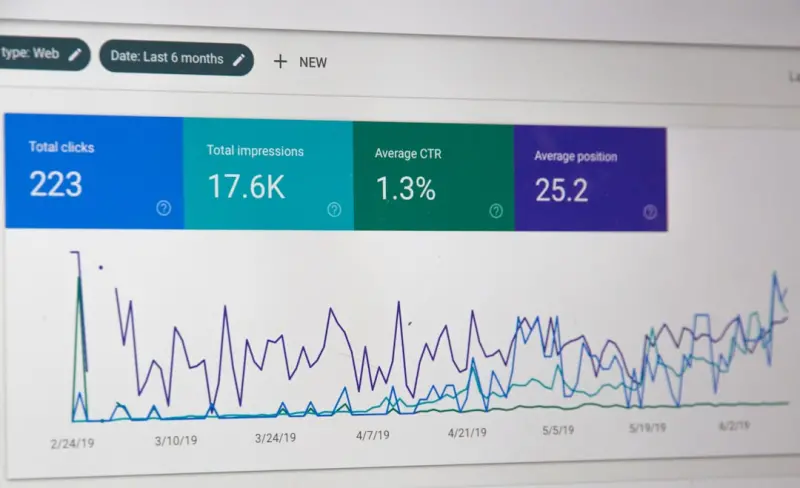
- Impressions & Click‑Through Rate (CTR) – Compare trends month‑over‑month to gauge the impact of new content.
- Average Position – Monitor keyword positions uniquely for Bing; a rise may indicate effective schema or local optimization.
- Engagement Time – Since Bing weights dwell time, use heat‑map tools to understand how users interact with your pages.
- Conversion Rate from Bing Traffic – Segment conversions by source in your CRM to assess ROI.
Integrating Bing SEO Into a Holistic Marketing Playbook
Don’t silo Bing tactics. Instead, weave them into your broader acquisition strategy. Here’s how to sync Bing with other channels:
- Cross‑Channel Attribution – Tag all Bing URLs with UTM parameters. This allows you to see how Bing assists or initiates conversions alongside paid media and email.
- Content Repurposing – Turn high‑performing Bing articles into LinkedIn posts, webinars, or slides for the Designing Trust series. This amplifies reach and reinforces authority.
- Paid Search Synergy – Use Microsoft Advertising data to inform organic keyword targeting. Overlap insights can highlight under‑served queries worth targeting organically.
- Community Building – Engage with the Microsoft Tech Community. Answer questions, share resources, and subtly link back to your content. This builds brand trust and feeds backlink equity.
Future‑Proofing Your Bing Strategy
Bing’s roadmap is increasingly AI‑centric. To stay ahead:
- Invest in AI‑Generated Summaries – Use tools that create concise, human‑like summaries for long‑form content. Bing’s AI favors content that can be easily parsed into answer boxes.
- Stay Updated on Schema Evolution – Microsoft periodically releases new schema types (e.g.,
SoftwareApplicationupdates). Subscribe to Bing Webmaster blog alerts. - Experiment With Visual Search – Upload product images to Bing Visual Search and monitor how they appear in search results. Optimize alt text and image context accordingly.
- Monitor Edge Integration – As Edge becomes a default browser for many enterprises, its search partnership with Bing will influence ranking signals. Ensure your site loads quickly on Edge and respects privacy settings.
Conclusion: Treat Bing Like a Strategic Partner, Not an Afterthought
In the fast‑moving SaaS landscape, every search engine is a gateway to potential customers. Bing’s evolving AI, deep integration with Microsoft’s enterprise suite, and emphasis on semantic relevance present a golden opportunity for marketers willing to dive deeper. By aligning content architecture, local tactics, technical health, and cross‑channel measurement with Bing’s unique signals, you’ll not only capture untapped traffic but also build a resilient, diversified acquisition engine.

Paul Flynn is a versatile freelance writer equipped with a diverse skillset and a portfolio that reflects his wide-ranging interests and expertise. From crafting compelling website copy and engaging blog posts to delivering in-depth articles and meticulously researched reports, Flynn demonstrates a remarkable ability to adapt his writing style to suit various audiences and purposes.
Related Posts
Bing SEO: A Comprehensive Guide to Optimizing for Bing
Learn the ins and outs of Bing SEO and develop a comprehensive strategy to improve your online prese... Read More
Cracking Bing’s AI Answers: A Tactical Guide for SaaS Marketers
Bing’s AI answer engine offers a high‑value, low‑competition channel for SaaS firms. This guid... Read More

Why Bing Is the Quiet Powerhouse Marketers Can’t Afford to Ignore
Bing’s market share, AI-driven results, and deep ties to Microsoft’s ecosystem make it a hidden ... Read More
Top Posts

Playful Futures: How Sustainable Materials and Smart Tech Are Redefining Toys
A deep dive into the emerging wave of eco‑friendly and AI‑powered toys, highlighting how sustainability and smart technology are transforming play experienc...Read More

Buying a New iPhone or Android Phone? Tips to Help You Make an Informed Decision
In an era where a smartphone is as essential as a wallet, choosing the right device can feel overwhelming. The market is split between two dominant ecosystems-A...Read More

Celebrating Life's Special Moments with Sustainable Elegance
Discover how to make your celebrations more sustainable with eco-friendly ideas and tips. Learn how to reduce waste and minimize environmental impact while stil...Read More

Why Virtual Private Servers Are the Smart Choice for 2026
Explore the rise of virtual private servers in 2026, their performance edge, security tactics, and future‑ready networking—all from a seasoned pro’s persp...Read More
0 Comments
Post Comment
You will need to Login or Register to comment on this post!