
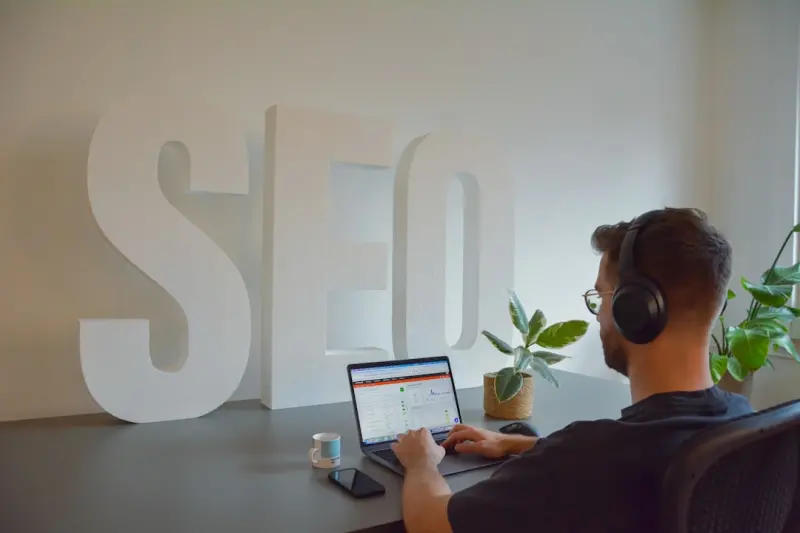
Why On-Page SEO Still Matters in a Fast‑Paced World
When I first started optimizing pages, I was obsessed with rankings, not realizing that search engines reward relevance and user experience above sheer speed. Over time I learned that a well‑crafted page tells a story, aligns with intent, and invites visitors to linger, which in turn signals quality to Google’s algorithms. The lesson is simple: if you design your content with patience and purpose, the traffic will follow, and the metrics will reflect a healthier, more sustainable site.
Crafting Intent‑Focused Content
Every piece of copy begins with a question: what does my reader truly need at this moment? I spend time mapping out primary and secondary keywords, then weave them naturally into a narrative that answers the core query while anticipating follow‑up concerns. By using clear, concise headings and breaking the text into digestible chunks, I keep the eye‑tracking smooth and the bounce rate low—two factors that search engines love.
Meta Tags that Speak the User’s Language
While headlines grab attention, the meta title and description act as the quiet handshake that convinces a searcher to click. I treat them as miniature ads, injecting the main keyword, a compelling value proposition, and a hint of urgency without resorting to click‑bait. When done right, the meta description becomes a promise that the page fulfills, boosting both click‑through rates and dwell time.
Design Principles that Boost On‑Page Signals
In my recent deep‑dive into Embracing Slow Living in Modern Web Design, I discovered that visual harmony and intentional spacing reduce cognitive overload, allowing search engines to better interpret the page structure. By opting for clean, semantic HTML, meaningful alt attributes, and descriptive aria‑labels, you create a canvas that both users and crawlers can navigate effortlessly.
Images, Speed, and the Slow‑Living Mindset
High‑resolution images showcase your brand, but they can also slow down load times—a critical ranking factor. I compress files, serve next‑gen formats, and implement lazy loading, all while preserving visual integrity, because speed does not have to sacrifice quality. The result is a page that loads swiftly, retains aesthetic appeal, and signals to Google that you respect the visitor’s time.
Internal Linking with Purpose
Strategic internal links act as pathways that guide both users and search bots to related content, strengthening topical authority. I anchor links with natural language, avoiding generic “click here” phrasing, and I limit each page to a handful of well‑chosen connections to maintain relevance. For example, linking to The Slow‑Living Blueprint for Sustainable Link Building not only reinforces the theme but also distributes link equity efficiently.
Technical Tweaks that Elevate On‑Page SEO
Beyond content and design, technical foundations determine whether a page can be crawled, indexed, and ranked. I audit my markup for proper heading hierarchy, ensure canonical tags eliminate duplicate content, and verify that structured data reflects the page’s intent—whether it’s an article, product, or FAQ. These behind‑the‑scenes adjustments create a clear signal chain from the page to the search engine.
Schema Markup for Rich Results
Implementing schema.org vocabulary transforms ordinary listings into rich snippets, boosting visibility and click‑through rates. I focus on Article and FAQ types for blog posts, embedding concise, accurate JSON‑LD that mirrors the on‑page content. When Google displays a star rating, image, or date directly in the SERP, it validates the effort you put into crafting a high‑quality page.
Balancing Patience with Performance
In the hustle of digital marketing, it’s tempting to chase instant wins, but the Business Case for Living: Why Patience Beats Speed reminds us that long‑term growth stems from steady, deliberate optimization. By scheduling regular audits, updating evergreen content, and monitoring Core Web Vitals, you build a resilient site that adapts to algorithm changes without frantic overhauls.

Amanda is a passionate writer exploring a kaleidoscope of topics from lifestyle to travel and everything in between.
Related Posts

Optimizing Your Website for Voice Search: The Future of On-Page SEO
Learn how to optimize your website for voice search and stay ahead of the competition with our exper... Read More

Designing On-Page SEO for Accessibility and Human‑Centric Experiences
Discover why accessibility is a vital on‑page SEO factor, with actionable steps, tools, and case s... Read More
Beyond Keywords: The New Science of On-Page SEO for SaaS
A deep dive into modern on‑page SEO for SaaS, covering intent‑first architecture, structured dat... Read More
Top Posts

Unlocking Peak Performance: Biofeedback, Breathwork, and Micro‑Breaks
A practical guide to integrating biofeedback, breath techniques, and micro‑breaks into daily work life, turning physiological data into actionable wellness ha...Read More

The 15 Best GEO Agencies for B2B SaaS
In the hyper‑competitive world of B2B SaaS, every lead, every conversion, and every retention metric matters. While product excellence and pricing strategy ar...Read More

Raising a Generation of Eco-Warriors: Why Sustainable Living Matters for Kids
Discover the importance of sustainable living for kids and how parents can instill eco-friendly habits to create a healthier planet for future generations....Read More

Nurturing Connection: A Fresh Playbook for Intentional Relationships
Learn how to cultivate sustainable relationships using three core pillars—purposeful presence, reciprocal curiosity, and boundary co‑creation—and turn rel...Read More
0 Comments
Post Comment
You will need to Login or Register to comment on this post!