

When I first started tinkering with on‑page SEO for SaaS products, I thought the battle was won by sprinkling the right keywords into a blog post and calling it a day. Spoiler: it’s not. The modern SERP is a living, breathing ecosystem where search engines reward relevance, intent, and experience the same way they reward speed and security. In this deep dive, I’ll walk you through the emerging pillars of on‑page SEO that go far beyond “keyword density” and show how you can future‑proof your SaaS site for the next wave of intelligent search.
1. Intent‑First Content Architecture
Search engines have become master detectives of user intent. They don’t just look at a single query; they analyze the whole journey. For SaaS, this means mapping every piece of content to a specific stage of the buyer’s journey—awareness, consideration, decision, and post‑purchase.
Start by creating a content matrix that pairs buyer personas with intent categories. For example, a CTO researching “scalable API management” is at the consideration stage, while a marketing manager looking for “quick ROI dashboards” is in the decision phase. Each matrix cell should have a dedicated landing page that answers that exact intent with deep, data‑driven answers, not generic fluff.
When you design pages with intent at the core, you’ll naturally embed the right semantic signals—LSI terms, related questions, and contextual links—making it easier for Google’s algorithms to match your page to the user’s query.
2. Structured Data: The Secret Sauce for SaaS
Structured data is no longer a nice‑to‑have; it’s a must‑have for SaaS sites that want to stand out in rich results. By implementing Zero‑Trust Security Playbook for WordPress Sites concepts, you already understand the importance of precise, machine‑readable signals. Apply that same rigor to your SEO.
- Product schema: Highlight pricing tiers, feature lists, and user ratings directly in the SERP.
- FAQ schema: Turn your support knowledge base into visible Q&A snippets that answer long‑tail questions.
- Review schema: Showcase customer testimonials with star ratings to boost click‑through rates.
When done correctly, structured data can increase organic CTR by up to 30% because users see the exact information they need before they even click.
3. AI‑Ready Content: Writing for Machines and Humans
With AI models now powering both search ranking and answer generation, your content must be both human‑friendly and AI‑compatible. Here’s how to strike that balance:
- Clear hierarchy: Use descriptive headings (H2, H3) that outline the logical flow of ideas. AI parsers love a well‑structured outline.
- Fact‑first paragraphs: Lead with the answer in the first 40 words. This satisfies “position zero” snippets and helps AI models extract concise answers.
- Data‑rich examples: Embed tables, charts, and JSON‑LD snippets. AI loves quantifiable data and can surface it in featured snippets.
Remember, the goal isn’t to trick the algorithm; it’s to serve the user’s query in the cleanest, most digestible form possible.
4. Core Web Vitals Meet UX Writing
Google’s Core Web Vitals (LCP, FID, CLS) are now baseline metrics, but they’re only part of the story. A page that loads fast but leaves a visitor confused will still suffer high bounce rates, signaling poor relevance.
Combine performance with UX copywriting. For example, a loading spinner that says “Pulling the latest integration metrics…” not only informs the user but also reinforces keyword relevance. Pair this with a progressive content reveal strategy: load essential text first, then lazily load heavy diagrams or code samples.
By weaving UX messaging into performance optimization, you align user satisfaction with search engine expectations, creating a virtuous feedback loop that boosts rankings.
5. Internal Linking as an Intent Map
Traditional internal linking was often a scattergun approach—just drop a few links to boost PageRank. Modern SEO demands intent‑driven linking.
Start by auditing every high‑traffic page and ask: “Which downstream question does this page answer?” Then, link to a page that fulfills that next question. Use descriptive anchor text that mirrors the user’s next likely search phrase.
For instance, a “Feature Comparison” page might link to a “Pricing Calculator” with anchor text like “Calculate your SaaS ROI based on our tiered pricing”. This not only guides the visitor deeper into the funnel but also gives search engines a clear semantic path to follow.
6. Multimedia SEO: Optimizing Video, Audio, and Interactive Demos
SaaS buyers love demos—whether it’s a 30‑second product video or an interactive sandbox. Yet many sites neglect the SEO potential of these assets.
Here’s a quick checklist:
- Video transcripts: Publish full transcripts alongside the video. Search engines index the text, and users with accessibility needs get a better experience.
- Schema markup: Use
VideoObjectschema to surface thumbnails and duration in search results. - Interactive demo URLs: Treat each demo as a unique page with its own
title,meta description, andstructured data. This allows Google to index the demo itself, not just the landing page that hosts it.
Optimized multimedia can capture voice‑search queries like “show me a quick demo of API rate limiting” and land you on the first page of results.
7. Voice Search and Conversational Phrasing
Voice assistants are becoming a primary discovery tool for busy professionals. To capture this traffic, you must think in questions, not keywords.
Develop a “question bank” based on real sales calls and support tickets. Then, craft dedicated FAQ pages that answer these questions in natural, conversational language.
For example, instead of a generic heading “API Limits”, use “What are the API request limits for each pricing tier?” This mirrors the phrasing a user would speak aloud, increasing the likelihood of a voice‑search match.
8. Content Freshness Signals Without Churn
Google rewards freshness, but for SaaS documentation, frequent rewrites can break links and confuse users. The solution is a layered update strategy:
- Core content: Keep the main narrative stable—this is your evergreen SEO foundation.
- Data widgets: Pull live stats (e.g., number of integrations, uptime percentages) from your API and embed them via JavaScript. This signals freshness without altering the HTML.
- Change logs: Add a “What’s New” section at the bottom of each page that auto‑updates with release notes. Use
dateModifiedstructured data to inform search engines.
This approach satisfies Google’s freshness algorithm while preserving the integrity of inbound links and user expectations.
9. Security Signals as Ranking Factors
Security isn’t just a compliance checkbox; it’s a ranking signal. While the Zero‑Trust Security Playbook for WordPress Sites guides you on hardening your site, make sure you surface those protections to both users and crawlers.
Display HTTPS badges, security certifications, and privacy policy links prominently. Add rel="noopener" and rel="noreferrer" to outbound links, and use the Content‑Security‑Policy header to reduce the risk of injection attacks. A secure site fosters trust, reduces bounce rates, and signals to Google that your pages are safe to rank.
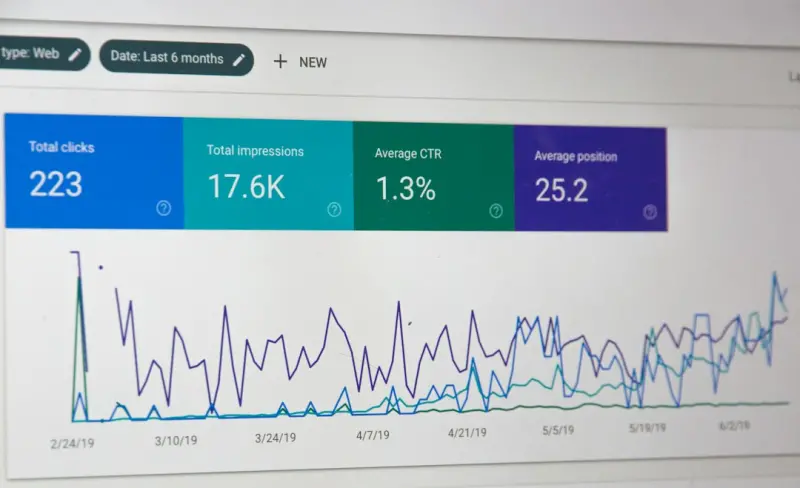
10. Measuring Success: The KPI Dashboard You Need
All the tactics in the world are useless without proper measurement. Build a KPI dashboard that tracks:
- Organic traffic by intent stage: Use Google Analytics segments to see which pages attract awareness vs. decision‑stage users.
- SERP features captured: Monitor the number of featured snippets, FAQ boxes, and video carousels you own.
- Core Web Vitals trends: Watch LCP, FID, and CLS over time to correlate performance improvements with traffic spikes.
- Engagement metrics: Bounce rate, dwell time, and conversion rate per page give you a holistic view of content effectiveness.
When you tie these metrics back to revenue (e.g., MQLs generated from a product schema page), you can prove the ROI of your on‑page SEO investments to leadership.
Putting It All Together
On‑page SEO for SaaS is no longer a checklist of meta tags and keyword stuffing. It’s an interdisciplinary practice that blends intent mapping, structured data, AI‑ready content, performance, security, and user experience. By treating each page as a micro‑conversion engine—optimizing for both humans and machines—you’ll not only climb the rankings but also accelerate the buyer’s journey.
Start with a single pillar that feels most relevant to your current challenges—perhaps structured data or voice‑search optimization—and iterate. SEO is a marathon, not a sprint, but with these modern tactics in your toolkit, you’ll be well positioned to dominate the search landscape while delivering genuine value to your SaaS audience.

Jessica Gills is a freelance writer carving a niche for herself by empowering others through her words. With a focus on careers, self-development, and business, she helps readers navigate the complexities of the modern professional landscape.
Related Posts

The Human‑First Blueprint for On‑Page SEO Success
Discover a fresh, human‑centric approach to on‑page SEO that leverages cognitive load theory, se... Read More
Turning On‑Page SEO Into a User‑Centric Experience
A fresh take on on‑page SEO that treats each page as a user‑centric canvas, merging intent mappi... Read More

Optimizing Your Website for Voice Search: The Future of On-Page SEO
Learn how to optimize your website for voice search and stay ahead of the competition with our exper... Read More
Top Posts

The Secret Playbook for Building a Brand That Lives in the Mind
A deep dive into the hidden costs of inconsistency, the power of archetypes, sensory branding, and community co‑creation, revealing a playbook to make your br...Read More

What Happens to Your Blood Pressure When You Drink Coffee Every Day?
Coffee, the beloved morning ritual for millions, is more than just a pick-me-up; it's a complex brew of chemicals that interact with our bodies in myriad ways. ...Read More

Navigating the Sophisticated Landscape of Modern Virus Programs & Cybersecurity
In the early decades of the personal computing revolution, the concept of a "computer virus" was often viewed with a sense of novelty-a digital prank or a local...Read More

The Evolution of Online Shopping: Trends and Insights
The world of online shopping has undergone a significant transformation over the years. From its humble beginnings to the current state of affairs, e-commerce h...Read More
0 Comments
Post Comment
You will need to Login or Register to comment on this post!