
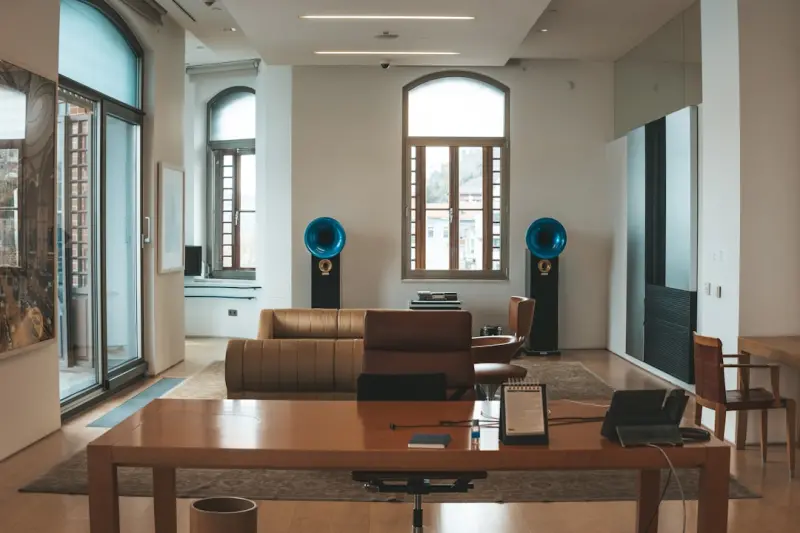
When the buzz of the city drifts through the walls and the echo of a hallway feels like a concert hall, you know something’s off. I’ve spent countless weekends wrestling with paint swatches and power tools, but the biggest breakthrough in my recent home overhaul didn’t come from a new coat of paint or a sleek countertop. It came from listening—literally.
Why Acoustic Comfort Is the New Cornerstone of Home Improvements
Most homeowners focus on visual appeal: the right shade of gray, the perfect tile pattern, the trendiest kitchen island. While aesthetics are undeniably important, they’re only half the story. Acoustic comfort—the way sound behaves in your space—directly impacts your mood, productivity, and even health.
Think about it: a home office that reverberates every keystroke can make a simple email feel exhausting. A living room that amplifies the hum of the refrigerator can drown out a favorite podcast. By treating sound the same way we treat lighting—by shaping, controlling, and enhancing it—we unlock a level of comfort that traditional remodels simply overlook.
Step‑One: Map the Sound Landscape of Your Home
Before you buy any acoustic panels or install new windows, you need a clear picture of how sound travels in your house. I call this the sound audit, and it only takes a Saturday morning.
- Identify hot spots. Walk through each room and note where noises bounce or get amplified. Pay special attention to hard surfaces—glass, concrete, and bare wood are prime reflectors.
- Listen for the bleed. Open a door or window and listen for sounds leaking from adjacent spaces. This will tell you where isolation is most needed.
- Use a simple tool. A smartphone’s voice‑memo app can serve as a basic decibel meter. Record a 30‑second clip in each room and compare the waveforms; spikes indicate excessive reverberation.
Armed with this data, you can prioritize which rooms deserve immediate acoustic upgrades—usually the home office, media room, and any open‑plan area where conversation and concentration intersect.
Step‑Two: Choose Materials That Both Absorb and Reflect Smartly
Not all sound‑absorbing materials are created equal. The key is to blend absorption with controlled diffusion, preserving natural ambience while muting unwanted echo.
- Acoustic panels. Modern panels come in fabric‑wrapped designs that double as art. Look for products with a Noise Reduction Coefficient (NRC) of 0.7 or higher for maximum absorption.
- Soft furnishings. A plush rug, heavy curtains, and upholstered furniture can dramatically lower reverberation without any construction.
- Diffusers. These are irregular surfaces (often made from wood) that scatter sound waves, preventing harsh reflections while keeping the room lively.
If sustainability is a priority—as it should be in any responsible remodel—you can source panels made from recycled denim or reclaimed wood. For more on marrying sustainability with design, check out sustainable building practices.
Step‑Three: Seal the Gaps—Acoustic Insulation for Walls and Floors
Much of the noise that travels between rooms seeps through gaps in insulation, electrical outlets, and even the tiniest cracks in drywall. Upgrading your insulation isn’t just about thermal performance; it’s also a silent guardian.
Here are my go‑to solutions:
- Mineral wool batts. They offer superior sound absorption compared to fiberglass and are fire‑resistant.
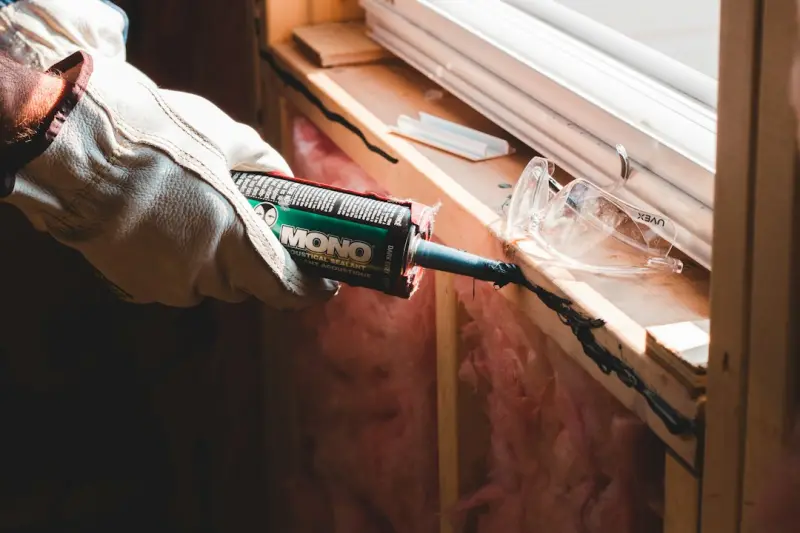
- Acoustic sealant. Apply this around window frames, baseboards, and outlet boxes to block low‑frequency noise.
- Floating floors. Installing a sub‑floor with resilient channels can isolate impact noise from foot traffic—a must‑have for multi‑level homes.
Step‑Four: Integrate Smart Technology for Dynamic Sound Management
Smart homes aren’t just about lighting or thermostats anymore. The next frontier is adaptive acoustics—systems that monitor ambient sound and adjust settings in real time.
Here’s a simple setup that I installed in my own office:
- Sound sensor hub. A tiny microphone connected to a home automation hub (like Home Assistant) constantly measures decibel levels.
- Motorized acoustic panels. These panels tilt or rotate based on sensor input, directing sound absorption where it’s needed most.
- Smart speakers. Integrated with the hub, they can play white‑noise or ambient soundscapes to mask external disturbances.
If you’re already leveraging remote work tools, you’ll appreciate the synergy with remote collaboration rituals—a quiet, focused environment translates directly into more productive virtual meetings.
Step‑Five: Design Multi‑Functional Spaces with Acoustic Zones
Modern homes are shifting away from single‑purpose rooms toward fluid zones that can transition from work to leisure. By creating distinct acoustic zones, you allow each activity its own sound environment without physical walls.
Consider these strategies:
- Portable acoustic dividers. Heavy‑fabric folding screens can absorb sound and be moved as needed.
- Zone‑specific flooring. Soft cork in a yoga corner versus hardwood in a dining area helps differentiate sound profiles.
- Targeted speaker placement. Using directional speakers, you can deliver immersive audio to a specific spot while keeping adjacent zones quiet.
Step‑Six: Budget‑Friendly Hacks That Deliver Big Returns
You don’t need a full‑scale renovation to reap acoustic benefits. Here are a few low‑cost tricks I’ve tested:
- Bookcase barrier. Fill a tall bookshelf with books and place it against a shared wall; the mass dampens sound transmission.
- Heavy drapes. Swap out light curtains for thick, floor‑to‑ceiling options. They act as both visual and acoustic insulators.
- DIY panel kits. Purchase acoustic foam and cover it with fabric of your choice for a custom look that matches your décor.
Even small adjustments, like adding a rug under a coffee table, can cut reverberation by up to 30 % in a typical living room.
Step‑Seven: Future‑Proof Your Home With Scalable Acoustic Solutions
Acoustic design is not a one‑time fix; it evolves with your lifestyle. When I first started my remodel, I anticipated future needs—like a growing family, an expanding home office, or a home theater upgrade.
Here’s how to keep your acoustic infrastructure adaptable:
- Modular panels. Choose systems that can be re‑arranged or expanded without major demolition.
- Hidden conduit. Run wiring for future speakers or sensors inside walls or floor cavities during the initial build.
- Documentation. Keep a simple diagram of acoustic treatments and sensor placements; this makes upgrades or troubleshooting painless.
Case Study: Turning My Living Room Into a Dual‑Purpose Hub
My own living room used to be a noisy battleground—kids playing, the TV blaring, and my partner on conference calls. After applying the steps above, the space now toggles effortlessly between a vibrant family zone and a quiet work nook.
Key changes included:
- Installing fabric‑wrapped acoustic panels on the side wall facing the street.
- Adding a motorized diffuser that swings open during family movie nights and closes while I’m on a video call.
- Replacing the old hardwood floor with a cork underlayment topped by a plush rug, which reduced footstep noise by 40 %.
The result? My partner reports a 50 % reduction in background chatter during calls, and our kids love the new “movie‑mode” ambiance. It’s a win‑win that demonstrates how thoughtful acoustic upgrades can serve multiple household members.
Putting It All Together: A Checklist for Your Acoustic‑Smart Remodel
To keep you on track, here’s a concise checklist you can print and paste on your fridge:
- Conduct a sound audit of each room.
- Identify priority zones (home office, media room, open‑plan area).
- Select high‑NRC acoustic panels and sustainable materials.
- Upgrade insulation and seal gaps with acoustic sealant.
- Install a smart sound sensor hub and integrate with existing automation.
- Design acoustic zones using portable dividers and zone‑specific flooring.
- Implement budget‑friendly hacks (bookcase barrier, heavy drapes, DIY panels).
- Plan for scalability with modular systems and hidden conduits.
- Document the layout and test each zone after installation.
Following this roadmap, you’ll create a home that feels as good to listen to as it looks to see.
Final Thoughts: Listening Is the Ultimate Form of Care
Home improvement isn’t just about the visual impact; it’s about crafting an environment that nurtures well‑being. By embracing acoustic‑smart upgrades, you’re not only reducing noise pollution—you’re fostering concentration, relaxation, and deeper connections with the people you share your space with.
So next time you pick up a hammer, consider what you might be hearing—or not hearing—in the room you’re working on. That’s where the real transformation begins.

David Moore is a freelance writer specializing in two dynamic and ever-evolving fields: gambling and the tech industry. With a keen eye for detail and a knack for unraveling complex topics, David delivers insightful and engaging content that keeps readers informed and entertained.
Related Posts
Invisible Storage Solutions for Stylish Homes
Learn how to hide clutter using recessed niches, sliding panels, and low‑code tech, creating a cle... Read More

Power‑Independent Home Renovations: Turning Every Upgrade Into Energy Autonomy
Learn how to integrate solar‑ready roofing, battery storage, and smart devices into your next home... Read More

Reviving Your Home: Small-Scale Upgrades That Pack a Big Punch
Karen shares practical, low‑cost upgrades—from layered lighting to peel‑and‑stick flooringâ€... Read More
Top Posts

The Shadow Network: FBI Warns of Violent Online Group '764' Preying on Vulnerable Youth
In the ever-evolving digital landscape, where connection and entertainment often intertwine, a dark undercurrent poses a severe threat to our most vulnerable: o...Read More

Why Building a Skill Buffer Is the Smartest Career Move Right Now
A skill buffer—a collection of adjacent technical, cross‑functional, and soft skills—acts like career insurance, helping professionals adapt to industry s...Read More

The Evolution of Celebrations: How Technology is Changing the Way We Mark Special Occasions
Technology is transforming the way we celebrate special occasions, from digital invitations to social media sharing and e-commerce. Learn about the evolution of...Read More

The Rise of Scams in the Digital Age: How to Protect Yourself
Scams are on the rise in the digital age. Learn how to spot a scam and protect yourself with these expert tips and resources. Stay safe online and avoid falling...Read More
0 Comments
Post Comment
You will need to Login or Register to comment on this post!