

When I first stepped into a fully remote role, the biggest thing I missed wasn’t the coffee machine or the occasional hallway chat—it was the spontaneous, low‑key celebrations that punctuated the workweek. A birthday cake appearing in the breakroom, a quick “cheers” after a big client win, or an impromptu Friday‑night dance‑off. Those moments stitched a sense of belonging into the fabric of an otherwise digital workplace. In the years since, I’ve watched companies scramble to replace those organic rituals with Zoom‑based shout‑outs, digital badge systems, and surprise care packages. Some have nailed it; many still feel like a forced after‑thought. This post is a deep dive into the why, the how, and the future of celebrating in a distributed world—crafted from my own trial‑and‑error, and the stories of teams that have turned celebration into a strategic advantage.
Why Celebration Still Matters When the Office Is Virtual
Celebration is more than a feel‑good add‑on; it’s a neuro‑chemical catalyst. When we share a laugh or acknowledge a milestone, our brains release dopamine and oxytocin, reinforcing trust and commitment. In a physical office, these spikes happen naturally—think of the collective sigh of relief after a project demo, or the shared applause when a colleague gets a promotion. In a remote setting, those cues are muted, which can inadvertently erode morale over time. The lack of visible recognition can also fuel the silent “out‑of‑sight, out‑of‑mind” syndrome, where remote contributors feel overlooked despite delivering high‑impact work.
Beyond the science, celebrations serve a cultural purpose. They signal what the organization values, whether it’s speed, creativity, or teamwork. A well‑orchestrated celebration can communicate that a particular behavior—say, cross‑functional collaboration—deserves applause, nudging the entire team toward that ideal. In short, without intentional celebration, we risk losing the invisible glue that holds distributed teams together.
From Virtual Happy Hours to Thoughtful Tokens: The New Celebration Toolbox
There’s no one‑size‑fits‑all playbook, but I’ve found a handful of tactics that consistently hit the mark. Below are the tools I’ve curated, tested, and refined with my own squads and partners.
- Micro‑Moments of Praise. Instead of waiting for a quarterly review, use real‑time chat channels to give shout‑outs. A simple “Kudos to Maya for crushing the onboarding flow—your quick iteration saved us weeks!” can ripple through the team’s morale.
- Digital Toasts. Schedule a 10‑minute “virtual coffee break” right after a big win. Keep it light—bring a drink, share a quick story, and let the whole group revel in the achievement. The key is brevity; no one wants a marathon meeting after a sprint.
- Surprise Care Packages. A curated box of snacks, a handwritten note, or even a custom‑printed mug arrives at a remote employee’s doorstep. It transforms an abstract “thank you” into a tangible experience.
- Celebration Boards. Create a public Kanban board where milestones—project launches, personal birthdays, work anniversaries—are visually tracked. Team members can add emojis, GIFs, or short videos, turning the board into a living scrapbook.
- Gamified Recognition. Award digital “badges” that unlock quirky perks, like a “Lunch on Me” voucher or a “Choose the Next Team‑Building Activity” token. The gamification element adds an element of fun while reinforcing desired behaviors.
These ideas are not isolated; they feed into each other, creating a virtuous cycle of appreciation. For instance, a micro‑moment of praise can later be celebrated on the board, and the badge earned from that recognition may earn the recipient a surprise care package.
Designing a Celebration Blueprint That Scales
When you’re leading a team of ten, a Slack shout‑out might be enough. When you’re guiding a global organization with hundreds of contributors, you need a more systematic approach. Below is a three‑layer framework that helps you scale celebration without losing authenticity.
- Strategic Layer. Align celebrations with company values. If “customer obsession” is a core tenet, tie recognitions directly to customer feedback or net promoter scores. This ensures that every applause serves a larger purpose.
- Operational Layer. Define the cadence and channels. Decide which moments deserve a quick Slack ping, which require a dedicated Zoom celebration, and which merit a physical token. A clear matrix prevents duplication and fatigue.
- Tactical Layer. Empower managers and peers with a “celebration kit.” Include templates for shout‑outs, a list of approved gift vendors, and a set of emojis or GIFs that reflect the brand’s personality. The kit removes friction, making it easy for anyone to participate.
When you embed celebration into the workflow, you turn it from a sporadic event into a predictable rhythm—much like sprint reviews or stand‑ups. And because the system is value‑driven, it naturally reinforces the behaviors you most want to see.
Measuring the Ripple Effect of Joy
Any strategic initiative needs metrics, and celebration is no exception. While it may feel counterintuitive to quantify happiness, doing so provides the insight needed to iterate and improve.
- Engagement Scores. Track participation rates in virtual toasts, board updates, and badge redemptions. A dip could signal “celebration fatigue” or a need to refresh the format.
- Retention Correlation. Compare turnover rates among employees who receive regular recognition versus those who do not. Studies consistently show a strong link between acknowledgment and employee longevity.
- Performance Indicators. Look for spikes in productivity metrics—like sprint velocity or bug‑fix turnaround—following major celebrations. While correlation isn’t causation, patterns can inform future planning.
Data collection doesn’t have to be invasive. Simple anonymous pulse surveys asking “Did you feel recognized this week?” can surface valuable insights without over‑engineering the process.
Integrating Celebration Into Existing Platforms
Most organizations already use collaboration suites—Slack, Microsoft Teams, or similar. Instead of adding a brand‑new tool, embed celebration features directly into these ecosystems. For example, a Slack bot can automatically post a “Congrats” message when a project milestone is marked as complete in your project management software. Or, a Teams tab can host the celebration board, keeping everything in one place.
When you leverage existing platforms, you reduce adoption friction and ensure that recognition becomes a natural part of daily workflows. It also aligns with the broader trend of building community dialogue across digital touchpoints—making the experience feel seamless rather than forced.
Celebrating Beyond Work: The Whole‑Person Approach
Remote work blurs the line between professional and personal life, which presents an opportunity to celebrate the whole person—not just the output. Acknowledging personal milestones—birthdays, new babies, marathon completions—signals that the organization cares about the individual beyond their role. It also fosters empathy, which can be a powerful catalyst for collaboration.
One simple practice that has yielded big returns is the “Life Wins Friday.” At the end of each week, a dedicated channel invites team members to share any personal triumphs. Whether it’s finally mastering a new recipe or finishing a home‑renovation project, the act of sharing builds camaraderie and reminds everyone that they’re part of a community, not just a collection of remote desks.
Future‑Proofing Your Celebration Culture
As hybrid and fully remote models become the norm, the way we celebrate will continue to evolve. Emerging technologies—virtual reality lounges, AI‑driven sentiment analysis—will enable richer, more personalized experiences. Imagine a VR “celebration hall” where teammates from around the globe can gather, raise a virtual glass, and watch a holographic replay of a project’s journey.
While we haven’t yet reached that level of immersion, we can lay the groundwork by adopting practices that are adaptable. Keep the celebration framework flexible, solicit regular feedback, and stay open to experimenting with new formats. In doing so, you ensure that your culture of celebration remains resilient, inclusive, and genuinely joyful.
In the end, the goal isn’t to throw a party every time a task is completed. It’s to embed a sense of shared pride and belonging into the everyday rhythm of work. When teams feel seen, heard, and celebrated, they’re more likely to go the extra mile, collaborate across borders, and stay with the organization for the long haul. So, the next time you’re planning a product launch or wrapping up a sprint, ask yourself: “How can we turn this moment into a celebration that fuels our collective spirit?” The answer, I’ve learned, is as simple as a sincere acknowledgment—delivered with thoughtfulness and a dash of creativity.
For those curious about how celebrations intersect with broader organizational strategies, consider exploring how companies are sustainable travel experiences or leveraging the subtle power of shared rituals to reinforce brand values. The underlying principle is the same: intentional, value‑driven moments that bring people together, even when they’re miles apart.

Armed with a degree in English Literature, Jill’s journey into the digital space wasn't just a career move; it was a natural extension of her lifelong love affair with storytelling. While some writers view search engine optimization (SEO) as a rigid constraint, Jill sees it as a creative puzzle. She understands the delicate art of balancing the algorithmic demands of search engines with the human desire for resonance, emotion, and value. To Jill, keywords aren't just targets to hit; they are the breadcrumbs that lead eager readers straight to the answers they’ve been searching for.
Related Posts
The Evolution of Celebrations: How Sustainable Living Influences Modern Festivities
The way we celebrate is undergoing a significant transformation. Sustainable living practices are be... Read More
Celebrating With Purpose: Sustainable Festivities for Modern Teams
A deep dive into how modern teams can craft memorable, sustainable celebrations that honor diversity... Read More

Reimagining Workplace Celebrations for the Hybrid Era
In a world where half the team logs in from home and half gathers in the office, traditional celebra... Read More
Top Posts

The Audio‑First Social Playbook for B2B SaaS Growth
Explore the rise of audio‑first social feeds and learn actionable tactics for integrating voice content into your B2B SaaS marketing mix, from live Q&A rooms ...Read More
Human‑First On‑Page SEO: Storytelling, Structure, and Search Success
Learn a fresh, human‑first framework for on‑page SEO that combines narrative architecture, semantic HTML, visual hierarchy, and strategic linking to improve...Read More
The Unplugged Parenting Playbook: Reclaim Real Connection
A guide for parents to create screen‑free zones, share meals, and turn nature into a classroom, empowering children to develop real connection and curiosity....Read More
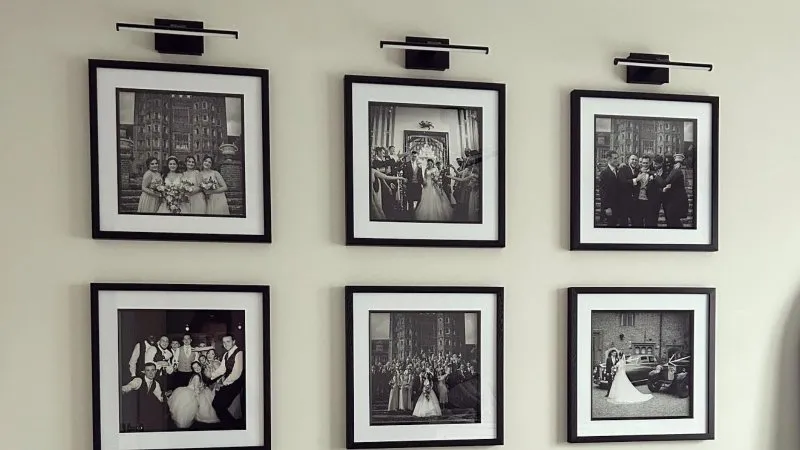
Light Up Your Home With New Wall Art
The art of home decoration is not just about filling up empty spaces with objects; it's about creating a unique ambiance that reflects your personality and enha...Read More
0 Comments
Post Comment
You will need to Login or Register to comment on this post!