

Why Your Next Home Renovation Should Be a Power‑Independent Hub
When I first tackled a bathroom remodel in a cramped city apartment, I quickly realized that most DIY guides focus on aesthetics—tiles, fixtures, paint colors. Those are important, but they miss the bigger picture: energy autonomy. Imagine a home that not only looks good but also produces its own electricity, stores it efficiently, and uses smart controls to keep the lights on, the fridge humming, and the Wi‑Fi blazing—no matter what the grid throws at you. This isn’t a futuristic fantasy; it’s a practical, achievable upgrade that turns any renovation into a long‑term asset.
Reframing Renovation as an Energy Strategy
Most homeowners approach a remodel as a one‑off expense: “I need a new kitchen, let’s pick the shiniest countertops.” I propose a different mindset: treat each square foot you touch as an investment node in a broader energy ecosystem. By installing solar‑ready roofing, battery storage, and energy‑efficient appliances during a remodel, you amplify the return on every dollar spent. The key is to align your design decisions with the goal of reducing grid dependence while enhancing comfort.
Step 1 – Conduct an Energy Audit Before You Pick Paint
Before you swing a hammer, grab a smart plug or a simple watt‑meter and start logging how much power your current appliances draw. Identify the biggest drains: old refrigerators, baseboard heaters, or an outdated HVAC system. This data‑driven approach mirrors what I often see in the tech world—measure first, then act. If you’re curious about how data can drive smarter choices in unexpected places, check out this real‑time biometrics study for a glimpse of the methodology.
Step 2 – Upgrade the Envelope: Windows, Insulation, and Air Sealing
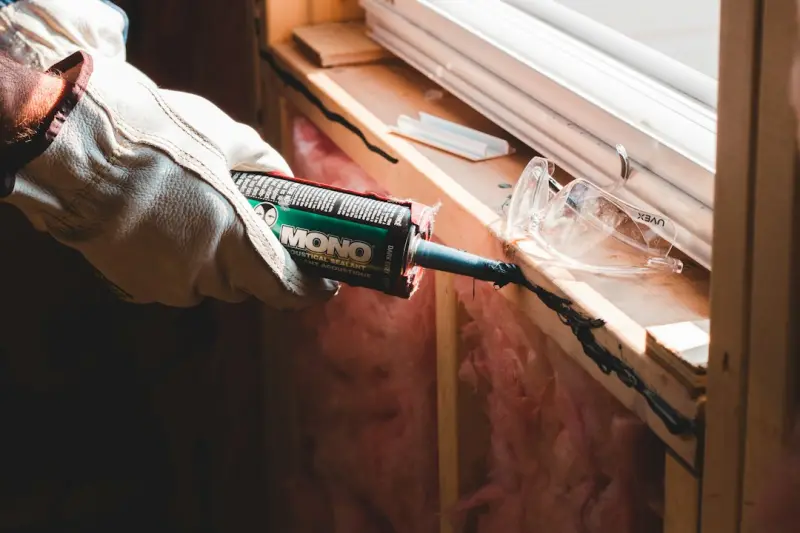
The most cost‑effective way to cut energy use is to stop it from escaping. High‑performance windows with low‑E coatings, blown‑in cellulose insulation, and meticulous air sealing can shave 20‑30% off your heating and cooling bills. While you’re at it, consider adding a thermal break in any exterior doors. These upgrades not only improve comfort but also make the power you generate later in the process more useful—less energy is wasted, so your solar array and battery can focus on truly needed loads.
Step 3 – Integrate Solar‑Ready Roofing
If you’re already tearing off old roofing, why not install a solar‑ready membrane? Modern roofing materials come with pre‑wired conduits and mounting rails, cutting the labor cost of a later solar installation by up to 40%. Even if you don’t install panels immediately, you’ve future‑proofed the house. When the time is right—maybe after you’ve added a battery storage system—you can simply snap panels onto the prepared deck without major structural work.
Step 4 – Choose Battery Storage That Grows With You
Battery technology has exploded in the last few years, moving from niche home backup units to scalable, modular systems that can power an entire house. Look for batteries that support parallel stacking so you can start with a modest 5 kWh unit and add more as your energy needs evolve. Pair this with a smart energy management system that can prioritize loads, shift usage to off‑peak hours, and even sell excess power back to the grid where net metering is available.
Step 5 – Install Smart, Energy‑Aware Devices
Now that the heavy lifting is done, the final layer is a network of intelligent devices that talk to each other. Smart thermostats learn your schedule and adjust HVAC output in real time; Wi‑Fi‑enabled water heaters can heat only when cheap electricity is available; and IoT‑controlled lighting can dim or turn off rooms based on occupancy. Think of this as the strategic anchor that holds your entire energy strategy together, much like dedicated hosting stabilizes a complex multi‑cloud environment.
Step 6 – Leverage AI for Predictive Energy Management
Artificial intelligence isn’t just for chatbots and marketing automation; it can predict your energy consumption patterns and suggest optimal times to charge your battery or run high‑draw appliances. By feeding your historical usage data into a simple AI model, you’ll receive daily recommendations that can shave another 5‑10% off your electric bill. If you’ve ever wondered how AI can act as a silent consultant, you might enjoy reading about ChatGPT as a silent product strategist. The same principles apply when it becomes your silent energy strategist.
Step 7 – Design for Resilience and Future Expansion
Every renovation should leave room for future upgrades. Run conduit pathways in walls and ceilings that can accommodate additional sensors, EV chargers, or even a home micro‑grid. Install a dedicated sub‑panel for high‑power devices like a workshop or a home gym, allowing you to isolate loads and keep your main living spaces on clean energy. This forward‑thinking layout reduces the need for invasive retrofits later and keeps your home adaptable to emerging technologies.
Step 8 – Celebrate the Payoff with Real‑World Metrics
After the dust settles, go back to your smart meters and compare pre‑ and post‑renovation data. You’ll likely see a dramatic dip in grid consumption and an uptick in self‑generated power. Document these numbers and share them with neighbors; community momentum often fuels broader adoption of sustainable practices. And remember, the true value isn’t just the dollar savings—it’s the peace of mind that comes from knowing your home can thrive even when the grid falters.
Putting It All Together
Renovating a home has traditionally been about style, but the most rewarding projects now blend aesthetics with resilience. By treating each improvement as a node in an energy‑independent network, you turn ordinary upgrades into a strategic advantage. The result? A living space that looks great, runs cheaper, and stands strong against power outages—a true win for comfort, finances, and the planet.

Ryan Stuart is a seasoned freelance features writer, editor, and professional photographer with a passion for exploring the world and capturing its beauty through words and images.
Related Posts

Acoustic Upgrades: The Quiet Revolution in Home Comfort
Acoustic improvements transform homes into peaceful, productive sanctuaries. Learn budget‑friendly... Read More
Invisible Storage Solutions for Stylish Homes
Learn how to hide clutter using recessed niches, sliding panels, and low‑code tech, creating a cle... Read More

Lighting the Way: Adaptive Light Zones for a Smarter Home
Adaptive lighting zones turn ordinary rooms into responsive spaces, enhancing mood, productivity, an... Read More
Top Posts

Empowering the Next Generation: Navigating the Modern World with Today's Teens
Today's teens face a rapidly changing world. This article explores how to balance digital life with real-world connections, support their mental wellness, and e...Read More

When should you switch to winter tires?
As autumn's vibrant palette begins to fade and the crispness in the air hints at colder days, a critical question invariably emerges for responsible motorists: ...Read More

Digital Minimalism for Parents: Taming Screen Time Without Guilt
Discover a fresh approach to managing kids' screen time by shifting from strict limits to purposeful curation, with practical routines, shared digital moments, ...Read More

Navigating Tomorrow's Tides: Mastering Your Career in an Age of Unprecedented Change
The future of work is here, and it's evolving fast. Brad Hays shares essential strategies for mastering your career in an age of unprecedented change, from harn...Read More
0 Comments
Post Comment
You will need to Login or Register to comment on this post!