
Why Bing Matters Today
Bing has quietly reclaimed a respectable slice of the search market, and its integration with Microsoft’s AI ecosystem means it’s no longer the underdog many assume. Marketers who ignore Bing are leaving money on the table, especially as the platform fuels a growing portion of enterprise traffic through Windows, Edge, and the new AI‑driven Bing Chat. In this piece I’ll walk you through the tactics that let you capture that audience without reinventing the wheel.
Decoding Bing’s Ranking DNA
While Google’s algorithmic playbook dominates headlines, Bing leans on a distinct set of signals that reward relevance, site authority, and user intent in subtle ways. It places heavier emphasis on metadata quality, on‑page keyword density, and especially the freshness of content as measured by its own crawl frequency. Understanding these nuances lets you tailor your SEO strategy to the engine that actually powers millions of daily searches.
AI‑Powered Keyword Mining with Bing Chat
One of Bing’s most exciting features is the conversational AI that can surface keyword ideas in real time, turning a vague topic into a precise list of long‑tail phrases. By prompting Bing Chat with industry‑specific scenarios you can uncover queries that Google’s Keyword Planner often overlooks, and you can even gauge user intent through the AI’s contextual explanations. Pair this approach with proven AI‑powered SEO strategies to accelerate content planning and stay ahead of the competition.
Schema and Rich Results on Bing
Structured data remains a powerful lever on Bing, but the engine interprets schema markup slightly differently, rewarding clear, concise implementations over overly complex code. Focus on core types like Article, FAQ, and Product, ensuring each property aligns with Bing’s documentation to trigger rich snippets in the SERPs. When Bing recognizes your markup, you’ll see enhanced visibility that can boost click‑through rates without any additional ad spend.
Mastering Bing Webmaster Tools
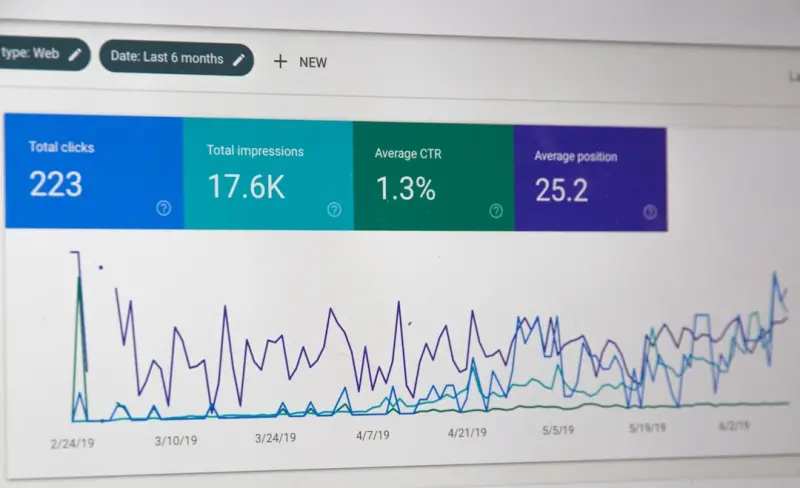
The Bing Webmaster Dashboard offers a treasure trove of insights that many SEO professionals neglect, from crawl error diagnostics to detailed keyword performance charts unique to the platform. Use the “Site Scan” feature to identify broken links, missing alt text, or thin content that could be dragging down your rankings, then prioritize fixes based on the tool’s impact score. Regularly reviewing the “SEO Reports” section helps you monitor indexation health and adjust your strategy before issues become costly.
Image and Visual Search Optimization
Bing’s visual search capability is gaining traction, especially for e‑commerce sites where shoppers rely on image matching to discover products. To capitalize, ensure every image includes descriptive file names, concise alt attributes, and is hosted on a fast, CDN‑enabled server. Additionally, implement ImageObject schema and leverage Bing’s “Image Insights” report to track impressions, clicks, and the keywords driving visual traffic.
Local Visibility via Bing Places
Local businesses can dominate the Bing Maps pack by claiming and optimizing their Bing Places listings, a process that mirrors Google My Business but with fewer competitors for prime slots. Fill out every field—hours, services, photos, and a compelling business description—then encourage satisfied customers to leave reviews directly on the platform. Consistency across NAP (Name, Address, Phone) data on your website and Bing Places signals trust, helping you rise to the top of local queries.
Content Trust Signals for Bing
Bing’s algorithm places a premium on E‑E‑A‑T—Experience, Expertise, Authority, and Trust—yet it evaluates these factors through a slightly different lens than Google, often looking at citation quality and the depth of author bios. Craft content that showcases real‑world experience, cite reputable sources, and embed author credentials prominently. For persuasive copy that converts, consider the psychology of high‑converting copy, blending data‑driven language with clear calls to action.
Action Plan for Immediate Wins
Start by auditing your site in Bing Webmaster Tools, fixing any crawl errors and updating metadata to meet Bing’s standards. Next, run a series of prompt‑based queries in Bing Chat to expand your keyword list, then embed structured data for the top‑performing pages. Finally, claim your Bing Places profile, optimize images for visual search, and monitor results weekly to iterate quickly. By following these steps you’ll tap into a high‑intent audience that’s often overlooked, turning Bing from a side note into a core pillar of your SEO engine.

David Moore is a freelance writer specializing in two dynamic and ever-evolving fields: gambling and the tech industry. With a keen eye for detail and a knack for unraveling complex topics, David delivers insightful and engaging content that keeps readers informed and entertained.
Related Posts
Bing SEO Secrets: How SaaS Companies Can Capture Untapped Enterprise Traffic
A deep dive into Bing’s unique ranking factors—enterprise intent, LinkedIn data, and AI semantic... Read More
Cracking Bing’s AI Answers: A Tactical Guide for SaaS Marketers
Bing’s AI answer engine offers a high‑value, low‑competition channel for SaaS firms. This guid... Read More
Bing SEO Playbook for B2B SaaS Leaders
A deep dive into Bing’s unique ranking signals, structured data, visual search, and Edge‑first p... Read More
Top Posts

Why Tangible Toys Still Matter in a Screen‑Obsessed World
A deep dive into why hands‑on toys remain essential for mental health, productivity, and cultural connection, offering actionable tips for integrating tactile...Read More

The Art of Celebration: Three Strategic Pillars for Crafting Your Daughter's Unforgettable Birthday Experience
The annual celebration of a daughter’s birthday presents a unique and profound opportunity—a strategic moment for parents to reinforce identity, strengthen ...Read More

Facebook’s Secret Playbook for B2B Lead Generation
Explore a fresh, three‑pillar strategy that leverages Facebook groups, Meta’s AI ad tools, and Marketplace to generate high‑quality B2B leads and drive re...Read More

The Future of Energy: How Sustainable Solutions Are Revolutionizing Our World
The future of energy is undergoing a significant transformation. Learn how sustainable energy solutions are driving innovation, growth, and a more sustainable f...Read More
0 Comments
Post Comment
You will need to Login or Register to comment on this post!