
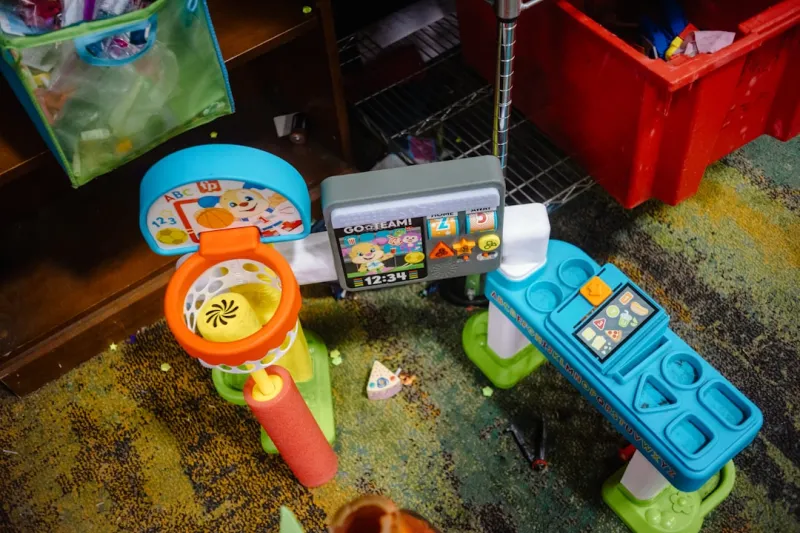
The Evolution of Toys: How Playtime Has Changed Over the Years
As a toy enthusiast and advocate for the importance of play, I'm excited to explore how playtime has evolved over the years. From traditional dolls and action figures to modern electronic gadgets and educational toys, the toy industry has undergone significant changes. In this article, I'll delve into the history of toys, their impact on childhood development, and what the future holds for playtime.
The toy industry has a rich history dating back to ancient civilizations, where toys were made from natural materials like wood, clay, and stone. These early toys not only provided entertainment but also served as tools for learning and skill-building. Fast forward to the Industrial Revolution, and toys began to be mass-produced, making them more accessible to children from all walks of life. The early 20th century saw the rise of iconic toy brands like Lego, Barbie, and G.I. Joe, which have become synonymous with childhood play.
The Power of Play: How Toys Can Shape Our Childhood and Beyond
Play is an essential part of childhood development, and toys play a significant role in shaping young minds. The Power of Play: How Toys Can Shape Our Childhood and Beyond highlights the importance of play in cognitive, social, and emotional development. Toys can foster creativity, problem-solving skills, and social interaction, laying the foundation for future success. However, with the rise of digital technology, playtime has undergone a significant transformation.
The Impact of Digital Technology on Playtime
The advent of digital technology has revolutionized the way children play. Electronic toys, video games, and mobile apps have become increasingly popular, offering a new world of interactive entertainment. While these digital toys offer many benefits, such as improved hand-eye coordination and enhanced cognitive skills, excessive screen time has raised concerns about its impact on mental health. Research has shown that excessive screen time can lead to increased stress, decreased attention span, and decreased physical activity.
The Importance of Balance in Playtime
As a parent or caregiver, it's essential to strike a balance between traditional play and digital play. Encouraging children to engage in outdoor activities, creative play, and social interaction can help mitigate the negative effects of excessive screen time. The Power of Play: How Toys Can Impact Our Mental Wellbeing explores the ways in which toys can promote mental wellbeing, from reducing stress to fostering creativity.
The Future of Toys: Trends and Insights
The toy industry continues to evolve, with a growing focus on sustainability, educational value, and inclusivity. Eco-friendly toys made from recycled materials, toys that promote STEM learning, and toys that celebrate diversity are becoming increasingly popular. As a toy enthusiast, I'm excited to see how the industry will continue to innovate and adapt to changing societal values. One thing is certain – playtime will continue to play a vital role in shaping young minds and fostering a love of learning.
The Intersection of Toys and Mental Health
The intersection of toys and mental health is a growing area of interest. Research has shown that play can have a positive impact on mental wellbeing, reducing stress and anxiety while promoting creativity and self-expression. The Intersection of Branding and Mental Health: A Growing Concern explores the ways in which branding and marketing can impact mental health, including the toy industry.
Conclusion
In conclusion, the evolution of toys has been a remarkable journey, from traditional dolls and action figures to modern electronic gadgets and educational toys. As we look to the future, it's essential to prioritize balance in playtime, encouraging children to engage in a mix of traditional play, digital play, and outdoor activities. By doing so, we can foster a love of learning, promote mental wellbeing, and help children develop into happy, healthy, and well-adjusted adults.
The toy industry has come a long way, and it's exciting to think about what the future holds. One thing is certain – playtime will continue to play a vital role in shaping young minds and fostering a love of learning. As a toy enthusiast and advocate for the importance of play, I'm excited to see where the future of toys takes us.
The world of toys is vast and diverse, and there's no denying the impact that playtime has on childhood development. Whether you're a parent, caregiver, or toy enthusiast, it's essential to prioritize playtime and encourage children to engage in a mix of traditional play, digital play, and outdoor activities. By doing so, we can help shape the next generation of thinkers, creators, and innovators.
Ultimately, the evolution of toys is a story that's still being written. As we look to the future, it's essential to prioritize the things that matter most – creativity, imagination, and a love of learning. By doing so, we can ensure that playtime continues to play a vital role in shaping young minds and fostering a love of learning.
Final Thoughts
In final thoughts, the evolution of toys has been a remarkable journey, and it's exciting to think about what the future holds. As a toy enthusiast and advocate for the importance of play, I'm excited to see where the future of toys takes us. Whether you're a parent, caregiver, or toy enthusiast, it's essential to prioritize playtime and encourage children to engage in a mix of traditional play, digital play, and outdoor activities.
By prioritizing playtime and encouraging children to engage in a mix of traditional play, digital play, and outdoor activities, we can help shape the next generation of thinkers, creators, and innovators. The world of toys is vast and diverse, and there's no denying the impact that playtime has on childhood development.
The toy industry continues to evolve, and it's exciting to think about what the future holds. One thing is certain – playtime will continue to play a vital role in shaping young minds and fostering a love of learning. As a toy enthusiast and advocate for the importance of play, I'm excited to see where the future of toys takes us.

Jessica Gills is a freelance writer carving a niche for herself by empowering others through her words. With a focus on careers, self-development, and business, she helps readers navigate the complexities of the modern professional landscape.
Related Posts
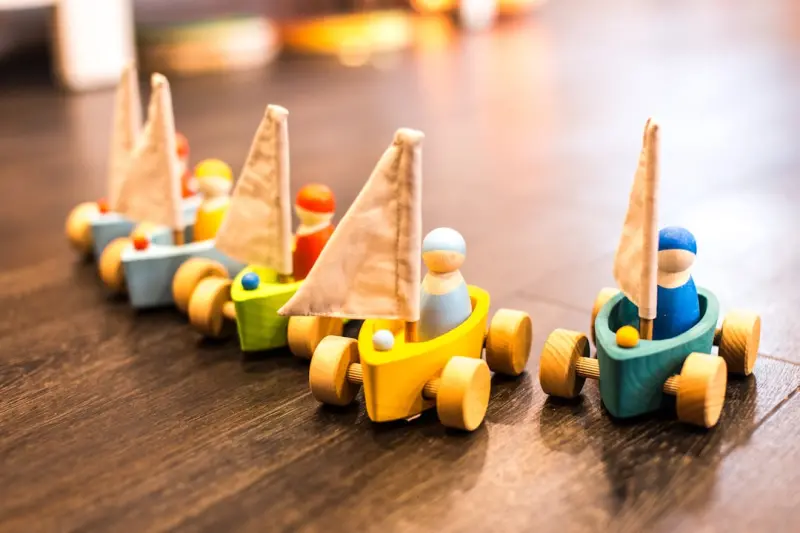
Eco‑Play Revolution: The Future of Sustainable Toys
Sustainable toys are transforming the playroom, merging eco‑friendly materials, durable design, an... Read More

The Power of Play: How Toys Are Shaping the Future of Childhood
Toys have been a staple of childhood for centuries, providing entertainment, education, and comfort.... Read More
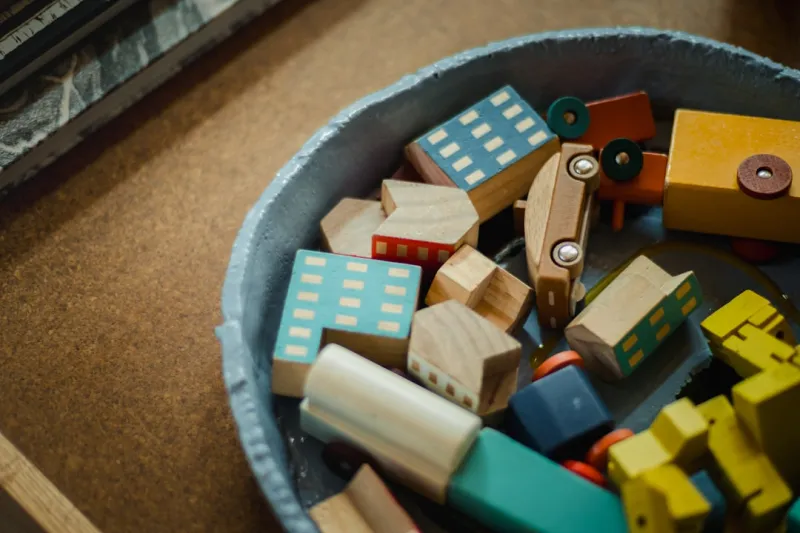
The Evolution of Eco-Friendly Toys: A Sustainable Approach to Playtime
The toy industry is evolving with a growing emphasis on sustainability and eco-friendliness. Learn h... Read More
Top Posts

Voice Search SEO: 9 Practical Tips For Businesses
In an era of rapid technological change and shifting digital landscapes, adaptability is your greatest asset. Discover how to leverage AI, cultivate career resi...Read More

Zero‑Trust Security: Building a Culture of Continuous Verification in SaaS
Zero‑Trust isn’t a buzzword—it’s a practical approach that treats every request as untrusted until proven safe. This post walks through the core pillars...Read More

Beyond Google: Mastering SEO for Emerging Search Platforms
Explore fresh SEO strategies that go beyond Google, leveraging emerging platforms like TikTok and Reddit to drive traffic and authority....Read More

Why Dedicated Hosting Is the Underrated Powerhouse Behind Scalable SaaS
A deep dive into why dedicated hosting, often overlooked in favor of cloud services, provides unmatched performance, security, and cost efficiency for SaaS busi...Read More
0 Comments
Post Comment
You will need to Login or Register to comment on this post!