

Why Predictive Maintenance Matters in Modern Industry
Industrial products have moved far beyond the rugged steel and static designs of the past; today they are living systems that breathe data, respond to their environment, and demand constant vigilance. Predictive maintenance leverages a web of IoT sensors to listen to the subtle hums, vibrations, and temperature shifts that precede failure, turning what used to be guesswork into a science. By catching wear and tear before it escalates, manufacturers can slash unplanned downtime, extend asset life, and protect the bottom line in ways that were unimaginable a decade ago.
The Sensor Network: Eyes and Ears on Every Machine
At the heart of this transformation is a dense network of low‑power, edge‑compatible sensors that embed themselves into motors, gearboxes, and even the smallest bearings, transmitting millisecond‑level data to the cloud. These devices capture metrics such as acoustic emissions, spindle speed, and lubricant composition, feeding a continuous stream of high‑resolution information that paints a real‑time portrait of equipment health. When paired with robust telemetry protocols, the data journey from factory floor to analytics platform without a hitch, ensuring that engineers have the freshest insights at their fingertips.
AI‑Driven Analytics Turn Data into Action
Collecting raw sensor data is only half the battle; the real magic happens when sophisticated algorithms parse those numbers, spot patterns, and predict failure windows with uncanny accuracy. Machine‑learning models trained on historic failure logs can flag anomalies that would escape even seasoned technicians, allowing maintenance crews to schedule interventions during planned downtimes rather than emergency shutdowns. For a deeper dive into how AI reshapes analysis, see our piece on AI‑driven analytics, which illustrates the same principles applied in a different context.
Quantifiable ROI: From Cost Savings to Competitive Edge
The financial impact of proactive upkeep is stark: companies report up to a 30% reduction in maintenance costs and a 45% drop in unexpected equipment failures after implementing IoT‑based predictive programs. Beyond the obvious savings, the ripple effects include higher production throughput, better inventory management for spare parts, and an enhanced reputation for reliability among customers. In markets where margins are razor‑thin, those efficiency gains become a decisive competitive advantage.
Modular Design Meets Predictive Insight
Modern industrial equipment is increasingly built with modular components that can be swapped out or upgraded without overhauling entire systems, a philosophy echoed in the world of modular tools. This design ethos dovetails perfectly with predictive maintenance, because each module can host its own sensor suite, delivering localized health data that feeds the broader analytics engine. The result is a flexible, scalable architecture where upgrades and repairs become routine, low‑risk operations rather than costly, disruptive events.
Workforce Evolution: From Reactive Technicians to Data‑Savvy Operators
Adopting IoT‑centric maintenance isn’t just a technology upgrade; it demands a cultural shift that empowers technicians with data literacy and real‑time decision‑making tools. Training programs now blend traditional mechanical skills with modules on interpreting sensor dashboards, configuring alert thresholds, and collaborating with data scientists to refine predictive models. This hybrid expertise not only accelerates issue resolution but also cultivates a sense of ownership among staff, turning maintenance from a dreaded chore into a strategic advantage.
Sustainability Gains Through Smarter Upkeep
Predictive maintenance contributes directly to environmental goals by reducing waste, extending the lifespan of heavy machinery, and minimizing the energy spikes associated with sudden breakdowns. When a bearing is replaced just before it would fail, the process consumes far less material and energy than a full‑scale overhaul, cutting the carbon footprint of the operation. Moreover, the optimized run‑times lower emissions per unit of production, aligning industrial performance with the growing demand for greener manufacturing practices.
The Road Ahead: Scaling Intelligence Across the Enterprise
As more factories adopt digital twins and integrate predictive insights across supply chains, the true power of IoT‑enabled maintenance will emerge as a unified intelligence layer that coordinates production schedules, inventory levels, and even customer demand forecasts. Future iterations will likely see autonomous robots performing routine part swaps, while cloud‑based orchestration platforms balance load across multiple plants in real time. In this evolving ecosystem, the line between product and service blurs, ushering in an era where industrial assets are not just tools but proactive partners in value creation.

David Moore is a freelance writer specializing in two dynamic and ever-evolving fields: gambling and the tech industry. With a keen eye for detail and a knack for unraveling complex topics, David delivers insightful and engaging content that keeps readers informed and entertained.
Related Posts
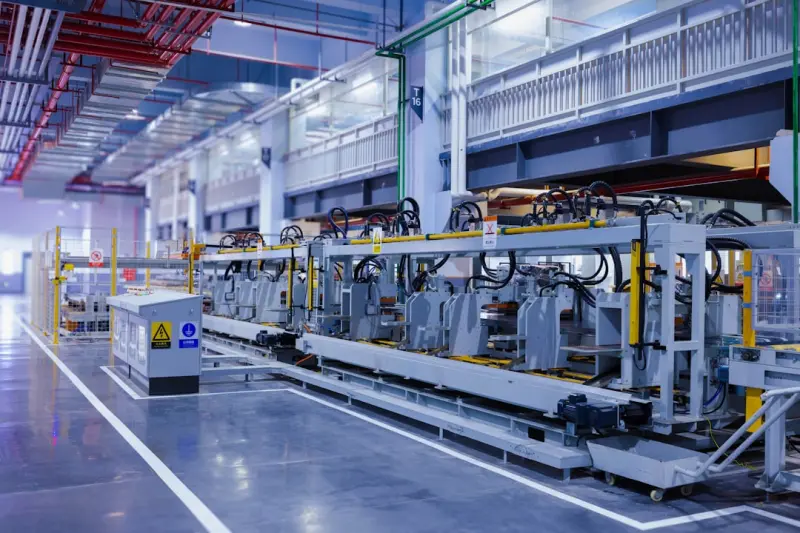
Modular Momentum: Redefining Industrial Equipment for Agility and Sustainability
A deep dive into modular industrial equipment reveals how breaking down monolithic machines into int... Read More

Why Industrial Products Need a Sprint Mindset to Stay Ahead
A sprint mindset is reshaping industrial products, delivering speed, sustainability, and security. L... Read More
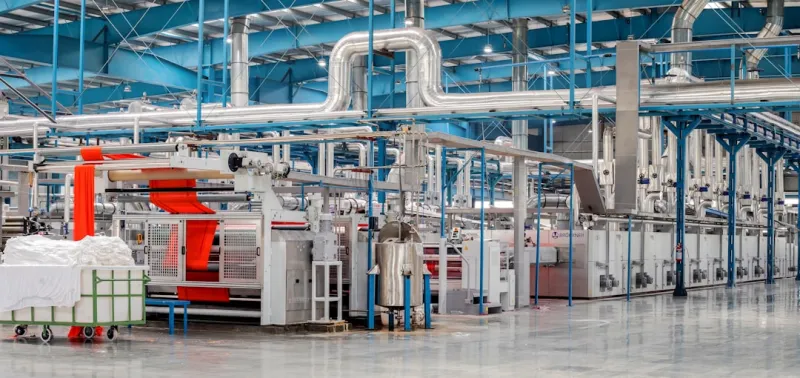
The Evolution of Industrial Products: How Sustainable Living is Revolutionizing the Industry
The industrial products sector is evolving rapidly as companies prioritize sustainable living. Learn... Read More
Top Posts

Playful Learning in the Age of AI: Intelligent Toys Transform Childhood
Intelligent toys are merging adaptive AI, human‑centric design, and eco‑friendly materials to create personalized learning experiences that bridge generatio...Read More

The Importance of Sustainable Toys in Modern Times
Sustainable toys are an essential part of a more eco-friendly future. Learn how eco-friendly toys can promote a healthier lifestyle for children and contribute ...Read More

Component‑First Development: Harnessing Micro‑Frontends for Agile Web Teams
A deep dive into component‑first design and micro‑frontends, revealing practical steps to boost speed, flexibility, and resilience in modern web development...Read More

The Quiet Revolution of Hyperlocal Digital Communities
Hyperlocal digital communities are emerging as intimate, trust‑driven hubs that replace traditional neighborhood bonds, fostering economic collaboration, ment...Read More
0 Comments
Post Comment
You will need to Login or Register to comment on this post!