
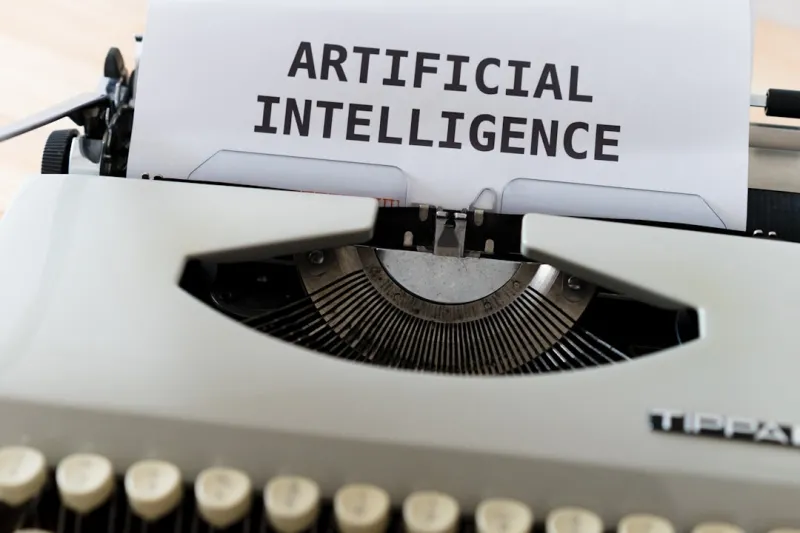
The AI Revolution: How Artificial Intelligence is Changing the Game
As we navigate the complexities of the digital age, one thing is clear: artificial intelligence (AI) is revolutionizing the way we live and work. From virtual assistants to self-driving cars, AI is transforming industries and redefining the future of technology. But what does this mean for us, and how can we harness the power of AI to improve our lives? In this article, I'll explore the impact of AI on modern society and what the future holds for this rapidly evolving field.
The rise of AI has been nothing short of meteoric. In recent years, we've seen AI-powered tools and technologies emerge in every sector, from healthcare to finance. For instance, AI-powered chatbots are being used in customer service to provide 24/7 support and improve customer engagement. This trend is only set to continue, with web development and AI intersecting in exciting ways. For example, AI-powered algorithms can analyze user behavior and optimize website design for better user experience.
The Benefits of AI
So, what are the benefits of AI? For one, AI has the potential to greatly improve productivity and efficiency. By automating routine tasks, AI can free up human workers to focus on higher-level thinking and strategy. Additionally, AI can help us make better decisions by analyzing vast amounts of data and providing insights that would be impossible for humans to discern on their own. However, there are also concerns about the impact of AI on jobs and the economy. As AI assumes more responsibilities, there is a risk that certain jobs will become obsolete. Nevertheless, many experts believe that AI will create new job opportunities in fields such as SEO and data analysis.
The Future of AI
Looking to the future, it's clear that AI will continue to play a major role in shaping our world. One area that holds great promise is mobile app development. With AI-powered mobile apps, we can expect to see new levels of personalization and user engagement. For example, AI-powered virtual assistants can learn a user's preferences and provide tailored recommendations. Another area that AI will impact is cybersecurity. As AI-powered threats emerge, we'll need to develop new strategies for staying ahead of the threats. This includes using AI-powered tools to detect and respond to threats in real-time.
The Intersection of AI and Education
The intersection of AI and education is another area that holds great promise. AI-powered adaptive learning systems can provide personalized learning experiences for students, helping them to learn more effectively. Additionally, AI can help teachers with grading and other administrative tasks, freeing them up to focus on what matters most: teaching. However, there are also concerns about the impact of AI on education. For example, some worry that AI-powered systems will replace human teachers, leading to a loss of jobs and a diminished role for human interaction in the learning process.
The Ethics of AI
As AI becomes more pervasive, we're also seeing a growing need for ethics and accountability. Who is responsible when an AI system makes a mistake or causes harm? These are questions that we'll need to grapple with as AI continues to evolve. One thing is clear: AI is not a panacea, and we need to approach its development and deployment with caution and care.
The Role of AI in Business
In the business world, AI is already having a major impact. From customer service chatbots to AI-powered analytics tools, businesses are using AI to streamline operations and gain a competitive edge. However, there are also challenges associated with AI adoption. For example, many businesses struggle to integrate AI into their existing systems and processes. Additionally, there are concerns about the impact of AI on jobs and the economy.
Conclusion
In conclusion, the AI revolution is well underway, and it's changing the game in ways both big and small. From virtual assistants to self-driving cars, AI is transforming industries and redefining the future of technology. While there are challenges associated with AI adoption, the benefits are clear. As we look to the future, it's clear that AI will continue to play a major role in shaping our world. Whether we're talking about online shopping or education, AI is poised to revolutionize the way we live and work.
What's Next?
So, what's next for AI? One thing is clear: the future of AI will be shaped by the choices we make today. As we continue to develop and deploy AI systems, we'll need to prioritize ethics, accountability, and transparency. We'll also need to invest in education and retraining programs to help workers adapt to an AI-driven economy. By doing so, we can ensure that the benefits of AI are shared by all.
The Future of Work
The future of work is another area that AI will impact. As AI assumes more responsibilities, there is a risk that certain jobs will become obsolete. Nevertheless, many experts believe that AI will create new job opportunities in fields such as data analysis and AI development. Additionally, AI will enable new forms of remote work and collaboration, allowing people to work from anywhere and connect with colleagues and clients around the world.
Final Thoughts
In final thoughts, the AI revolution is a complex and multifaceted phenomenon that will continue to shape our world in the years to come. While there are challenges associated with AI adoption, the benefits are clear. As we look to the future, it's clear that AI will play a major role in shaping our world. Whether we're talking about education, business, or online shopping, AI is poised to revolutionize the way we live and work.

Paul Flynn is a versatile freelance writer equipped with a diverse skillset and a portfolio that reflects his wide-ranging interests and expertise. From crafting compelling website copy and engaging blog posts to delivering in-depth articles and meticulously researched reports, Flynn demonstrates a remarkable ability to adapt his writing style to suit various audiences and purposes.
Related Posts

The Generative Cinema War: Analyzing OpenAI’s Sora vs. Google’s Veo 3 and the Future of Algorithmic Fidelity
The introduction of high-fidelity, text-to-video generators marks the most significant paradigm shif... Read More
The Digital Pantry: How AI-Driven Nutrition Is Revolutionizing the Grocery Experience
For decades, the standard grocery shopping experience has been a sensory, albeit somewhat disorganiz... Read More
AI Insights from Karen Edwards: How Artificial Intelligence Is Redefining Content Creation
Karen Edwards shares how AI transforms her workflow, boosts SEO, and raises ethical questions—offe... Read More
Top Posts

Industrial Innovation in 2026: Smart, Sustainable, and Scalable Solutions
Discover the 2026 industrial trends—smart sensors, AI maintenance, sustainable materials, and digital strategies—driving smarter, greener, and more resilien...Read More

Link Building as Relationship Engineering: A Human‑First Playbook
Discover a fresh, human‑centric approach to link building that aligns SEO with business goals, leveraging strategic partnerships, interactive content, and soc...Read More

Nurturing Connection: A Fresh Playbook for Intentional Relationships
Learn how to cultivate sustainable relationships using three core pillars—purposeful presence, reciprocal curiosity, and boundary co‑creation—and turn rel...Read More

Why Your Users Should Come Before Your SEO
In the ever-evolving digital landscape, where visibility is king and competition is fierce, the acronym "SEO" (Search Engine Optimization) often dominates marke...Read More
0 Comments
Post Comment
You will need to Login or Register to comment on this post!