
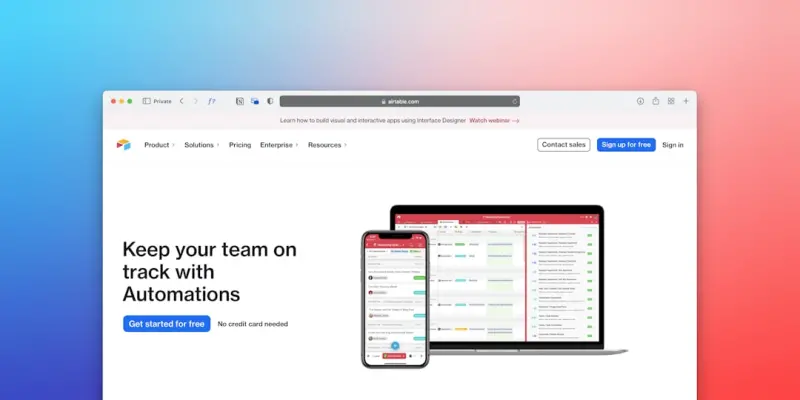
Low‑Code: Democratizing Development
When I first saw a drag‑and‑drop canvas claim it could replace a full‑stack IDE, I laughed and moved on—yet today that joke feels more like a prophecy. Low‑code platforms have evolved from simple form builders into sophisticated ecosystems that let marketers, analysts, and even HR teams prototype workflows without a single line of code, and the ripple effects are reshaping product roadmaps across enterprises. This shift isn’t just about speed; it’s about unlocking hidden talent pools, reducing bottlenecks, and rebalancing power so that ideas can surface from any corner of an organization without waiting for a sprint cycle to free up.
The Business Case: Faster Time‑to‑Market with Fewer Handovers
In traditional development, a feature often travels through design, backend, frontend, QA, and finally release—a relay race where each handoff introduces delay and miscommunication. Low‑code platforms compress that relay into a single stretch, allowing a product manager to wire up data integrations, UI components, and business rules in a single session, dramatically shortening the feedback loop. Companies that have embraced this model report 30‑40% reductions in time‑to‑market, freeing up senior engineers to focus on core differentiators while citizen developers handle routine automation. The result is a virtuous cycle: quicker experiments lead to faster learning, which fuels more informed strategic pivots.
Technical Debt Reimagined: Building on Modular Foundations
One fear that haunts every CTO is that low‑code solutions will create a black box of spaghetti code, compounding technical debt. Yet modern platforms are built on modular, API‑first architectures that expose underlying services, allowing teams to export, version, and even replace components as needs evolve. By treating each low‑code app as a collection of reusable micro‑services, organizations can maintain clean, auditable codebases while still empowering non‑technical contributors. This approach also encourages a culture of shared ownership, where the line between “developer” and “user” blurs, fostering collaborative stewardship of the software ecosystem.
Observability and Governance: Keeping the Ship on Course
Empowering anyone to build applications raises legitimate concerns about security, compliance, and performance. The answer lies in embedding observability and governance directly into the low‑code layer. Real‑time dashboards surface latency, error rates, and usage metrics for every citizen‑built app, while role‑based access controls enforce data policies without stifling creativity. When a rogue script tries to exfiltrate data, the platform’s policy engine intercepts the call, logs the event, and alerts the security team—turning potential risk into a teachable moment. This blend of autonomy and oversight ensures that speed never comes at the expense of stability.
Case Study: Scaling Customer Onboarding without Adding Engineers
One of our clients, a mid‑size SaaS provider, faced a chronic bottleneck in onboarding new customers; their engineering team was swamped with custom integration requests that delayed revenue recognition. By adopting a low‑code solution, the product ops group built a self‑service portal that dynamically mapped CRM fields to the billing system, incorporated e‑signature capture, and triggered automated welcome emails—all without touching the core codebase. Within weeks, the onboarding time dropped from weeks to hours, and the engineering team redirected its focus to building a new AI‑driven analytics module. This transformation exemplifies how low‑code can act as a lever, amplifying impact without expanding headcount.
Integrating Legacy Systems: The Bridge Over Troubled Data
Legacy systems often feel like anchors, resisting change and forcing teams into costly rewrite projects. Low‑code platforms, however, excel at acting as a bridge, offering pre‑built connectors and visual mapping tools that translate old data schemas into modern API calls. By orchestrating data flows through these visual pipelines, businesses can gradually phase out monolithic backends while preserving operational continuity. The key is to treat the low‑code layer as an integration façade, exposing standardized endpoints that newer services can consume, effectively future‑proofing the architecture without a massive upfront investment.
Choosing the Right Platform: Criteria Beyond Feature Lists
Not all low‑code solutions are created equal, and selecting the right fit requires a strategic lens. First, evaluate the platform’s extensibility: can developers write custom code snippets or plug in external libraries when needed? Second, assess the ecosystem of connectors—does it support the specific SaaS tools, databases, and on‑prem systems your organization relies on? Third, consider the governance model: does it provide granular audit trails, role‑based permissions, and compliance certifications that align with your industry standards? Finally, look for community support and documentation quality; a vibrant user base often translates into faster problem resolution. For a deeper dive into tool selection, see Crafting a Future‑Ready Toolkit, which outlines how smart choices can supercharge any workflow.
Future Trends: AI‑Assisted Low‑Code and the Rise of Citizen Data Scientists
The next wave of low‑code is being powered by generative AI, turning natural language prompts into functional modules, dashboards, and even predictive models. Imagine a marketing manager typing “Create a churn‑prediction model using the last 90 days of usage data,” and the platform instantly generates the data pipeline, model, and visualization—all while adhering to governance policies. This convergence blurs the line between citizen developer and citizen data scientist, unlocking a new tier of business intelligence that was previously locked behind specialist teams. As AI continues to mature, we’ll see platforms that not only automate UI construction but also suggest optimization pathways, performance improvements, and cost‑saving measures in real time.
Conclusion: A Balanced Blueprint for Empowerment
Low‑code isn’t a silver bullet, but when woven thoughtfully into an organization’s technology fabric, it becomes a catalyst for agility, inclusivity, and innovation. By pairing modular, API‑first foundations with robust observability, governance, and AI assistance, companies can democratize creation without surrendering control. The journey starts with a clear strategy—identifying high‑impact processes, selecting a platform that meets extensibility and compliance needs, and fostering a culture where every employee feels empowered to prototype solutions. In doing so, we turn the traditional development bottleneck into a collaborative runway, propelling businesses forward at a pace that matches the velocity of today’s market demands.

Brad Hays is a freelance writer known for his versatile skill set and ability to craft compelling content across a wide range of industries.
Related Posts

Knowledge Base Software: Enhancing Information Management
In today's fast-paced, information-saturated world, the ability to efficiently manage, access, and d... Read More

Why Developer Enablement Is the New Growth Engine for SaaS
Developer enablement transforms code into a strategic growth lever. This article explains why invest... Read More

What is the Best Antivirus Software Today
In the digital ecosystem of the 21st century, the question of cybersecurity has shifted from a niche... Read More
Top Posts

Best Carpet Cleaning Hacks That Work
Carpets bring warmth, comfort, and aesthetic appeal to any space, but their beauty can quickly diminish under the relentless assault of daily life. From acciden...Read More

Turning TikTok Into Your B2B Insight Engine
Learn how to use TikTok’s algorithm, duets, and live streams as a rapid research lab for B2B SaaS, turning short videos into validated product ideas, communit...Read More

Why Media Agencies Must Evolve to Stay Ahead
Explore the evolving landscape of media agencies, from data‑first mindsets to sustainable storytelling, and learn how tech, talent, and trust combine to deliv...Read More

The Dual Defense: Navigating the Converged Threat Landscape of Cybersecurity and Generative AI
The digital defense landscape is undergoing a revolutionary transformation. Traditional cybersecurity threats—such as malware, zero-day exploits, and denial-o...Read More
0 Comments
Post Comment
You will need to Login or Register to comment on this post!