
Why the Traditional Toolbox Is Getting a Makeover
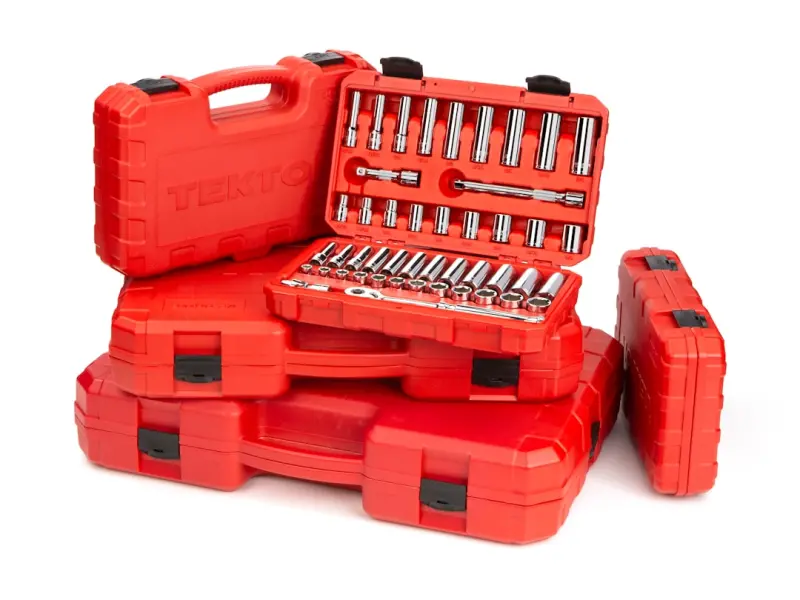
When I first set up a home workshop, my shelves were a chaotic mix of wrenches, screwdrivers, and half‑used battery packs that never seemed to belong together; the experience taught me that a toolbox is more than a storage box—it’s a reflection of how we work, create, and solve problems. Over the past few years, the rise of remote freelancing and maker‑culture pop‑ups has forced us to rethink the ergonomics of our gear, demanding portability, adaptability, and a touch of personality that traditional steel cases simply can’t deliver. As a result, a new generation of modular tool systems is surfacing, promising to replace the clunky, one‑size‑fits‑all approach with sleek, interchangeable components that fit into a single, lightweight carrier.
Modular Tool Systems: Building Blocks for the Modern Maker
At the heart of this evolution lies the concept of modularity: each tool component—whether a drill bit, a screwdriver head, or a cutting blade—attaches to a standardized hub, allowing you to swap functions in seconds without rummaging through drawers; this design mirrors the way software developers use plug‑ins to extend functionality, turning a single base unit into a versatile powerhouse. The real genius is in the engineering of the hub itself, which often features magnetic locking, ergonomic grips, and a durable alloy that can withstand the torque of a power drill while remaining feather‑light enough for a backpack. For creators who move between a kitchen studio, a garage, and a client site, this flexibility translates into less freight, fewer lost pieces, and a cleaner, more organized workflow that feels almost intuitive.
Case Study: The Portable Magnetic Screwdriver Set
Take the portable magnetic screwdriver set that landed on my desk last spring; it arrives in a compact, water‑resistant case that houses a rechargeable lithium‑ion battery, an array of interchangeable bits, and a tiny LED work light—all secured by a magnetic rail that lets you slide tools in and out with a single click. In practice, I’ve used it to assemble a custom shelving unit in my living room, tighten a loose hinge on a client’s storefront, and even replace a broken laptop hinge while on a coffee shop commute; each task required only a minute of setup, thanks to the intuitive bit‑selector that eliminates the guesswork of traditional kits. What’s more, the set integrates a QR‑coded inventory system that syncs with a free mobile app, reminding you when a bit is worn and suggesting the optimal replacement based on usage patterns—a subtle nod to the digital‑first mindset without overcomplicating the hands‑on experience.
Digital Inventory Meets Physical Tools
While the magnetic set is a standout, the broader trend is the marriage of physical tools with simple digital inventories; many manufacturers now embed NFC tags or QR codes on each component, letting you scan a tool with your phone to instantly log its location, condition, and last use—information that can be especially valuable for shared workshops or community makerspaces where tools circulate among dozens of users. This approach reduces the dreaded “where did I put that wrench?” moment and creates a low‑tech, privacy‑friendly alternative to the cloud‑heavy solutions seen in other industries. If you’re already comfortable with collaborative software, you’ll appreciate how these inventories can feed into a shared spreadsheet or a lightweight project management board, keeping the focus on the craft rather than the paperwork.
Sustainability: Refillable Cartridges and Eco‑Friendly Materials
Beyond convenience, modular tools are making sustainability a core selling point; many brands now offer refillable cartridge systems for sanders, paint sprayers, and even cordless drills, allowing you to replace only the consumable part rather than discarding an entire device when the battery or motor wears out. The outer shells are frequently constructed from recycled aluminum or bioplastic composites, which not only reduce carbon footprints but also add a premium, matte finish that feels sturdy in the hand. By extending the lifespan of each component and encouraging responsible disposal, these systems help curb the growing e‑waste problem that has plagued hobbyists who once upgraded their entire kit every few years.
Community Sharing Platforms Accelerate Access
One of the most exciting side effects of modularity is the rise of community‑driven sharing platforms, where makers can lend or swap specific tool heads for a weekend, much like a library for hardware; these platforms often operate on a reputation‑based system, ensuring that high‑quality, well‑maintained tools stay in circulation and reducing the financial barrier for newcomers. I recently borrowed a high‑precision laser level from a local makerspace, snapping it into my modular base without any calibration required—proof that the ecosystem is designed for plug‑and‑play collaboration. This communal mindset echoes the spirit of conversational communities, turning isolated creators into a supportive network that fuels innovation and resource efficiency.
Balancing Cost and Value: Investment Strategies for Makers
Investing in a modular toolkit can feel daunting at first, especially when each component carries a premium price tag; however, the long‑term savings become evident when you consider the reduced need for multiple single‑purpose tools, lower replacement costs thanks to interchangeable parts, and the potential income from renting out rarely used heads on sharing platforms. If you’re budgeting carefully, start with a robust base unit and gradually expand your collection based on project demands, treating each addition as a strategic upgrade rather than a splurge. For those who love tech integration, pairing your modular system with smart software—like the workflow enhancements found in AI‑powered pair programming tools—can streamline project planning, ensuring you always have the right tool on hand before you even leave the bench.
Future Outlook: Smart Power, Connectivity, and Beyond
Looking ahead, the next wave of modular tools will likely incorporate Bluetooth connectivity, allowing you to monitor battery health, torque settings, and usage statistics in real time via a companion app; imagine a drill that auto‑adjusts its speed based on material feedback, or a screwdriver that alerts you when the torque limit is reached, all without sacrificing the tactile satisfaction of a manual grip. While we’ve seen smart appliances infiltrate kitchens and homes, the workshop remains a frontier ripe for invisible tech that enhances—not replaces—human skill. As these innovations mature, they will blur the line between analog craftsmanship and digital precision, giving makers the confidence to tackle increasingly complex projects without the clutter of a traditional toolbox.
Actionable Steps to Upgrade Your Toolkit Today
Ready to transition from a legacy toolbox to a modular system? Begin by auditing the tasks you perform most frequently and identify which tool families—screwdrivers, drills, cutting tools—could benefit from a unified hub; purchase a reputable base unit, then gradually add heads that align with your workflow, prioritizing ergonomics and material quality. Next, implement a simple digital inventory using QR codes or NFC tags to track wear and location, and explore local makerspaces or online forums where you can borrow specialized heads before committing to a purchase. Finally, stay informed about emerging smart accessories that promise to add data‑driven insights to your craft, ensuring your toolkit remains both cutting‑edge and sustainable for years to come.

Karen Edwards is a seasoned freelance writer with a passion for all things furry, feathered, and scaled. With a dedicated focus on pets, she brings a wealth of knowledge and a keen eye for detail to her writing.
Related Posts

The Ultimate Hybrid Toolkit for Modern Creators
A comprehensive guide to building a hybrid toolkit that merges essential software, ergonomic gear, p... Read More

Why AI‑Powered Tool Stacks Are Redefining SaaS Workflows
A deep dive into how unified data backbones, contextual AI workflows, and augmented collaboration sp... Read More
Revolutionizing Productivity: The Top Tools You Need to Know About
Explore the latest productivity tools and AI-powered solutions to transform your workflow, boost foc... Read More
Top Posts

Edge Computing: The Unsung Hero Transforming SaaS Performance
Edge computing brings compute closer to users, slashing latency, enhancing security, and cutting costs. This article explains why SaaS platforms should adopt ed...Read More

Which is Better? Positive or Negative Content
In today's fast-paced digital world, content creators have a plethora of options to choose from when crafting their next piece. The age-old question remains: wh...Read More

Beyond the Hype: Unlocking the Strategic Advantages of Off-Season Travel
The allure of popular travel destinations during their peak seasons is undeniable. Visions of sun-drenched beaches, bustling historic piazzas, and vibrant cultu...Read More

Beyond Speed: How Managed WordPress Hosting Powers Agile Digital Teams
Managed WordPress hosting is more than faster page loads—it’s an enabler for agile teams, providing built‑in scaling, developer‑centric toolchains, robu...Read More
0 Comments
Post Comment
You will need to Login or Register to comment on this post!