
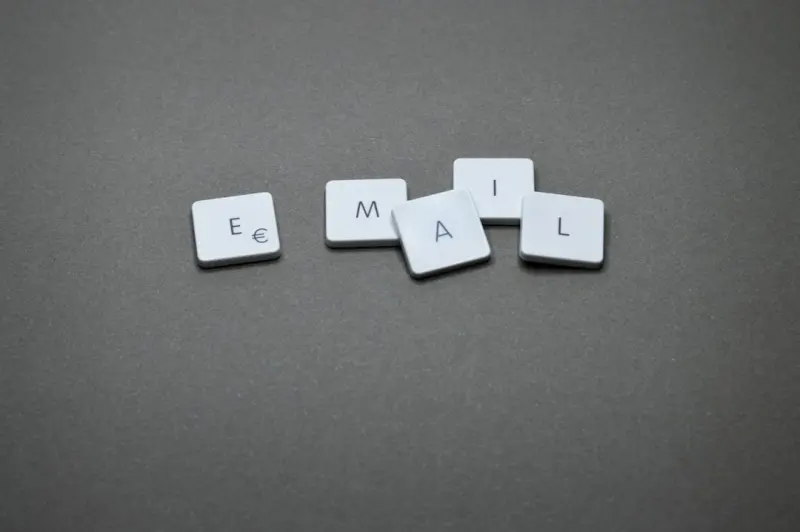
Why Permission‑First Email Is No Longer Optional
In the last few years, data‑privacy regulations have moved from a niche concern to a boardroom agenda. When a prospect sees a “subscribe” checkbox that explains exactly what they’ll receive—and why—it does more than meet compliance; it signals respect. That signal is the foundation of a thriving email ecosystem, and it flips the classic “push‑first” mindset on its head.
The Shifting Landscape: From Consent to Conversation
Regulators worldwide have converged on a simple premise: users must know what they’re signing up for and retain the ability to opt out at any moment. This shift forces marketers to treat email as a two‑way channel, not a broadcast billboard. The result? Higher engagement, lower unsubscribe rates, and a list that actually reflects genuine interest.
But the transition isn’t just legal—it’s strategic. A list built on clear consent is a list of people who have already expressed a baseline level of curiosity. Those contacts are far more receptive to nuanced messaging, product updates, and educational content.
Building the Permission‑First Foundations
1. Clear Value Proposition at the Point of Capture
- Instead of a generic “Subscribe to our newsletter,” ask, “Get monthly insights on how to accelerate your SaaS growth.” Specificity tells prospects exactly what’s in it for them.
- Pair the copy with a visual cue—such as a short illustration of a mailbox—to reinforce the email‑only promise.
2. Granular Preference Centers
- Allow new subscribers to select topics (e.g., product tips, industry trends, case studies). This early segmentation reduces noise and improves relevance from day one.
- Store these preferences as first‑party attributes; they become the backbone for later personalization.
3. Transparent Frequency Commitments
- Tell readers exactly how many emails they’ll receive each month. If you promise “no more than four,” stick to it. Consistency builds credibility.
Harvesting First‑Party Data Wisely
Every interaction—whether a click, a form submit, or a page view—adds a data point you can use to refine the experience. The key is to collect only what’s needed and to store it responsibly.
Use a lightweight data model that ties email activity to CRM records, product usage, and support tickets. This unified view lets you answer questions like, “Which contacts are actively exploring our new feature?” without pulling in third‑party cookies.
When you need to enrich the profile, do it through explicit permission. For example, after a user downloads a whitepaper, prompt them: “Would you like to receive deeper analysis on this topic?” This incremental consent respects the user’s agency and keeps the list clean.
Real‑Time Personalization Without Overreach
Personalization is no longer a nice‑to‑have; it’s an expectation. Yet, over‑personalizing can feel invasive, especially when privacy concerns are top of mind.
Start with behavioral triggers that are directly linked to the consented preferences. If a contact opted into “product tips,” send a triggered email the moment they log into the platform and complete a new workflow. The message could read, “You just tried X—here’s a quick guide to get the most out of it.”
Pair these triggers with dynamic content blocks that pull from the first‑party attributes you’ve collected. Because the data originates from the user’s own actions, the personalization feels natural rather than intrusive.
Measuring Trust‑Based Metrics
Traditional email metrics—open rates, click‑through rates—remain important, but they don’t capture the health of a permission‑first program. Add these trust‑centric KPIs to your dashboard:
- Opt‑in Confirmation Rate: The percentage of new contacts who complete a double‑opt‑in step. A high rate signals clear value communication.
- Preference Update Frequency: How often contacts adjust their topic selections. Active updates indicate ongoing interest.
- Unsubscribe Reason Ratio: Track the specific reasons (e.g., “too many emails,” “irrelevant content”). Use the data to refine frequency and relevance.
Testing & Experimentation
Even with a permission‑first foundation, assumptions need validation. Use a structured testing framework to iterate safely. For instance, you can turn data into experiments that compare different welcome‑email sequences, subject‑line styles, or content block arrangements.
Because you’re working with a consent‑driven audience, you’ll see clearer signal‑to‑noise ratios. A small change in a high‑trust list often yields more decisive results than the same change on a list built on purchased contacts.
Leveraging Email to Boost Search Visibility
While email and search might seem like separate channels, they can reinforce each other. When you share high‑quality blog posts or case studies via email, you generate inbound links and social signals that indirectly benefit your search presence.
Craft email snippets that encourage recipients to explore entity‑first growth strategies on your site. The resulting traffic spikes, lower bounce rates, and increased dwell time send positive cues to search algorithms, creating a virtuous cycle.
Future‑Proofing Your List
Privacy regulations continue to evolve. To stay ahead, embed flexibility into your email architecture:
- Modular Preference Center: Build the UI so you can add new topics without overhauling the entire system.
- Export‑Ready Data Schema: Keep a clean export path for contacts who request data deletion or transfer. This not only meets compliance but also reinforces brand trust.
- Continuous Education: Periodically send short notes about how you protect data and why you ask for specific permissions. Transparency turns compliance into a relationship builder.
Conclusion
Permission‑first email isn’t a temporary compliance checkbox; it’s a strategic advantage. By aligning every step—from capture to content delivery—with the prospect’s explicit consent, you create a channel that feels personal, trustworthy, and ultimately more profitable. The result is a list that not only survives regulatory scrutiny but also fuels sustained B2B growth.

Lauren Miller is a true outdoors enthusiast who has found her passion in the trades. When she's not working hard on the job, you can find her writing, camping, fishing, and exploring all that nature has to offer. A dedicated partner to her wife Beth, Lauren loves nothing more than spending quality time together and experiencing the great outdoors side by side.
Related Posts
The Untapped Power of Interactive Emails: A Playful Path to Higher Engagement
Learn why static newsletters are losing impact and how interactive, AI‑driven emails can boost eng... Read More

Email Marketing in 2024: Tyler Johnson’s Playbook for Real Results
Tyler Johnson reveals a 2024 email marketing playbook, from permission‑based lists to AI‑driven ... Read More

The Silent Surge: AI‑Powered Micro‑Personalization Is Redefining B2B Email Campaigns
Mei Chen shares a practical roadmap for using AI to deliver hyper‑personalized B2B emails, from si... Read More
Top Posts

Closed‑Loop Cleaning: How to Turn Everyday Chores into a Sustainable System
Discover a step‑by‑step guide to closed‑loop cleaning, featuring DIY enzyme cleaners, reusable containers, and smart water reuse tips that turn household ...Read More

Why Mental Fitness Should Be Your Next Business KPI
Dale Peterson explains why mental fitness belongs on the executive dashboard, offering practical steps to measure, automate, and embed wellbeing into every laye...Read More

Google’s Quiet Revolution: How AI, Sustainability, and Privacy Are Redefining B2B SaaS
Miranda Murphy breaks down Google’s emerging AI platform Gemini, sustainable cloud initiatives, and privacy sandbox, offering a practical playbook for B2B Saa...Read More

How to Delete the 4GB File That Chrome has Secretly Installed on Your Device
Discover why your browser is taking up gigabytes of space and learn how to safely delete that mysterious 4GB file. This guide provides step-by-step instructions...Read More
0 Comments
Post Comment
You will need to Login or Register to comment on this post!