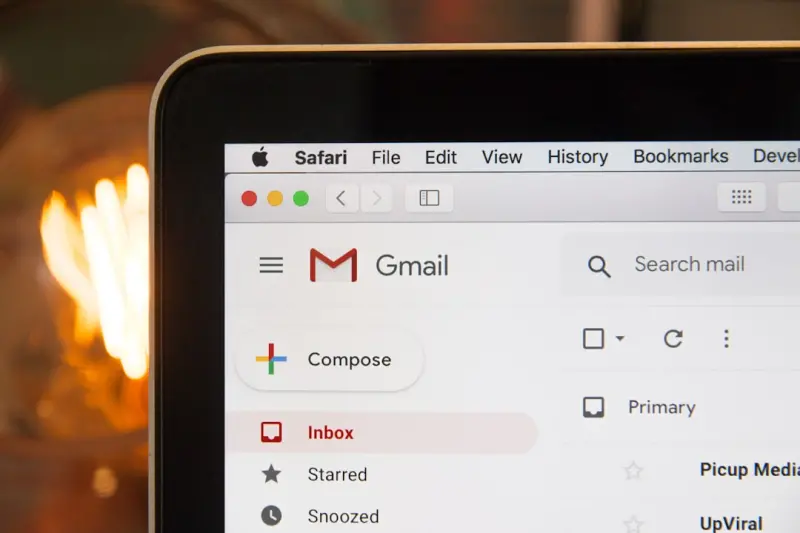
Why Traditional Email Blasts Are Losing Their Edge
When I first started experimenting with email marketing for SaaS products, I treated each campaign like a billboard on a highway—flashy, fast, and hoping someone would glance at it. Over time, the metrics stopped improving, and the bounce rates crept up. The reality is that inboxes have become crowded neighborhoods, not empty avenues. Recipients now expect relevance, context, and a sense of dialogue. If an email feels like a static advertisement, it’s quickly filed away—or worse, marked as spam. The shift isn’t just about catchy subject lines; it’s about redesigning the entire experience so that each message feels like a natural continuation of a conversation you’ve already started.
From One‑Off Sends to Conversational Sequences
Imagine a prospect who signs up for a free trial. Instead of a single “Welcome” email followed by a generic “Here’s how to get started” guide, picture a series of micro‑interactions that adapt to the user’s behavior. If they open the welcome email but don’t click the tutorial link, the next message gently nudges them with a short video snippet. If they watch the video, the subsequent email offers a live Q&A session. This dynamic, branching approach transforms a monologue into a genuine exchange. It requires a mindset shift: treat your email platform as a conversation engine, not a broadcast system.
Leveraging Behavioral Data to Time Your Sends
Timing is the silent hero of email success. A well‑crafted message sent at the wrong moment can be as ineffective as a bland headline. By integrating website activity, product usage logs, and even calendar data, you can predict the optimal window for each recipient. For example, users who engage with a feature during weekday mornings are more likely to respond to a follow‑up email sent later that same day, whereas night‑owls respond better to evening outreach. This level of precision turns your email calendar into a predictive engine rather than a static schedule.
Segmentation That Goes Beyond Demographics
Traditional segmentation often relies on basic attributes—company size, role, or industry. While useful, these buckets miss the nuances that truly drive engagement. Consider segmenting by product adoption stage, recent support tickets, or even sentiment extracted from chat logs. A user who recently logged a “confused” sentiment in a support chat is a prime candidate for a “tips and tricks” email, while a power user who consistently logs high usage may appreciate advanced feature announcements. By aligning content with the user’s current journey, you make each email feel tailor‑made.
Human‑Centric AI: The Sweet Spot Between Automation and Authenticity
Automation is a double‑edged sword. Over‑reliance on generic drip campaigns can strip away the personal touch that makes conversations feel genuine. However, when AI is used to augment human insight—analyzing engagement patterns, recommending send times, and suggesting copy variations—it becomes a strategic ally. In our own SaaS toolbox, we’ve found that AI copilots can handle the heavy lifting of data analysis while the marketing team focuses on crafting the narrative. The result is a hybrid workflow where every email is both data‑driven and human‑centric.
Redefining Success Metrics for Conversational Email
Open rates and click‑through rates were once the holy grail of email reporting. In a conversational framework, you need deeper signals: reply rates, sequence progression, and behavior changes post‑email. For instance, a user who clicks a “Schedule a Demo” link and then books a meeting demonstrates a higher quality conversion than someone who simply clicks a link without further action. Tracking these downstream events provides a clearer picture of the real ROI of your email strategy.
Integrating Email with the Wider Marketing Ecosystem
Emails should never exist in a silo. When a prospect engages with a LinkedIn ad, views a webinar, or downloads a whitepaper, those signals should inform the next email touchpoint. This cross‑channel harmony creates a seamless experience where each interaction reinforces the others. As a practical step, map out the common pathways a lead might travel and embed conditional logic in your email platform to respond appropriately at each junction.
Practical Checklist for Building Conversational Email Flows
- Map the user journey. Identify key milestones and pain points.
- Define trigger events. Use product usage, support tickets, and site behavior as triggers.
- Craft modular copy blocks. Write short, adaptable snippets that can be recombined based on user actions.
- Set dynamic send windows. Leverage behavioral data to calculate optimal delivery times.
- Implement AI‑assisted testing. Use human‑centric AI tools to run multivariate tests on subject lines and body copy.
- Monitor conversational metrics. Track replies, sequence advancement, and downstream conversions.
- Iterate continuously. Feed performance data back into the system to refine triggers and content.
Conclusion: Turn Emails Into Ongoing Dialogues
In a world where customers are bombarded with one‑off pitches, the brands that succeed will be the ones that treat email as an evolving conversation. By aligning timing, behavior, and AI‑enhanced personalization, you can transform static blasts into a living dialogue that nurtures prospects, delights customers, and ultimately drives sustainable growth for your SaaS business.

Armed with a degree in English Literature, Jill’s journey into the digital space wasn't just a career move; it was a natural extension of her lifelong love affair with storytelling. While some writers view search engine optimization (SEO) as a rigid constraint, Jill sees it as a creative puzzle. She understands the delicate art of balancing the algorithmic demands of search engines with the human desire for resonance, emotion, and value. To Jill, keywords aren't just targets to hit; they are the breadcrumbs that lead eager readers straight to the answers they’ve been searching for.
Related Posts

The Unstoppable Power of Email Marketing in a Noisy Digital World
Explore why email remains the most effective channel, from data‑driven segmentation to AI‑powere... Read More
Permission‑First Email: Building Trust and Growth in a Privacy‑Centric World
Learn why adopting a permission‑first approach to email marketing is essential for modern B2B SaaS... Read More
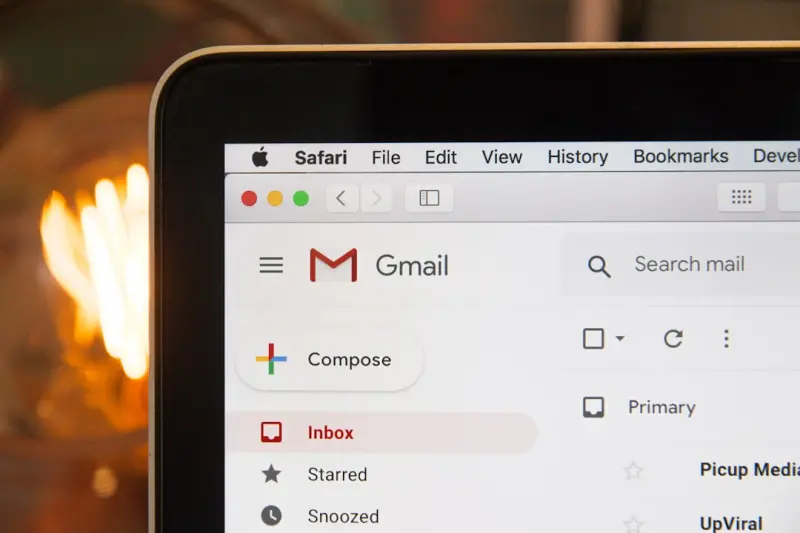
Email Marketing in the Age of Attention Fatigue: Strategies That Cut Through the Noise
Discover how micro‑segmentation, psychology‑driven subject lines, and AI‑powered personalizati... Read More
Top Posts
Hybrid Media Agencies: Blending Data, Storytelling, and Trust
Discover the rise of hybrid media agencies that fuse data, technology, and creative storytelling to navigate a fragmented media world, fostering trust and deliv...Read More

Regenerative Tourism: How Travelers Can Fuel Local Revitalization
Discover a fresh travel philosophy that goes beyond sightseeing. Learn how intentional spending, hands‑on environmental projects, and cultural collaborations ...Read More

The Double-Edged Sword: Essential Truck Mods and the Warranty Tightrope
The allure of the pickup truck is undeniable. More than just a mode of transportation, for many, it’s a trusted companion, a tool of the trade, and a symbol o...Read More

Scent, Sound, and Skin: The New Triad of Personal Care
Discover how combining scents, soothing sounds, and tactile textures can transform daily grooming into a holistic personal care experience that nurtures both sk...Read More
0 Comments
Post Comment
You will need to Login or Register to comment on this post!