
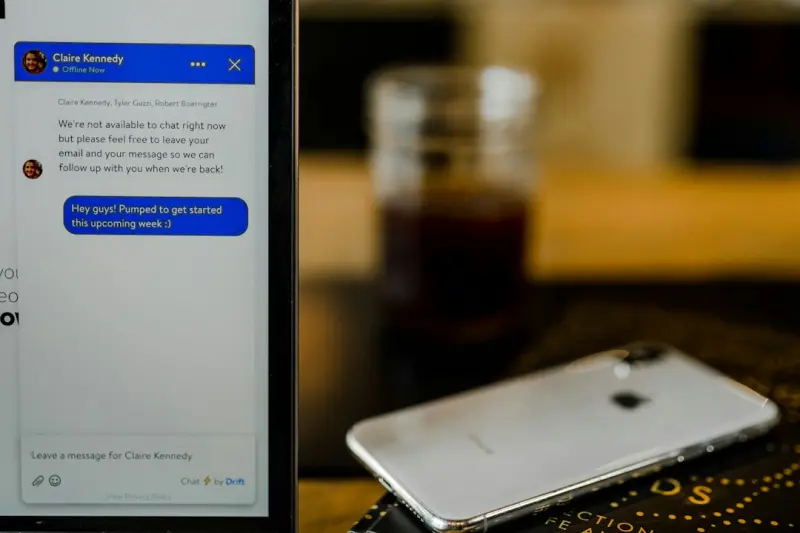
Why Email Should Feel Like a Real‑Time Conversation, Not a Broadcast
When I first joined a fast‑growing SaaS startup, my inbox looked like a battlefield: endless newsletters, product updates, and a relentless stream of cold outreach. I quickly realized that the traditional broadcast model of email—one‑size‑fits‑all, scheduled once a week, and measured solely by open rates—was leaving the most valuable asset on the table: human connection. In this post, I’m sharing the playbook I’ve built around treating each email as a conversation starter that evolves with the recipient in real time.
The Problem with “Set‑and‑Forget” Campaigns
Most B2B marketers still treat email like a radio ad: they craft a slick message, hit “send,” and wait for the numbers to roll in. The pitfalls are obvious:
- Low relevance: Recipients receive content that doesn’t match their current pain points, leading to quick deletions.
- Stale data: Lists are often built on outdated firmographic info, so you’re speaking to the wrong person or an obsolete role.
- One‑way traffic: Without a clear pathway for replies or interaction, emails become dead ends instead of gateways.
These issues aren’t just annoyances—they directly impact revenue. A study I recently referenced showed that conversation‑centric email sequences outperform static blasts by up to 45 % in qualified pipeline creation.
Step 1: Map the Customer Journey to Email Touchpoints
Before you write a single line, plot out the stages your ideal buyer goes through—from awareness to evaluation, purchase, and post‑sale advocacy. For each stage, ask:
- What decision‑making information does the prospect need right now?
- Which stakeholder is most likely to be reading this email?
- What action would move them one step further?
Instead of a monolithic “newsletter” template, you end up with a dynamic matrix of micro‑emails that align with specific signals—like a recent webinar attendance or a product trial expiration.
Step 2: Leverage Real‑Time Data Streams
Modern SaaS platforms generate a wealth of behavioral data: feature usage, support tickets, in‑app events, and even sentiment from chat logs. Integrate these signals into your email automation engine so that each message is triggered by a concrete action.
For example, when a prospect downloads a whitepaper on churn reduction, automatically fire a follow‑up that references a case study where a similar company slashed churn by 30 %. The timing is crucial—ideally within the next 24‑48 hours while the topic is still fresh in their mind.
Step 3: Personalize Beyond First Name
Personalization has devolved into inserting a subscriber’s first name, which feels lazy at best. True personalization should reflect:
- Company size, industry, and growth stage.
- Specific product modules they’ve interacted with.
- Recent support interactions or feature requests.
When you can say, “I noticed your team just activated the Advanced Reporting module—here’s a quick tip to get the most out of it,” you’re speaking directly to the user’s current context.
Step 4: Build a Two‑Way Dialogue
Emails should invite reply, not just click. Here are three tactics that have worked for me:
- Ask a concise question: “Which metric matters most to your CFO right now?” – a simple, reply‑friendly prompt.
- Offer a quick poll: Embed a single‑click poll (e.g., “Rate your satisfaction with our onboarding on a scale of 1‑5”).
- Provide a direct line: Include a Calendly link or a ambient experiences button that lets the recipient schedule a 15‑minute chat without leaving the email.
When a prospect hits “reply,” you’ve instantly turned a passive read into a live conversation, allowing you to qualify, nurture, or troubleshoot in real time.
Step 5: Use AI Wisely, Not as a Black Box
Artificial intelligence can supercharge email personalization, but it’s easy to let it become a “black box” that spits out generic copy. My approach is to use AI for supportive tasks only:
- Generating subject‑line variations based on proven linguistic patterns.
- Summarizing long‑form content into bite‑size snippets.
- Predicting the optimal send time for each contact based on past engagement.
Never let AI dictate the core value proposition; that must remain a human‑crafted, data‑backed statement. The result is an email that feels both smart and authentic.
Step 6: Test for Conversational Flow, Not Just Open Rates
Traditional A/B testing focuses on subject lines and CTA clicks. In a conversation‑centric strategy, you should also measure:
- Reply rate: The percentage of recipients who responded or engaged with a poll.
- Forward rate: How often a prospect shares the email with a colleague.
- Sequence health: The drop‑off points in multi‑step email flows—identify where the conversation stalls.
By tracking these metrics, you can fine‑tune the cadence, tone, and content until the dialogue feels natural.
Step 7: Align Email with the Broader Product Experience
Think of email as an extension of the product UI. When a user hits a roadblock in the app, an email that surfaces a helpful video tutorial feels like an AI‑driven compliance automation whisper, seamlessly guiding them forward. This alignment reduces churn and builds trust because users see your brand as a helpful partner rather than a distant seller.
Step 8: Scale the Conversation with Segmented Playbooks
While each email should feel one‑to‑one, you still need to scale. Create playbooks for common scenarios—trial expiration, feature adoption, renewal reminders—each with a set of pre‑approved copy blocks, dynamic variables, and suggested reply prompts. Your sales or support reps can then jump in when the conversation reaches a critical juncture, ensuring a human touch without losing efficiency.
Real‑World Example: From Cold Outreach to Warm Dialogue
At my current SaaS firm, we replaced a monthly “product update” blast with a trigger‑based series:
- Event Trigger: User logs into the platform for the first time after a 30‑day inactivity period.
- Email 1 (24 h later): “Welcome back, {FirstName}! Noticed you’re exploring the new dashboard—need a quick walkthrough?” (includes a schedule a call button).
- Email 2 (48 h later, if no reply): “Here’s a 2‑minute video on mastering the dashboard.” (personalized thumbnail with the user’s company logo).
- Email 3 (72 h later, if still silent): “Is there a specific challenge you’re facing? Hit reply and let us know.”
Within the first month, reply rates jumped from 2 % to 18 %, and the qualified pipeline from this segment grew by 27 %.
Future‑Proofing Your Email Strategy
As privacy regulations tighten and inboxes become noisier, the only sustainable advantage is relevance delivered in real time. Build your email engine on three pillars:
- Data fidelity: Keep contact data fresh, enrich it continuously, and respect consent.
- Automation with human oversight: Use AI for efficiency, but maintain a human reviewer for tone and strategic alignment.
- Conversation loops: Design every message to invite a reply, a click, or a share, turning each touchpoint into a measurable dialogue.
When you adopt this mindset, email stops being a “spam‑like broadcast” and becomes a trusted channel that nudges prospects forward without feeling pushy.
Takeaway Checklist
- Map email touches to each stage of the buyer’s journey.
- Integrate real‑time product usage data into triggers.
- Personalize beyond first name—reference actions and context.
- Design for two‑way interaction: questions, polls, direct calendar links.
- Leverage AI for supportive tasks, not core messaging.
- Measure reply, forward, and sequence health metrics.
- Align email content with in‑app experiences.
- Create scalable playbooks for common scenarios.
Implement these steps, and you’ll watch your email metrics transform from flat‑line opens to a lively conversation that fuels revenue.

In the world of freelance writing, where creativity and adaptability are paramount, Michelle Fisher stands out as a dedicated and versatile professional. With a passion for crafting compelling narratives and a keen eye for detail, Michelle has established herself as a trusted voice.
Related Posts
The Evolution of Email Marketing: Navigating the Changing Landscape
Email marketing remains crucial in digital marketing. Learn how to navigate the changing landscape w... Read More
The Quiet Power of Conversational Email: Turning Inboxes into Communities
Discover how treating email as a conversation, leveraging AI, and focusing on behavior over demograp... Read More
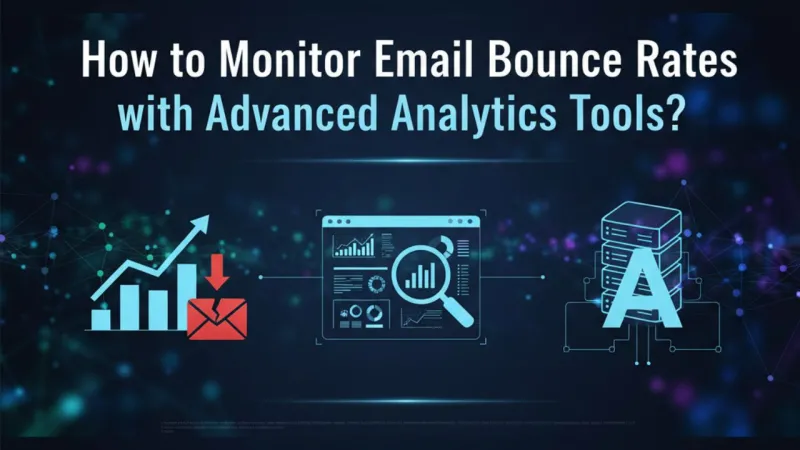
5 Email Verification Tools That Keep Bounce Rates Low
In today’s hyper‑connected marketplace, a single mis‑directed email can erode the credibility ... Read More
Top Posts

A Fresh Playbook for Everyday Kids Safety
Learn how to turn safety into a family story, create child‑friendly emergency kits, and teach digital vigilance—all while building confidence and peace of m...Read More

Transform Your Space with Curated Upcycled Art
Explore the charm of upcycled art, learn to blend reclaimed pieces with modern design, and create a sustainable, story‑rich home that evolves with you....Read More

Eco‑Play Revolution: The Shift to Biodegradable Toys
Biodegradable toys are transforming play by combining eco‑friendly materials, smart design, and parental demand, offering a sustainable alternative that educa...Read More

Beyond Uptime: How Privacy‑First Web Hosting Fuels Trust
Explore the shift from basic uptime to privacy‑first web hosting, learn how to evaluate hosts for data residency and encryption, and see a step‑by‑step pl...Read More
0 Comments
Post Comment
You will need to Login or Register to comment on this post!