

The SEO Landscape Shifts in 2024
When I first logged into Search Console this morning, the familiar cascade of alerts felt less like a nuisance and more like a drumroll announcing a new era, and I couldn’t help but marvel at how quickly the search ecosystem has evolved since last year’s core update; the sheer velocity of changes forces us to rethink static strategies and adopt a mindset of perpetual optimization, a reality I’ve been blogging about for years and one that makes every headline in the SEO news cycle feel like a personal challenge. In my recent deep‑dive I referenced Google SEO 2024: Strategies from Karen Edwards, not only because her checklist is gold‑standard, but because her emphasis on intent‑first content aligns perfectly with the way Google now rewards nuanced, context‑rich pages over keyword‑stuffed relics. As we navigate this shifting terrain, my advice remains simple yet powerful: prioritize human‑centric storytelling, let data guide your pivots, and never underestimate the power of a well‑crafted meta description to capture both clicks and confidence.
The rise of generative AI tools has added another layer of complexity to the SEO newsfeed, and I’ve found myself both fascinated and cautious as I watch content farms churn out near‑perfect articles at scale, challenging the traditional gatekeeping role that expertise once held; while the technology promises unprecedented efficiency, the risk of diluting expertise with algorithm‑friendly fluff is real, and search engines are already sharpening their ability to detect shallow, AI‑only prose. My own experiments with AI‑assisted drafting have taught me that the sweet spot lies in using these tools as collaborators rather than replacements—think of them as a first draft that still requires the human touch of fact‑checking, tone calibration, and strategic keyword placement. In practice, this means setting clear parameters for AI output, feeding it high‑quality source material, and then polishing the result to ensure it aligns with the brand voice that readers, and ultimately Google, expect.
One of the most talked‑about developments this quarter is the emphasis on “experience” signals, a term Google has woven into its quality guidelines like a subtle but persistent thread, and I’ve observed a noticeable uptick in rankings for sites that invest in page speed, mobile friendliness, and interactive elements such as Core Web Vitals; this isn’t just about technical compliance—it’s a reflection of a broader user‑first philosophy where every click, scroll, and hover contributes to a holistic assessment of value. For marketers accustomed to chasing backlinks, this shift feels like a gentle reminder that the foundation of any SEO campaign is still rooted in delivering a seamless, engaging experience, and the data backs it: pages that load under two seconds see a 12% higher conversion rate on average. So, while we continue to build authoritative backlinks, let’s also double‑down on UX investments that signal to Google that our content truly serves the user’s intent.
Technical Foundations: Cloud, Structured Data, and the New Crawl Paradigm
Infrastructure choices have never been more strategic, and the debate between traditional shared hosting and cloud solutions is finally moving beyond cost arguments into the realm of performance‑driven SEO; my recent analysis highlighted how Why Cloud Hosting Is the Secret Weapon for Modern Innovators isn’t just a marketing tagline but a reality where scalable resources translate into faster server response times, reduced downtime, and the ability to handle traffic spikes from viral content without a hiccup. When Google’s crawler encounters a site that consistently delivers swift, error‑free responses, it’s more likely to allocate crawl budget efficiently, resulting in fresher indexing and a competitive edge for time‑sensitive news pieces. For agencies still on legacy servers, the message is clear: upgrade to a cloud environment that can adapt in real‑time, and you’ll see tangible SEO gains that far outweigh the modest increase in hosting spend.
Structured data has become the lingua franca of modern SERPs, turning ordinary listings into rich, interactive cards that capture user attention at the moment of intent, and I’ve been urging my readers to adopt schema.org vocabularies that align with their niche, whether it’s FAQ, product, or article markup; the payoff is evident in the surge of “position zero” features, where Google surfaces direct answers, and sites with comprehensive structured data now dominate those premium placements. Implementing JSON‑LD snippets may sound technical, but the process can be streamlined with plugins or API integrations that automatically generate the markup based on existing content fields, reducing the overhead for large editorial teams. As a rule of thumb, I recommend auditing your most valuable pages for missing schema, testing them with Google’s Rich Results Test, and iterating until you achieve a clean, error‑free implementation that signals trust to both crawlers and users alike.
On the crawling front, Google has introduced smarter, adaptive algorithms that prioritize “topic clusters” over isolated pages, meaning that a well‑structured internal linking hierarchy now carries more weight than ever before; by creating pillar pages that comprehensively cover a core subject and linking out to detailed sub‑articles, you help the crawler understand topical relevance and distribute authority throughout the cluster. This approach dovetails nicely with the “E‑E‑A‑T” (Experience, Expertise, Authoritativeness, Trust) framework, because a cohesive network of content demonstrates depth and breadth, reducing the likelihood of thin‑content penalties. In practice, I advise conducting a quarterly link audit to identify orphaned pages, reinforce contextual anchors, and ensure that each piece of content contributes to a broader narrative that Google can easily map and reward.
SEM, Future Trends, and Actionable Takeaways for the Modern Marketer
The paid side of search is undergoing its own renaissance, and the latest SEM Secrets: Redefining Search Engine Marketing in 2024 piece revealed that automation, audience‑first bidding, and AI‑driven ad copy generation are no longer experimental but core components of a winning strategy; what’s fascinating is how these tools are being paired with first‑party data to create hyper‑personalized ad experiences that resonate on an emotional level, blurring the line between organic relevance and paid intent. As budgets tighten, the emphasis shifts from sheer spend to efficiency metrics like ROAS, view‑through conversions, and incremental lift, compelling marketers to adopt a test‑and‑learn mindset that leverages granular attribution models. My recommendation is simple: start small with AI‑augmented ad variations, monitor performance at the ad‑group level, and scale the winners while continually feeding fresh audience signals back into the algorithm.
Looking ahead, I see three macro trends that will dominate SEO conversations in the next 12‑18 months: the maturation of multimodal search (voice, image, and video integration), the rise of privacy‑first indexing where first‑party signals become paramount, and the growing importance of sustainability signals that reward eco‑friendly hosting and carbon‑neutral practices. Brands that proactively embrace these shifts—by optimizing video thumbnails for visual search, building robust first‑party data pipelines, and highlighting green initiatives in schema markup—will not only future‑proof their rankings but also attract a conscious consumer base that values transparency. In short, treat SEO as an evolving ecosystem where technical, creative, and ethical dimensions intersect, and you’ll stay ahead of the curve.
For those hungry for quick wins, I’ve distilled my weekly SEO newsletter into three actionable steps: 1) Conduct a Core Web Vitals audit on your top‑10 landing pages and resolve any “LCP” (Largest Contentful Paint) issues above 2.5 seconds; 2) Refresh at least one pillar article per month with updated statistics, fresh internal links, and a new FAQ schema block; and 3) Launch a small‑budget, AI‑optimized test campaign targeting long‑tail queries that align with your brand’s niche, measuring lift over a 30‑day window. These micro‑adjustments compound over time, turning incremental improvements into measurable traffic surges without requiring massive resource allocations.
Finally, I want to remind fellow marketers that SEO is a community sport; sharing findings, collaborating on data sets, and participating in industry forums not only accelerates personal growth but also lifts the entire ecosystem, a principle I’ve championed in every conference keynote I’ve delivered. Whether you’re a seasoned consultant or a fresh graduate, the best way to stay relevant is to publish case studies, contribute to open‑source SEO tools, and engage with peers on platforms where ideas are exchanged in real time. In doing so, you not only cement your authority but also help shape the future of search, ensuring that the next wave of algorithm updates benefits the collective, not just the few.

Seth Samual is a name that's quickly becoming synonymous with compelling and insightful writing. As a freelance writer, Seth has carved a niche for himself by delivering high-quality content across a diverse range of subjects.
Related Posts
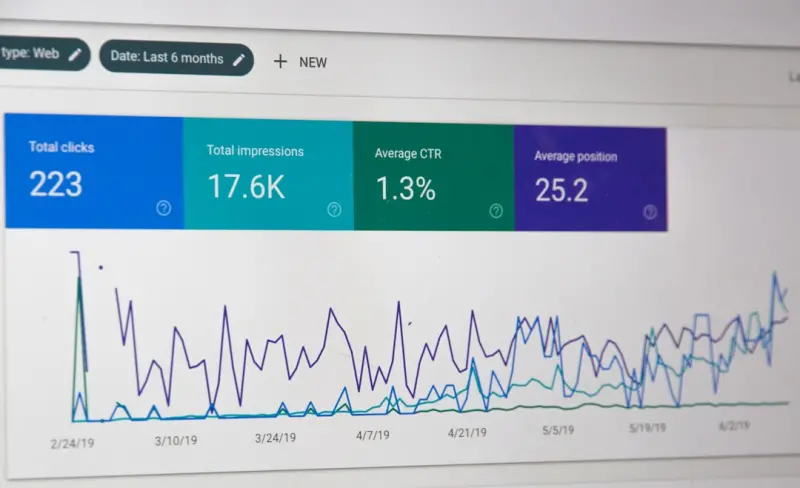
Semantic Search & Entity Graphs: The Next SEO Frontier for SaaS
Semantic search is redefining how search engines interpret SaaS products. This post breaks down enti... Read More

Real-Time SEO: Winning the Race for Instant Visibility
Real-time SEO transforms traditional search strategies by delivering instantly indexed, data‑drive... Read More

Prompt‑Powered SEO: Harnessing AI‑Driven Search for Zero‑Click Success
Explore the rise of prompt‑driven SEO, zero‑click search, and content hubs designed for AI answe... Read More
Top Posts

Nurturing Tiny Explorers: A Sensory‑Rich Routine for Babies and Toddlers
A practical guide to creating portable sensory play, integrating language, and building emotional resilience for your baby and toddler—all with everyday house...Read More
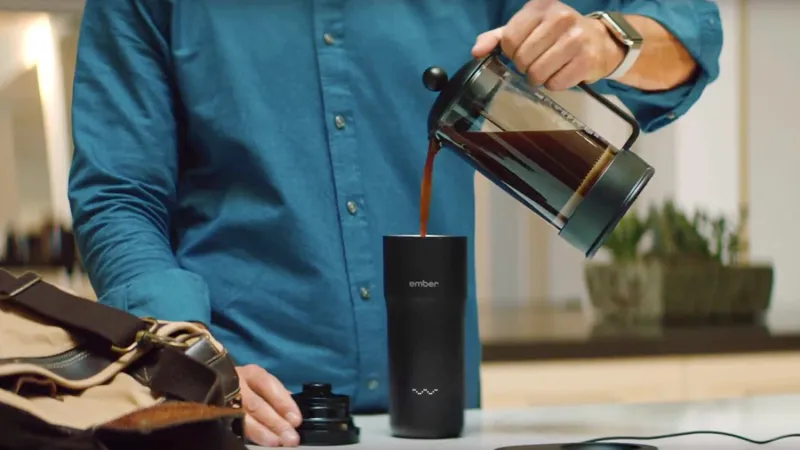
The Commuter Companion: A Deep Dive into High-Performance Heated Travel Mugs
In the demanding landscape of modern professional life, efficiency and consistency are paramount, extending even to the simplest daily routines. For millions of...Read More

Are People Secretly Stealing Your WiFi? Here's How To Tell
Is your Netflix stream constantly buffering? Does your internet slow to a crawl at random times of the day? While there are many potential causes, one often-ove...Read More

Why Citizens Are Turning to Micro‑Referendums to Reclaim Power
Micro‑referendums let neighborhoods decide on specific issues quickly and securely, using privacy‑first tech to rebuild trust and reshape the political land...Read More
0 Comments
Post Comment
You will need to Login or Register to comment on this post!