
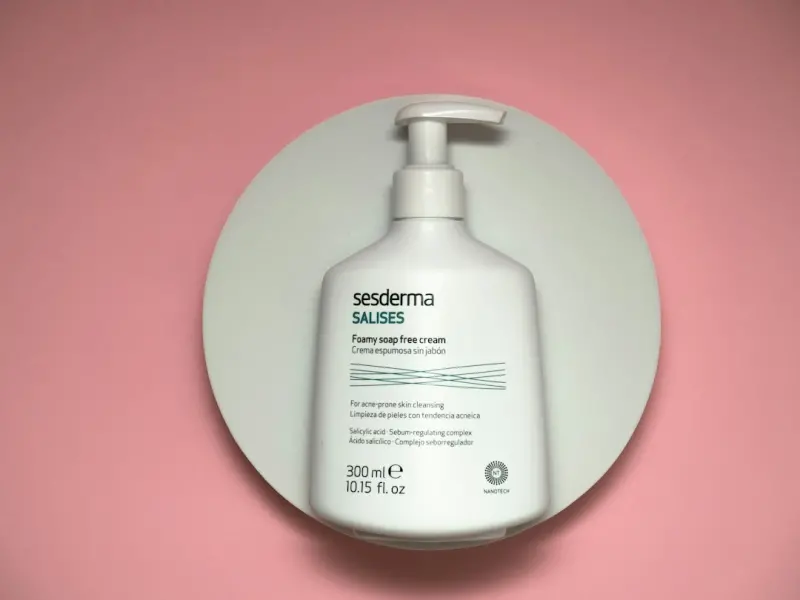
When I first heard the term “skin microbiome,” I imagined a tiny, bustling city living on my face—bacteria, fungi, and viruses all negotiating territory, sharing resources, and silently influencing how I look and feel. It turns out that this invisible metropolis is not a sci‑fi fantasy; it’s a real, dynamic ecosystem that plays a starring role in everything from acne breakouts to the subtle signs of aging. As personal‑care brands scramble to catch up, a new wave of microbiome‑friendly products is emerging, promising not just cleaner skin but a healthier, more balanced skin barrier.
Why the Microbiome Matters More Than Ever
For decades, skincare has been dominated by the “kill‑the‑germs” mindset. Harsh antibacterials, high‑pH soaps, and aggressive exfoliants were marketed as the holy grail of clear skin. But recent research reveals a paradox: wiping out too many of the good microbes can actually weaken the skin’s natural defenses, leaving it vulnerable to irritation, inflammation, and even premature aging.
The skin microbiome functions much like the gut microbiome—maintaining a delicate equilibrium that protects against pathogens, modulates immune responses, and even influences emotional wellbeing through the skin‑brain axis. When this balance is disrupted, you might notice:
- Increased redness and sensitivity – a sign that the barrier is compromised.
- Frequent breakouts – not just from excess oil, but from an overgrowth of opportunistic bacteria.
- Dryness or flakiness – caused by a loss of lipid‑producing microbes.
- Uneven skin tone – as inflammation interferes with melanin production.
Understanding this ecosystem is the first step toward a more holistic approach to personal care.
From Lab to Shelf: How Brands Are Embracing Microbial Science
It didn’t take long for forward‑thinking formulators to translate microbiome insights into product lines. Companies are now leveraging prebiotics (ingredients that feed beneficial microbes), probiotics (live beneficial microbes), and postbiotics (metabolites produced by microbes) to nurture the skin’s natural community.
One notable trend is the use of fermented extracts. These ingredients are rich in peptides, antioxidants, and organic acids that both support microbial health and provide visible skin benefits. Another emerging category is soil‑derived actives, such as Bacillus subtilis ferment filtrates, which have been shown to improve barrier function and reduce transepidermal water loss.
Even big‑brand giants are joining the movement. You’ll now find entire ranges labeled “Microbiome‑Balanced” or “Skin‑Friendly Microflora” on store shelves, and the packaging often emphasizes gentle, pH‑balanced formulas that avoid harsh sulfates and alcohols.
Practical Tips for Consumers: Curating a Microbiome‑Friendly Routine
While the market is expanding, the sheer volume of new products can feel overwhelming. Here’s a straightforward framework to help you make microbiome‑savvy choices without getting lost in the hype:
- Start with a gentle cleanser. Look for sulfate‑free formulas with a pH around 5.5–6.0. Ingredients like panthenol and glycerin help maintain moisture without stripping microbes.
- Introduce a prebiotic serum. Ingredients such as inulin, alpha‑glucan oligosaccharide, and beta‑glucan feed good bacteria, encouraging a balanced ecosystem.
- Consider a probiotic moisturizer. Live‑culture creams or lotions containing Lactobacillus strains can replenish beneficial microbes after cleansing.
- Don’t forget the postbiotic boost. Products rich in lactic acid, pyruvic acid, and other microbial metabolites can soothe inflammation and reinforce the barrier.
- Limit over‑exfoliation. While chemical exfoliants like AHAs are effective, overuse can disrupt the microbiome. Stick to 2–3 times per week and follow with a barrier‑supporting moisturizer.
- Watch the fragrance. Synthetic fragrances often contain compounds that can irritate the skin’s microbial residents. Opt for fragrance‑free or naturally scented options.
By layering these steps—cleanse, nourish, protect—you create a routine that respects the skin’s internal community while still delivering the aesthetic results you crave.
Micro‑Interactions in Personal Care: A Parallel Insight
Interestingly, the concept of “micro‑interactions” isn’t limited to digital design. Just as tiny gestures can drive big returns in mobile experiences, micro‑level decisions in skincare (like choosing a prebiotic serum) can have outsized effects on overall skin health. The analogy underscores a broader truth: small, thoughtful actions accumulate into transformative outcomes.
The Role of Technology: AI Meets the Microbiome
While many associate AI with algorithmic recommendations for makeup shades, its potential reaches far beyond color matching. In the realm of microbiome‑centric care, AI is being used to analyze skin microbiota samples, predict flare‑ups, and suggest personalized product regimens. The AI-driven beauty trends are now converging with microbiology, enabling brands to craft formulas that adapt to an individual’s unique microbial profile.
Imagine a future where a simple at‑home skin swab uploads data to a cloud platform, which then generates a bespoke routine—complete with prebiotic cleanser, probiotic serum, and postbiotic night cream—all calibrated to your skin’s current microbial state. This level of personalization could revolutionize not only efficacy but also sustainability, as consumers would purchase only what truly benefits their skin.
The Quiet Revolution in Personal Care
Just as acoustic upgrades sparked a quiet revolution in home comfort, microbiome‑friendly personal care is ushering in a subtler, yet profound shift. It’s not about flashy ingredients or loud marketing slogans; it’s about listening to the skin’s own language and responding with nuance.
This quiet approach aligns with a broader consumer desire for transparency and authenticity. People are increasingly skeptical of “miracle” claims and are looking for science‑backed, gentle solutions that respect their body’s innate systems.
Challenges and Considerations
Despite the excitement, the field faces several hurdles:
- Regulatory gray zones. Probiotic and live‑culture claims are still navigating complex regulatory frameworks, varying by region.
- Stability issues. Keeping live microbes viable in a cream or serum requires sophisticated formulation techniques and packaging innovations.
- Consumer education. Many shoppers still equate “microbe” with “germ.” Clear, accessible messaging is essential to bridge this knowledge gap.
Brands that invest in robust scientific validation and transparent communication will likely lead the market.
Future Outlook: What’s Next for Microbiome‑Centric Care?
Looking ahead, three developments seem poised to shape the landscape:
- Personalized diagnostics. Home testing kits will become mainstream, enabling real‑time monitoring of the skin microbiome.
- Smart packaging. Sensors embedded in containers could alert users when a probiotic product has lost potency.
- Cross‑industry collaborations. Dermatologists, microbiologists, and AI developers will join forces to create truly integrative solutions.
When these innovations converge, the result could be a holistic, data‑driven personal care ecosystem—one that not only treats symptoms but nurtures the skin’s internal environment for lasting health.
Final Thoughts
The rise of microbiome‑friendly personal care signals a shift from a battle‑against microbes to a partnership with them. By embracing prebiotics, probiotics, and postbiotics, we can move toward routines that support a resilient skin barrier, reduce irritation, and enhance natural radiance. As technology continues to blend with biology, the future of personal care will be less about quick fixes and more about sustainable, science‑backed harmony.

Tyler Johnson is a seasoned freelance writer with a keen eye for detail and a passion for crafting compelling narratives. His years of experience have honed his ability to adapt his style to suit diverse client needs and project requirements.
Related Posts
Reimagining Personal Care Through the Microbiome Lens
A microbiome‑first mindset turns everyday personal care into a holistic practice, feeding benefici... Read More
Scent, Sound, and Skin: The New Triad of Personal Care
Discover how combining scents, soothing sounds, and tactile textures can transform daily grooming in... Read More

Cultivating a Skin Microbiome: A Fresh Approach to Personal Care
Discover why the skin microbiome is vital, how to audit your routine, and practical steps—includin... Read More
Top Posts
Reasons why grooming your dog is good for you and the dog
Dog ownership is a journey filled with unparalleled joy, unwavering companionship, and boundless love. Yet, beneath the wagging tails and the happy barks lies a...Read More

Beyond Likes: Harnessing Conversational Communities for Real Marketing Impact
Explore the rise of conversational communities, how they boost authentic engagement, and why they’re becoming the cornerstone of modern marketing strategy....Read More

5 Key Reasons Why You Should Hire a Ghostwriter
In today's knowledge-driven economy, the ability to articulate ideas, share expertise, and craft compelling narratives is more valuable than ever. From entrepre...Read More
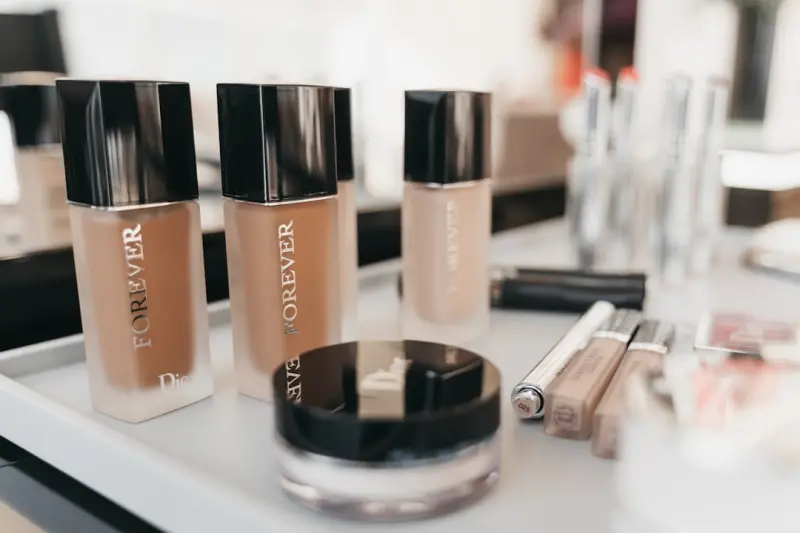
Skin‑First Beauty: Building a Flawless Base Without Masking Your Glow
Learn how to nurture your skin barrier, choose transparent ingredients, and layer products for a radiant, flawless base that celebrates natural glow....Read More
0 Comments
Post Comment
You will need to Login or Register to comment on this post!