
When I first walked into a boutique that let me scan my skin with a handheld device and walked out with a custom‑blended serum, I felt like I’d stepped onto a sci‑fi set. The beauty industry, traditionally ruled by glossy ads and celebrity endorsements, is now being rewritten by algorithms that know more about our pores than we do. In this post, I’ll unpack how AI is reshaping the way we discover, purchase, and experience cosmetics—without losing the human touch that makes beauty feel personal.
From “One‑Size‑Fits‑All” to Hyper‑Personalized Formulas
For decades, the beauty market relied on broad categories: “dry skin,” “anti‑aging,” “matte finish.” Those labels helped retailers stock shelves, but they often left consumers guessing. Today, data points—like real‑time humidity, sleep patterns, and even the microbiome of your skin—are feeding sophisticated recommendation engines.
What does this mean for you? Imagine a morning routine that adapts to your night’s rest. If you slept poorly, your AI‑curated cleanser might prioritize soothing ingredients; if you had a high‑intensity workout, your moisturizer could lean into antioxidant protection.
This shift isn’t just about convenience. It’s also about efficacy. Studies show that products tailored to an individual’s specific skin chemistry see higher satisfaction rates and lower waste—a win for both the consumer’s wallet and the planet.
The Engine Under the Hood: How AI Predicts Your Perfect Shade
At the heart of these personalized experiences are deep‑learning models trained on millions of images and user feedback. Companies feed the system data such as:
- Skin tone and undertone analysis via smartphone cameras.
- Ingredient sensitivities reported in surveys.
- Environmental data (UV index, pollution levels).
The model then cross‑references this with a massive database of product formulations. By identifying patterns—say, a correlation between certain pigments and skin undertones—it can suggest a foundation shade that blends seamlessly, reducing the dreaded “orange‑tone” mishap.
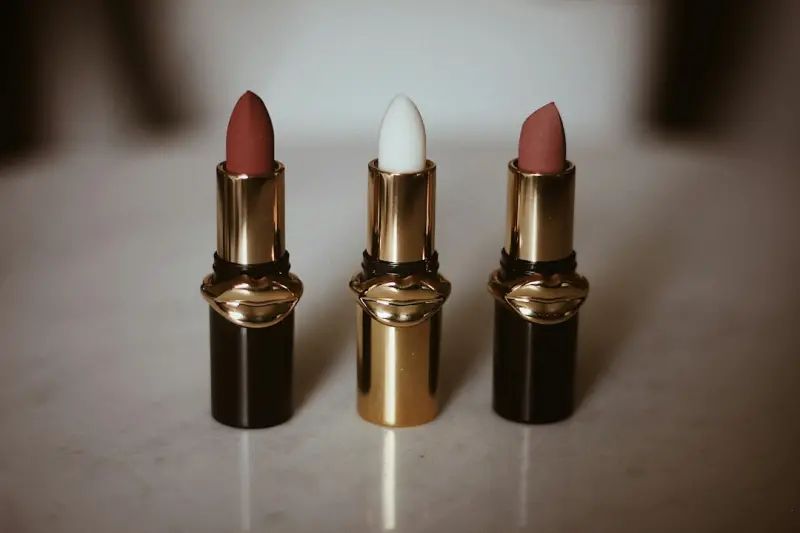
One standout example is a startup that uses a generative adversarial network (GAN) to simulate how a new lipstick will appear on a user’s lips under different lighting conditions. The result? A virtual try‑on that feels as reliable as a physical swatch, but without the waste.
And if you’re wondering how these AI tools stay fresh, they continuously learn from post‑purchase reviews. A user who reports “breakout after two days” feeds a signal back into the model, prompting it to flag that formulation for future users with similar skin profiles.
Balancing Innovation with Ethical Responsibility
While the tech is dazzling, it brings a host of ethical considerations. The most pressing is data privacy. Beauty brands collect intimate details—from hormonal cycles to stress levels—to fine‑tune recommendations. Consumers must trust that their data isn’t being repurposed for unrelated marketing.
Enter the concept of digital boundaries. It’s not just about limiting screen time; it’s about ensuring that personal health data remains within the ecosystem that earned it. Brands that adopt transparent data policies and give users control over what’s shared will stand out in an increasingly privacy‑aware market.
Another concern is algorithmic bias. If the training data leans heavily toward certain ethnicities or skin tones, the recommendations can unintentionally marginalize underrepresented groups. The solution lies in diverse data collection and regular audits of model outputs—something forward‑thinking beauty brands are already prioritizing.
The Community Factor: How Social Platforms Amplify AI Beauty
Social media has always been a catalyst for beauty trends, but platforms like TikTok have evolved into living laboratories where creators test, iterate, and perfect product concepts in real time. The feedback loop between creators, AI recommendation engines, and consumers is tighter than ever.
Take the phenomenon of “#AI‑SkincareRoutine” challenges, where users post videos of their AI‑generated regimen and share results after a month. Brands monitor these trends, feeding the data back into their algorithms to refine product suggestions. This synergy is captured perfectly in the article TikTok beauty labs, which illustrates how viral content can directly influence product development cycles.
Beyond trend spotting, community engagement helps maintain a healthy relationship with technology. When users see real people (not just CGI models) benefiting from AI‑driven formulas, it humanizes the tech and builds trust.
Storytelling Meets Science: The Role of Creative AI
While numbers drive formulation, narratives sell them. Brands are now leveraging AI not just for product accuracy, but for storytelling—crafting compelling brand narratives that resonate on an emotional level. For instance, an AI‑powered copy generator can analyze a consumer’s past purchases and craft a personalized email that feels hand‑written.
One fascinating case study is highlighted in AI‑powered storytelling, where interactive narratives adapt based on user choices. In the beauty space, similar tech can power “choose‑your‑own‑adventure” product journeys, allowing shoppers to explore the science behind each ingredient in a gamified format.
Future Horizons: Sustainable Tech and the New Beauty Paradigm
Looking ahead, the convergence of AI and sustainability will define the next wave of beauty innovation. Here’s what to watch for:
- Zero‑Waste Formulations: AI can optimize ingredient ratios to reduce excess, ensuring each batch is as efficient as possible.
- Biodegradable Packaging Design: Machine learning models simulate stress tests on eco‑friendly materials, accelerating the shift away from plastics.
- Carbon‑Footprint Transparency: Real‑time data dashboards (similar to those used in SaaS for marketing) can display the environmental impact of each product, empowering eco‑conscious shoppers.
The beauty industry’s future is not a distant, abstract concept—it’s unfolding in our bathrooms today, guided by the same data‑driven principles that power the most successful SaaS platforms.
Practical Takeaways for Beauty Enthusiasts
Whether you’re a seasoned makeup artist or a casual skincare fan, here’s how to navigate this AI‑infused landscape:
- Ask About Data Use: Before committing to a personalized regimen, inquire how your data will be stored and whether you can delete it.
- Blend Tech with Tactile Experience: Use virtual try‑ons as a starting point, but still test products in‑store when possible to confirm texture and scent.
- Stay Informed on Trends: Follow creators who discuss both the tech and the feel of products—this balanced perspective helps you avoid hype traps.
- Support Ethical Brands: Look for companies that publish diversity reports for their AI models and have clear sustainability goals.
In the end, beauty remains a deeply personal expression. AI is simply a new brush, one that can paint with unprecedented precision, but it still requires a skilled hand—and a thoughtful mind—to create a masterpiece.

Armed with a degree in English Literature, Jill’s journey into the digital space wasn't just a career move; it was a natural extension of her lifelong love affair with storytelling. While some writers view search engine optimization (SEO) as a rigid constraint, Jill sees it as a creative puzzle. She understands the delicate art of balancing the algorithmic demands of search engines with the human desire for resonance, emotion, and value. To Jill, keywords aren't just targets to hit; they are the breadcrumbs that lead eager readers straight to the answers they’ve been searching for.
Related Posts
Why Your Lipstick Deserves a Science-Backed Shelf Life Plan
Explore the chemistry, application techniques, and future trends that keep lip color vibrant longer,... Read More
Nurturing the Skin Microbiome: Sustainable Beauty Choices for the Modern Consumer
Explore how caring for your skin’s microbiome, choosing eco‑friendly packaging, and leveraging A... Read More
The Rise of Ingredient Transparency: Redefining Beauty Rituals
A deep dive into the growing demand for ingredient transparency, its impact on brand strategies, and... Read More
Top Posts
Plant‑Based Surfactants and DIY Solutions: A Fresh Take on Eco‑Cleaning
Explore innovative, DIY eco‑cleaning methods—from plant‑based surfactants to enzyme cleaners—that slash waste, cut carbon footprints, and keep your home...Read More

How to Turn Niche Audio Communities into a Social Media Growth Engine
Explore the untapped potential of audio‑first social platforms, learn practical steps to create engaging clips, integrate insights into your martech stack, an...Read More

AI‑Powered Web Hosting: The Quiet Revolution Shaping Tomorrow’s Sites
Machine learning is turning traditional web hosting into a proactive, self‑optimizing service. Discover how AI-driven resource management, security, and cost ...Read More

Decoding the AI Revolution: A Human-Centric Roadmap for the Future
AI is reshaping our world. Robert Mathews delves into its current landscape, transformative power, and the ethical challenges it presents. Learn how individuals...Read More
0 Comments
Post Comment
You will need to Login or Register to comment on this post!