
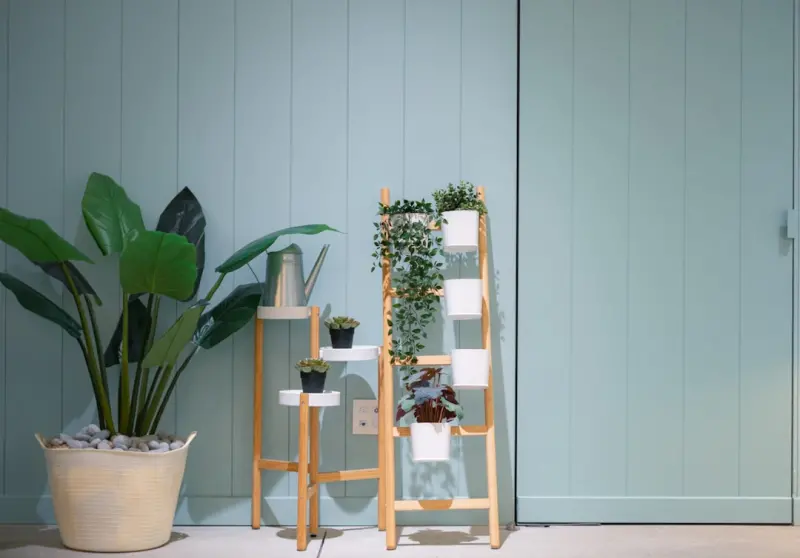
Imagine stepping onto a cramped balcony and being greeted by a cascading tapestry of herbs, greens, and flowers—each leaf breathing life into a space that once felt barren. That’s the magic of a vertical garden, a thriving oasis you can create with nothing more than ingenuity, a dash of patience, and a few reclaimed treasures from around your home. In this guide, I’ll walk you through the why, the how, and the deep‑down delight of building a vertical garden that not only looks stunning but also champions sustainability.
Why Go Vertical?
Urban living often means square footage is at a premium. Traditional ground‑level gardens demand space you simply don’t have. Vertical gardening flips that limitation on its head by using the third dimension—walls, railings, and even the side of a fence. Here are a few compelling reasons to give it a try:
- Maximized Yield in Minimal Space: A single square foot of wall can host multiple rows of plants, dramatically increasing your harvest.
- Improved Air Quality: Plants act as natural air filters, and placing them at eye level ensures you inhale their benefits throughout the day.
- Thermal Insulation: Green walls can help moderate temperature swings on balconies, keeping them cooler in the heat and retaining warmth when it’s chilly.
- Creative Expression: The design possibilities are endless—geometric patterns, flowing vines, or a curated color palette.
Choosing the Right Materials
The beauty of a DIY vertical garden lies in repurposing what you already have. Below are some of my favorite recycled materials that double as functional planters:
- Wooden Pallets: A classic choice. Sand down any rough edges, treat with a natural sealant, and you’ve got a ready‑made framework.
- Old Shoe Boxes: Perfect for herbs that need shallow roots. Stack them or attach them in a staggered fashion for visual interest.
- Glass Bottles: Cut them in half and mount them horizontally for a modern, translucent look that catches sunlight beautifully.
- Metal Wire Mesh: Ideal for climbing vines. Secure the mesh to a sturdy backing and watch as nature weaves its own tapestry.
When selecting materials, keep an eye on durability, weight, and weather resistance. Treating wood with a sustainable design principles mindset—such as using low‑VOC finishes—ensures your garden remains both beautiful and eco‑friendly.
Essential Tools and Supplies
Before you dive in, gather these basics:
- Drill with assorted bits (for mounting and creating drainage holes)
- Stainless‑steel screws or galvanized nails
- Water‑proof liner (heavy‑duty landscaping fabric works well)
- Potting mix—prefer a lightweight, well‑draining blend
- Self‑watering reservoirs or a simple drip system for consistent moisture
- Protective gloves and goggles (safety first, even with reclaimed items)
Step‑by‑Step Build
- Plan Your Layout: Sketch the dimensions of your balcony or patio wall. Decide how many rows you want and the spacing between each planter.
- Prepare the Structure: If using a pallet, reinforce any weak slats. For shoe boxes, stack them securely and attach a backboard for stability.
- Install a Waterproof Barrier: Line the back of each planter with your chosen liner to prevent water damage to the underlying surface.
- Add Drainage: Drill small holes at the bottom of each container. If using glass bottles, ensure a small opening remains for excess water to escape.
- Mount the System: Secure the entire assembly to the wall or railing using heavy‑duty brackets. Double‑check that it can support the combined weight of soil, plants, and water.
- Fill with Soil: Use a light potting mix, adding a handful of perlite or vermiculite for extra aeration.
- Plant Your Selections: Follow the planting guide below. Press the roots gently into the soil, and give each plant enough room to grow vertically.
- Water Thoughtfully: Start with a thorough soak, then let the water drain. Incorporate a zero‑waste mindset by using rain barrels or reclaimed containers for irrigation.
- Maintain Regularly: Prune, fertilize, and monitor for pests. A vertical garden thrives on consistent care and occasional tweaking.
Selecting the Perfect Plants
Choosing plants that flourish in a vertical setting is crucial. Here’s a quick guide based on light exposure and growth habit:
- Full Sun (6+ hrs): Cherry tomatoes, nasturtiums, basil, and dwarf peppers.
- Partial Shade (3‑5 hrs): Lettuce, spinach, kale, and herbs like mint and cilantro.
- Low Light: Ferns, pothos, and ivy—great for deeper balconies that receive filtered light.
Mix foliage with flowering varieties for a dynamic visual display. Pair a trailing vine like sweet pea with a compact herb such as thyme, and you’ll enjoy both culinary and aesthetic rewards.
Seasonal Care Tips
Vertical gardens respond quickly to environmental changes, so tailoring your care routine to the seasons will keep them thriving year‑round.
Spring
Start with a light fertilization—organic fish emulsion works wonders. Gradually increase watering as temperatures rise, and keep an eye out for early pests like aphids.
Summer
Heat can dry out soil faster on vertical surfaces. Install a simple drip line or use a watering can with a narrow spout to target the base of each plant. Mulch lightly with shredded coconut coir to retain moisture.
Autumn
Begin transitioning to cool‑season crops. Reduce watering frequency as evaporation slows, and prune any leggy growth to encourage denser foliage.
Winter
If you live in a frost‑prone area, consider moving portable sections indoors or covering them with frost cloth. Succulents and hardy herbs like rosemary can tolerate brief cold snaps.
Sustainability Benefits Beyond the Aesthetic
While the visual payoff is undeniable, the environmental upside of a vertical garden is equally compelling:
- Reduced Food Miles: Growing herbs and vegetables at home means less reliance on store‑bought produce, cutting down transportation emissions.
- Rainwater Harvesting: Pairing your garden with a rain barrel turns each drop into a nurturing sip for your plants, embodying the soil health tips you’ve heard about in other contexts.
- Upcycled Materials: By repurposing old wood, glass, and metal, you divert waste from landfills and give new life to everyday objects.
- Biodiversity Support: Even a modest wall of foliage provides habitat for pollinators, beneficial insects, and birds—creating a micro‑ecosystem right on your balcony.
Common Challenges and How to Overcome Them
Every new project brings a learning curve. Here are a few hurdles you might encounter and quick fixes:
- Water Runoff: If water drips onto the floor below, add a shallow tray or waterproof mat beneath the garden.
- Weight Concerns: Use lightweight soil mixes and limit the number of large containers if your balcony’s load capacity is limited.
- Pest Intrusions: Introduce companion plants like marigold or use neem oil spray to keep insects at bay without harsh chemicals.
- Uneven Light: Rotate the garden periodically or install reflective panels to ensure all sides receive adequate sunlight.
Bringing It All Together: Your Personal Green Canvas
At its heart, a vertical garden is more than a collection of pots—it’s a living canvas that evolves with your taste, your season, and your commitment to a greener lifestyle. The joy of harvesting a basil leaf for tonight’s pasta, or catching a hummingbird pause on a blooming trumpet vine, is a reminder that even in the smallest urban nook, nature can flourish.
So grab those forgotten shoe boxes, dust off that old pallet, and let your imagination climb as high as the vines you’ll nurture. With a little effort and a splash of sustainable thinking, you’ll transform an ordinary balcony into a thriving vertical sanctuary—one repurposed piece at a time.

Jessica Gills is a freelance writer carving a niche for herself by empowering others through her words. With a focus on careers, self-development, and business, she helps readers navigate the complexities of the modern professional landscape.
Related Posts
Cultivating a Mindful Garden: From Soil Secrets to Community Harvests
Discover a fresh approach to gardening that blends soil science, inclusive design, and community eng... Read More
Balcony Micro‑Ecosystems: Crafting a Sensory Garden in Small Spaces
Turn your balcony into a living sanctuary. Learn modular tools, smart soil tricks, and sensory plant... Read More
Cultivating Your Personal Microclimate: A Gardener’s Guide to Weather‑Smart Planting
Discover the art of microclimate gardening: map your balcony’s unique conditions, choose compatibl... Read More
Top Posts

Beyond Clean: Crafting a Holistic Personal Care Ritual That Feels Like a Celebration
Learn how to transform everyday personal care into a sensory-rich ritual by mapping senses, integrating science, leveraging smart tools, and embracing sustainab...Read More

The AI‑Driven Evolution of Search: Zero‑Click Strategies for SaaS Brands
Search engines now answer queries before users click. This article explains how SaaS marketers can own the AI‑driven SERP with zero‑click strategies, struct...Read More

Shared Hosting Secrets: How to Grow Your Site Without Breaking the Bank
Learn how to select, protect, and scale a shared hosting plan for your growing website, using real‑world experience and sustainable choices....Read More

What Makes Oster Blenders So Special
In the bustling landscape of modern kitchen appliances, where innovation often prioritizes fleeting trends, some brands distinguish themselves through a steadfa...Read More
0 Comments
Post Comment
You will need to Login or Register to comment on this post!