
When I first stepped into my grandparents’ overgrown backyard, the tangled vines and wildflowers felt like a secret language waiting to be decoded. That moment sparked my lifelong curiosity: gardens aren’t just a collection of plants—they’re living, breathing ecosystems that mirror our own inner worlds. In this post I’ll share how to tune into that subtle dialogue, build a garden that nourishes both soil and soul, and turn the act of planting into a daily practice of intentional growth.
Listening to the Soil: The Unseen Conversations Beneath Our Feet
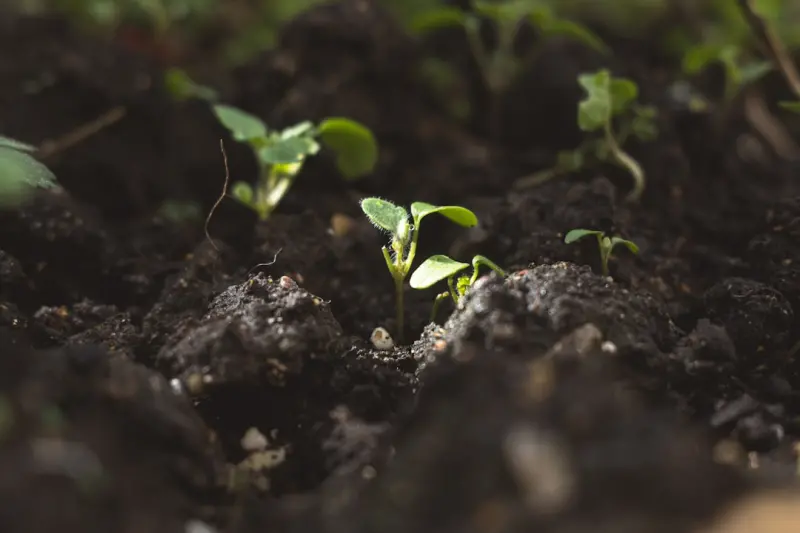
Most gardeners start with the visible: the colors, the textures, the scents. Yet the real magic happens underground, where billions of microbes, fungi, and tiny arthropods form a complex network that we call the soil microbiome. Think of it as a bustling city—each resident has a role, from breaking down organic matter to forming symbiotic relationships with plant roots. When we respect and nurture this underground community, our above‑ground garden thrives.
- Give the soil a voice. Instead of treating soil as a static medium, talk to it. Lightly brush your hands over the surface while you work, and notice the texture—loose and crumbly, or compact and heavy? This tactile feedback tells you if you need more organic matter or better drainage.
- Feed the microbes. Add compost, leaf mold, or well‑rotted manure. These organic amendments are the fuel that microbes use to multiply and become more efficient at nutrient cycling.
- Rotate and diversify. Plant families with different root structures (deep‑tap roots, fibrous roots) in succession. This diversity creates micro‑habitats, encouraging a richer microbial palette.
When you start seeing soil as a partner rather than a substrate, you’ll notice subtle changes: faster greening, fewer pest outbreaks, and a garden that seems to “remember” your care.
Designing with Inclusivity: A Garden for All Senses
Just as inclusive design principles have reshaped digital experiences, they can transform a garden into a sanctuary for every visitor—whether they’re neurotypical, neurodivergent, or simply have different sensory preferences. Here’s how to weave inclusivity into your planting plan:
- Texture variety. Include plants with contrasting leaf surfaces—silky lamb’s ear, fuzzy sage, smooth hostas. The tactile diversity invites touch, an especially valuable sensory input for those who process the world through touch.
- Color contrast and safety. Use high‑contrast pairings (deep violet lupines against bright yellow marigolds) to help people with visual processing challenges navigate the space.
- Soundscapes. Add rust‑rustling grasses, seed‑pods that crackle, or a small water feature. Gentle sounds can calm the nervous system and provide auditory cues for orientation.
- Seasonal consistency. Plant perennials that bloom at predictable times. Predictability reduces anxiety for those who thrive on routine.
When a garden welcomes every sense, it becomes a community hub where people of all ages and abilities feel seen and supported.
The Garden as a Knowledge Hub: Growing Ideas, Not Just Plants
In the digital world, knowledge hubs have replaced static pages, offering dynamic, user‑driven learning. A well‑planned garden can serve a similar purpose—becoming a living repository of lessons about ecology, patience, and resilience.
Consider these “learning stations”:
- Experiment beds. Dedicate a small patch to trial different planting methods—no‑till, raised rows, or hydro‑ponic towers. Document outcomes with a garden journal or a simple QR code that links to a digital log.
- Pollinator corners. Plant native wildflowers and install bee houses. Observe which insects visit, when they arrive, and how they affect fruit set. This real‑time data becomes a conversation starter for neighbors and school groups.
- Seasonal workshops. Host monthly gatherings where you demonstrate composting, seed saving, or soil testing. The garden then morphs from a private hobby into a shared classroom.
By treating your garden as a dynamic hub of information, you’ll find yourself continuously learning, adapting, and sharing—much like the modern content strategies that keep audiences engaged.
Micro‑Adventures in the Backyard: Turning Small Spaces into Big Experiences
We often think of adventure as a trek to distant mountains, but the concept of micro‑adventure—short, local, low‑cost explorations—fits perfectly into gardening. Instead of a weekend getaway, create a “garden quest” that can be completed in a single afternoon:
- Treasure hunts. Bury biodegradable markers near roots of newly planted herbs. The hunt encourages kids (and adults) to learn plant names while moving through the soil.
- Night‑time garden walks. Install soft solar lights and guide visitors to night‑blooming plants such as evening primrose or moonflower. The altered lighting changes perception, revealing new textures and scents.
- Seasonal snapshots. Provide a small tripod and a Polaroid or instant‑print camera for guests to capture “the first bud of spring” or “the last leaf of autumn.” These tactile moments deepen emotional attachment to the space.
Micro‑adventures turn the garden into a playground for curiosity, proving that extraordinary experiences can be found right outside your backdoor.
Resilient Planting: Preparing for Unpredictable Weather
Climate uncertainty is a growing concern, but gardeners can adopt strategies that buffer their beds against extremes:
- Water‑wise planting. Choose drought‑tolerant species like lavender, sedum, or native grasses. Mulch heavily to retain moisture and suppress weeds.
- Windbreaks. Plant a staggered row of shrubs (e.g., hazel, viburnum) on the wind‑facing side of your garden to reduce erosion and protect delicate perennials.
- Flexible structures. Use modular, movable trellises and raised beds that can be re‑positioned as weather patterns shift.
By anticipating change, you set your garden up for long‑term health, no matter how the climate behaves.
Harvesting Mindfulness: The Rituals That Anchor Your Day
Just as a morning coffee can ground a busy professional, a brief garden ritual can anchor you in the present. Here are three simple practices to embed mindfulness into your daily routine:
- Five‑minute root check. Spend a few minutes each morning gently brushing your fingers over the soil, feeling the coolness and noting any new growth.
- Breath‑sync watering. As you water, match your breath to the rhythm of the flow. Inhale as the hose fills the can, exhale as the water meets the leaves.
- Harvest gratitude. When you pick a vegetable or herb, pause to thank the plant, the soil, the sun, and the rain for their collaboration.
These tiny pauses transform a chore into a meditative practice, reinforcing the garden’s role as a source of calm and clarity.
Technology in the Garden: When Digital Tools Complement Nature
Even the most analog‑loving gardeners can benefit from subtle tech integration—think of a garden as a hybrid system where data informs intuition. Some tools to consider:
- Soil sensors. Devices that measure moisture, temperature, and pH can alert you via a smartphone app when a particular zone needs attention, helping you avoid over‑ or under‑watering.
- Companion‑plant apps. These platforms suggest optimal plant pairings based on shared nutrient needs and pest‑deterrent properties.
- Digital journals. Using a simple note‑taking app (or a more elaborate garden‑management platform) to log planting dates, bloom times, and harvest yields creates a searchable knowledge base for future seasons.
When technology serves as a gentle guide rather than a controlling force, it amplifies the garden’s inherent wisdom.
Community Roots: Sharing the Bounty and the Knowledge
Gardening is rarely a solitary endeavor; it flourishes when ideas, seeds, and harvests are exchanged. Consider these community‑building ideas:
- Seed swaps. Organize a monthly event where neighbors trade heirloom or locally adapted varieties. This not only diversifies your garden but also preserves genetic heritage.
- Garden-to‑table gatherings. Host a seasonal potluck featuring dishes made from your produce. Food becomes a conversation starter and a reminder of the garden’s tangible rewards.
- Volunteer days. Invite local schools or community groups to help with planting or clean‑up. The act of working together fosters a sense of stewardship and belonging.
These shared experiences reinforce the garden’s role as a living hub of community resilience and joy.
From Plot to Plate: Maximizing the Edible Edge of Your Space
Even if you only have a modest balcony or a windowsill, you can produce a meaningful harvest. Here are some strategies to stretch every inch:
- Vertical farming. Install pocket planters or tiered shelves to stack leafy greens, herbs, and small vines.
- Container intercropping. Plant fast‑growing radishes beneath slower‑maturing carrots; the radish matures and is harvested before the carrots need the deeper space.
- Companion herbs. Basil beside tomatoes or chives near strawberries can both improve flavor and deter pests, making the most of limited real estate.
With creativity, the line between “garden” and “kitchen” blurs, turning daily cooking into a direct dialogue with the soil.
Celebrating the Unseen: The Power of Soil‑Generated Art
Beyond the practical, there’s a quiet, artistic side to gardening. When you press a leaf onto a wet clay pot, you capture the intricate veining—a fleeting moment of nature’s design. Or, scatter fallen blossoms across a path to create a temporary mosaic that shifts with the wind. Such gestures invite mindfulness and honor the transient beauty that often goes unnoticed.
Incorporating these artistic moments turns the garden into a living gallery where each season curates a new exhibit.
Wrapping Up: Your Garden, Your Story
At its core, a garden is a narrative—a story you write with soil, seeds, and sunlight. It reflects who you are, what you value, and how you engage with the world. By listening to the microbes, designing inclusively, treating the space as a knowledge hub, and inviting community participation, you cultivate more than plants—you nurture a resilient, joyful, and deeply personal ecosystem.
So, the next time you step outside, pause. Breathe in the earthy scent, feel the hum of life beneath your boots, and remember: every seed you sow is a promise to yourself and to the planet. Let that promise blossom, and let your garden become the most authentic extension of you.

Armed with a degree in English Literature, Jill’s journey into the digital space wasn't just a career move; it was a natural extension of her lifelong love affair with storytelling. While some writers view search engine optimization (SEO) as a rigid constraint, Jill sees it as a creative puzzle. She understands the delicate art of balancing the algorithmic demands of search engines with the human desire for resonance, emotion, and value. To Jill, keywords aren't just targets to hit; they are the breadcrumbs that lead eager readers straight to the answers they’ve been searching for.
Related Posts
Balcony Micro‑Ecosystems: Crafting a Sensory Garden in Small Spaces
Turn your balcony into a living sanctuary. Learn modular tools, smart soil tricks, and sensory plant... Read More
Decoding Soil Signals: A Modern Gardener’s Playbook for Balcony Bliss
Discover how to listen to the silent language of soil, adjust moisture, nutrition, and microbial hea... Read More
Growing More Than Just Plants: How Gardening Taught Me About Sustainable Living and Digital Strategy
Gardening has taught me valuable lessons about sustainable living and digital strategy. Learn how to... Read More
Top Posts
Eco‑Friendly Living: Small Shifts, Big Impact
A personal guide to simple, impactful eco‑friendly habits that blend sustainability with creativity, empowering a greener, healthier lifestyle....Read More

When the Music Takes Over: Crafting an Immersive Audio Wedding Experience
Explore a fresh approach to wedding planning that treats sound as the narrative backbone, integrating interactive tech and curated playlists to create an unforg...Read More

Is Now the Right Time to Finish Your Degree?
The question of whether to pursue higher education, or complete a degree left unfinished, is a perennial one. But in today's rapidly evolving world – marked b...Read More

Translating Your Content: Can It Help Your Site Rank?
In an increasingly interconnected digital world, the aspiration for global reach is no longer a luxury but frequently a necessity for businesses and content cre...Read More
0 Comments
Post Comment
You will need to Login or Register to comment on this post!