
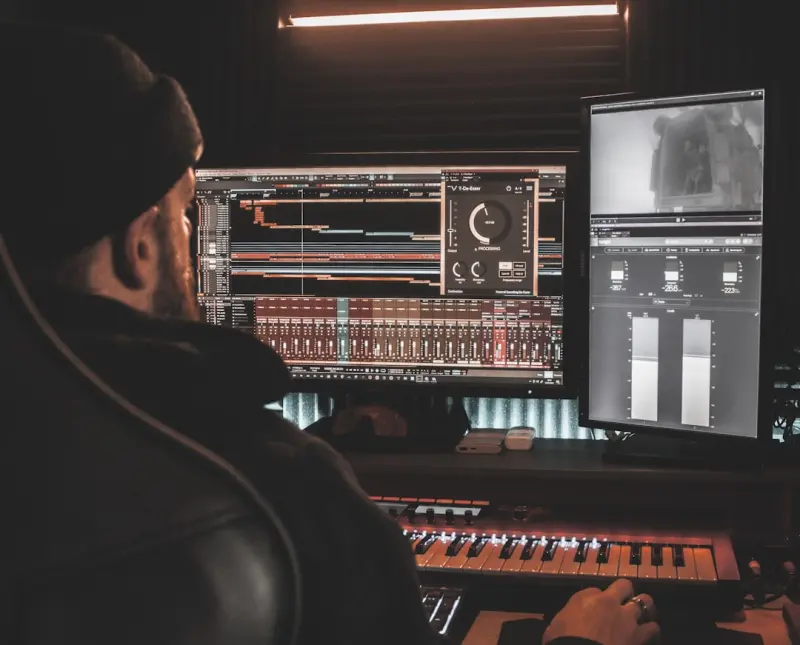
Why Sound Is the Secret Ingredient Most Couples Overlook
When I first started planning my own wedding, I was dazzled by flowers, lighting, and the perfect dress. The playlist was an after‑thought, something I handed off to a DJ with a vague “play the hits.” Fast‑forward to my first anniversary, and I realized the moments that still make me smile are the ones where a song seemed to read the room—softly swelling as my partner and I shared a quiet dance, or an upbeat chorus that sparked a spontaneous conga line. That revelation sparked a personal mission: to treat sound not as background filler, but as the narrative spine of a wedding celebration.
From Background Noise to Narrative Architecture
Think of a wedding as a story with a beginning, middle, and climax. In cinema, sound design is the invisible force that guides emotions; the same principle applies to any live event. By deliberately choosing when to introduce a single acoustic element—a harp glissando, a low‑frequency pulse, or a field recording of waves—you can cue guests to feel anticipation, nostalgia, or exhilaration without a single word spoken.
Here’s a quick framework to help you map sound to each chapter of your day:
- Prelude (Guest Arrival): Soft ambient textures that echo the venue’s architecture, perhaps the gentle hum of a vintage vinyl crackle if you’re in a historic loft.
- First Look & Ceremony: A curated “soundtrack” that mirrors your love story—think acoustic guitar for an intimate moment, then a swell of strings as vows are exchanged.
- Reception Entrance: A bold, rhythmic beat that announces the newlyweds with the same energy a sports team gets walking onto the field.
- Dinner & Toasts: Low‑key jazz or piano that encourages conversation while still providing an emotional undercurrent.
- Dance Party: A seamless transition from curated playlists to live remixing, letting the crowd’s energy dictate the next track.
- Grand Finale: A final, resonant chord that lingers as guests depart, leaving an indelible auditory imprint.
Crafting a Personalized Playlist Without the DJ “C‑Suite”
Most couples rely on a DJ’s pre‑made setlist, which can feel generic. Instead, consider building a personalized playlist that reflects milestones in your relationship. I started with a spreadsheet of songs tied to specific memories—our first road‑trip, the night we got engaged, the soundtrack of our favorite movie. Then I grouped them by mood and tempo, creating mini‑sets that could be woven throughout the day.
When you think about pacing, remember that contrast is as important as continuity. A 90‑second lull between two high‑energy songs can create a breathing space for guests to reconnect. Conversely, a gradual build can transform a simple cocktail hour into a crescendo that naturally leads into the first dance.
Leveraging Smartphone Sensors for Interactive Soundscapes
Modern smartphones are tiny sensor hubs—accelerometers, gyroscopes, microphones, and even ambient light sensors. By tapping into these tools, you can turn your guests into co‑creators of the wedding’s auditory experience. For a hands‑on example, check out the smartphone sensor playbook, which shows how everyday devices can be repurposed for immersive interactions.
Here are three low‑tech yet high‑impact ideas:
- “Pulse of the Crowd” Mixer: Place a Bluetooth‑enabled sound console near the dance floor. As guests move, their phone’s accelerometer feeds data into a live‑mixing app, subtly altering bass levels to match collective energy. The result is a dance floor that literally responds to its own vibe.
- Location‑Based Audio Easter Eggs: Use GPS triggers to play hidden tracks at specific spots—perhaps a secret garden where the couple first kissed. Guests who wander discover a short, intimate recording of the couple reading a favorite poem.
- Silent Disco with a Twist: Provide lightweight headphones that sync with a central playlist. When a guest raises a hand, the system detects motion and temporarily boosts that individual’s volume, letting them “lead” the next song.
Integrating an Audio‑First Mindset: Lessons from the Tech World
Audio isn’t just a wedding concern; it’s a cornerstone of modern digital experiences. The audio‑first playbook teaches businesses to prioritize sound to forge deeper connections with audiences. Those same principles apply to your celebration.
Key takeaways you can adapt:
- Consistency Across Channels: Just as brands maintain a consistent tone across podcasts, apps, and ads, ensure your wedding’s sonic palette remains cohesive—from the subtle harp in the ceremony to the high‑octane beats at the reception.
- Storytelling Through Sound: Use leitmotifs—short musical phrases that recur—much like a TV series theme. A simple piano riff introduced during your first look can later reappear during the final dance, creating an emotional bookend.
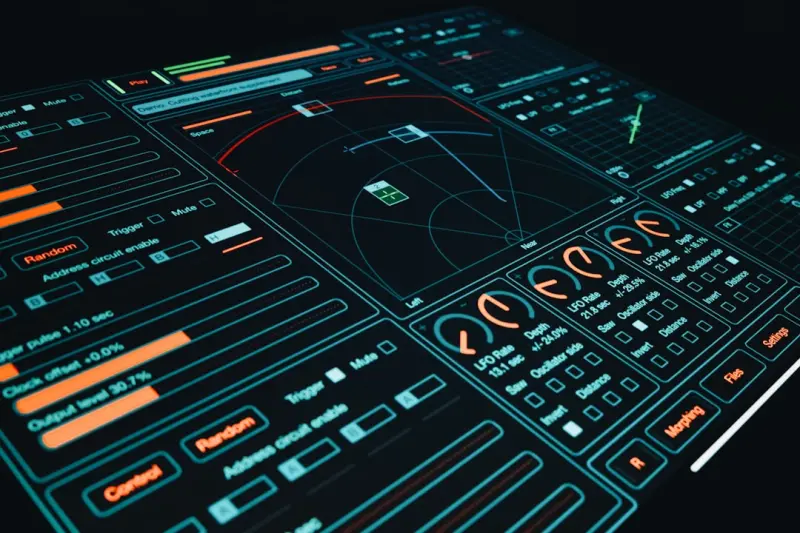
- Data‑Driven Adjustments: If you’re tech‑savvy, consider using a real‑time analytics dashboard that monitors decibel levels and guest movement, allowing you to tweak the playlist on the fly for maximum impact.
Designing the Space for Optimal Acoustics
Even the most curated playlist can fall flat in a venue with poor acoustics. Here’s how to audit and improve the sound environment without breaking the budget:
- Map the Sound Flow: Walk the venue with a portable speaker, noting dead zones and echo‑prone corners. Use portable acoustic panels—often made of recycled denim or foam—to tame reflections.
- Strategic Speaker Placement: Position speakers at ear level for dining areas and higher for dance floors. Avoid placing them directly against walls, which can cause “boom” frequencies that overwhelm conversation.
- Microphone Magic: For vows and speeches, use a lapel mic for the officiant and a handheld mic for toasts. This ensures clarity without forcing guests to lean in.
Guest‑Centric Audio Experiences
While the bride and groom are the stars, a truly unforgettable celebration makes guests feel like participants, not spectators. Consider these guest‑focused audio touches:
- Welcome Sound Booth: Set up a small station where guests can record a short message or sing a line from a favorite song. Compile these into a “guest chorus” that plays during the reception.
- Ambient Sound Stations: Offer “soundscapes” that reflect different parts of your story—maybe the bustling market where you met, or a serene forest where you proposed. Guests can press a button to listen while waiting for the next event.
- Silent Interludes: Schedule a brief “audio‑free” moment, such as a candlelit toast, where the absence of music heightens the emotional impact of spoken words.
Balancing Tradition and Innovation
It’s tempting to go full‑tech and risk alienating older relatives who might find interactive soundscapes confusing. The key is to blend the familiar with the novel. Keep classic elements—like a live string quartet for the ceremony—while sprinkling in modern touches, such as a subtle ambient drone that fades in as the evening transitions to night.
For families who cherish tradition, you can offer a simple “audio guide” printed on the program, explaining any interactive components in plain language. This small gesture demystifies the tech and invites everyone to participate.
Budget‑Friendly Hacks for High‑Impact Sound
Not every couple can afford a full‑scale sound design team. Here are cost‑effective strategies that still deliver a premium feel:
- DIY Soundboard: Use a laptop with a DJ software (many have free versions) and a portable PA system. Curate playlists ahead of time and assign a friend to act as the “sound director.”
- Rent Rather Than Own: Many audio rental companies offer bundle packages that include speakers, mixers, and microphones at a fraction of the purchase price.
- Leverage Streaming Services: Create collaborative playlists on platforms like Spotify, allowing close family members to contribute favorite songs, ensuring a diverse musical mix.
After‑Party: Extending the Audio Narrative Beyond the Venue
When the last dance ends, the story doesn’t have to stop. Consider sending guests a post‑wedding “sound capsule”—a short mixtape of the day’s highlights, perhaps paired with a photo slideshow. This not only prolongs the emotional resonance but also serves as a digital keepsake that can be revisited for years to come.
Another creative idea is to host a virtual “listening party” a month after the wedding. Share a live‑stream of the recorded ceremony audio, allowing remote friends and family to experience the moment anew, accompanied by a short commentary from you and your partner.
Final Thoughts: Make Your Wedding a Symphony, Not Just a Playlist
Weddings are already rich with visual beauty; adding a thoughtful, intentional sound design elevates the entire experience from a series of pretty moments to a cohesive, emotional symphony. By treating audio as narrative, leveraging smartphone sensors for interactivity, and borrowing proven strategies from the tech world’s audio‑first mindset, you can craft a celebration that resonates—literally and figuratively—with every guest.
So, the next time you hear a song that makes you smile, remember: you have the power to design that feeling for an entire room. Let the music take the lead, and watch your wedding become the immersive, unforgettable story you’ve always imagined.

In the world of freelance writing, where creativity and adaptability are paramount, Michelle Fisher stands out as a dedicated and versatile professional. With a passion for crafting compelling narratives and a keen eye for detail, Michelle has established herself as a trusted voice.
Related Posts
Hybrid Weddings: Crafting Intimate Yet Inclusive Celebrations
Hybrid weddings let couples honor tradition while inviting distant loved ones via livestream, creati... Read More
When Grandparents Meet Millennials: Designing Weddings That Honor Every Generation
Discover a step‑by‑step guide to crafting weddings that celebrate every generation, from heritag... Read More

How Digital Tools Are Redefining Modern Weddings and Anniversaries
A deep dive into how cloud collaboration, immersive tech, and data-driven planning are revolutionizi... Read More
Top Posts
Re‑imagining Home Power: A Personal Journey into Community‑Scale Energy
Explore a fresh take on sustainable power: AI‑driven home management, community microgrids, and habit‑based savings that make energy personal and resilient....Read More

Powering Tomorrow: Why Green Hydrogen Is the Energy Game‑Changer
Green hydrogen, generated via renewable‑powered electrolysis, offers a versatile, zero‑carbon fuel that can store excess energy, power heavy transport, and ...Read More
Reclaiming Your Energy: A Fresh Playbook for Digital Wellness
Discover a human‑first approach to digital wellness that blends intentional screen pauses, movement‑integrated workflows, and mindful data consumption, empo...Read More

Google SEO in 2026: Harnessing AI, User Intent, and Sustainable Rankings
Google SEO in 2026 demands AI‑augmented content, intent‑driven architecture, and sustainable performance. Discover practical tactics to dominate the SERPs w...Read More
0 Comments
Post Comment
You will need to Login or Register to comment on this post!