
Why the Wedding Landscape Is Shifting Toward Hybrid Experiences
When I was a teenager, I thought a wedding was a single‑day, all‑in‑person affair—a glittering hall, a string quartet, and a line of relatives waiting to catch the bouquet. Fast forward a few decades, and the conversation has changed. Couples now ask: “Can my grandma in a different state join the ceremony? Can we offer a live‑stream that feels as intimate as a front‑row seat? How do we keep the romance while embracing the tech we already live with?” The answer is a resounding yes, and the solution is what the industry now calls a hybrid wedding.
Hybrid weddings are not a fleeting trend born out of pandemic necessity; they are an evolution of how we celebrate love in a world that’s constantly connected. They blend the tactile joy of an in‑person gathering with the limitless reach of digital platforms, ensuring that no guest feels left out, no memory is lost, and every moment can be revisited with the same spark it had on the day.
The Core Benefits of Going Hybrid
- Inclusivity on a Global Scale – Families spread across continents can witness vows in real time, eliminating the heartbreak of missed moments.
- Reduced Travel Footprint – While we’re not calling it a “green” wedding (that’s a whole other conversation), cutting down on flights and road trips does lower the overall carbon impact.
- Extended Celebration Timeline – A live stream can be archived, allowing friends to binge‑watch the ceremony like a favorite series, or replay the first dance for a future anniversary.
- Data‑Driven Guest Experiences – By integrating smart RSVP tools, couples can gather real‑time dietary preferences, song requests, and even sentiment feedback, tailoring the event on the fly.
Building the Technical Backbone: From Streams to Interactive Apps
Pulling off a flawless hybrid wedding is a bit like orchestrating a SaaS product launch—every component must sync, scale, and stay reliable under pressure. Here’s a quick rundown of the tech stack that can make the magic happen:
- High‑Performance Streaming – Choose a platform that offers adaptive bitrate streaming to handle fluctuating internet speeds. When you’re streaming to hundreds of guests, latency matters. Leveraging edge‑first hosting solutions ensures the feed is delivered from servers nearest to each viewer, reducing lag and buffering.
- Interactive Guest App – A dedicated mobile app can serve as a virtual guestbook, a real‑time poll for the first dance song, and a hub for exclusive behind‑the‑scenes content. By applying mobile app engagement strategies, couples can keep remote guests as invested as those on the dance floor.
- Smart Audio‑Visual Gear – Modern cameras paired with AI‑driven auto‑focus and facial recognition keep every smile in crisp detail, while wireless mics ensure clear vows even in large venues.
- Cloud‑Based Photo & Video Curation – After the ceremony, AI can sort thousands of photos, flagging the most emotional moments for immediate sharing. Think of it as a “highlight reel” that’s ready within minutes, not hours.
- Secure Data Handling – Wedding details are personal. Encrypting RSVP data, payment info for online gift registries, and any health‑related accommodations is non‑negotiable. A lightweight, GDPR‑compliant solution can be tucked into the same infrastructure that powers your streaming service.
Designing the Guest Journey: From Virtual Arrival to Celebration Exit
When you think of a hybrid wedding, picture a guest’s path as a seamless narrative, regardless of where they are physically located.
1. The Invitation Phase
Instead of a paper card, many couples now send a digital save‑the‑date that includes a QR code linking to a custom landing page. This page can host a short teaser video, a countdown timer, and a personalized RSVP form that captures not just attendance, but food allergies, preferred seating (for those in the venue), and even a favorite love song.
2. Pre‑Ceremony Warm‑Up
On the day of the wedding, remote guests receive a push notification prompting them to join a “virtual lounge.” Think of it as a digital cocktail hour where a live‑host shares a behind‑the‑scenes look at the venue, introduces the bridal party, and runs a quick ice‑breaker poll (“Which couple’s first dance are you most excited for?”). This sets the tone and reduces the feeling of watching a static broadcast.
3. The Ceremony
The live feed should be shot from multiple angles—wide shots for the ambiance, close‑ups for the vows, and a dedicated “guest‑view” camera that captures reactions in the front row. The feed can be synced with a chat overlay where remote guests type well‑wishes that appear on a side screen in the physical venue, creating a shared emotional space.
4. Reception & Interactive Elements
During the cocktail hour and dinner, the app can push live trivia about the couple, enable virtual toasts (with a moderator reading them aloud), and even let remote guests vote on the first dance song in real time. A “digital photo booth” using AR filters can let everyone, near and far, snap themed selfies that are automatically compiled into a collaborative album.
5. Post‑Event Keepsakes
Within 24 hours, the couple receives a curated highlight reel, a printable digital album, and a private streaming link for any guests who missed the live broadcast. The app can also send a thank‑you note with a personalized QR code linking to a donation page for a charity the couple supports—a nice touch that turns the celebration into a lasting impact.
Budgeting for a Hybrid Celebration Without Breaking the Bank
One of the biggest misconceptions is that a hybrid wedding requires a tech‑heavy budget. In reality, strategic choices can keep costs manageable:
- DIY Streaming Platforms – Services like Vimeo Livestream or YouTube Live offer free tiers that are sufficient for modest audiences. For larger gatherings, a modest upgrade to a paid tier ensures higher bitrate and branding control.
- Leverage Existing Devices – Instead of renting a massive camera rig, use a high‑end smartphone with a gimbal for stable shots. Pair it with an external microphone for crisp audio.
- Open‑Source Guest Apps – Some developers release free, customizable wedding apps on GitHub. With a bit of technical savvy, you can brand them to your liking.
- Negotiated Vendor Packages – Many venues now offer “hybrid packages” that include Wi‑Fi upgrades, on‑site tech support, and streaming equipment as part of the rental.
By focusing on the moments that truly matter—clear vows, heartfelt toasts, and shared laughter—you can allocate resources where they have the biggest emotional ROI.
Real‑World Success Stories: Couples Who Got It Right
Here are three quick snapshots of couples who embraced hybrid magic and saw the payoff:
- Amelia & Luis – A bilingual couple with families in three continents used a live‑translated caption overlay during the ceremony. Guests praised the seamless integration, and the couple reported a 98% satisfaction rate in post‑event surveys.
- Jenna & Marcus – They turned their reception into an interactive game night using the wedding app. Remote guests controlled a giant digital “wheel of fate” that dictated the next dance style—salsa, swing, or a surprise flash mob.
- Priya & Aiden – Their eco‑conscious ceremony featured a digital guestbook that automatically planted a tree for every virtual RSVP. By the end of the night, they had offset the travel emissions of the 150 remote guests.
Potential Pitfalls and How to Dodge Them
Even the best‑planned hybrid weddings can encounter hiccups. Here’s a cheat‑sheet of common challenges and quick fixes:
- Internet Reliability – Always have a backup hotspot and test the venue’s Wi‑Fi bandwidth 48 hours before the event.
- Audio Echo – Use directional mics and mute any in‑venue speakers that could feed back into the stream.
- Time Zone Confusion – Clearly state the ceremony time in multiple time zones on the invitation and reminder emails.
- Guest Tech Fatigue – Keep virtual interactions short and purposeful; avoid overloading guests with too many polls or notifications.
- Data Privacy – Ensure the streaming platform complies with privacy regulations and that any recorded footage is stored securely, with access limited to invited guests.
The Future of Weddings: Beyond Hybrid, Toward Fully Immersive Experiences
Hybrid weddings are just the first step in a broader evolution. Imagine a ceremony where distant relatives don VR headsets and “walk” through a virtual recreation of the venue, feeling the same ambient lighting, hearing the same music, and even “shaking hands” with the bride and groom via haptic gloves. While that level of immersion is still emerging, the groundwork we’re laying today—robust streaming, interactive apps, and data‑driven personalization—will make those experiences possible sooner rather than later.
In the meantime, the hybrid model offers a pragmatic, emotionally resonant solution that honors tradition while embracing the possibilities of modern connectivity. It’s a celebration model that says, “Our love is big enough to span oceans, and our technology is clever enough to bring everyone along for the ride.”

Ryan Stuart is a seasoned freelance features writer, editor, and professional photographer with a passion for exploring the world and capturing its beauty through words and images.
Related Posts

From Pixels to Petals: How Digital Tools Are Redefining Modern Weddings
Discover the latest digital innovations—AI planning platforms, ultra‑quiet appliances, and micro... Read More
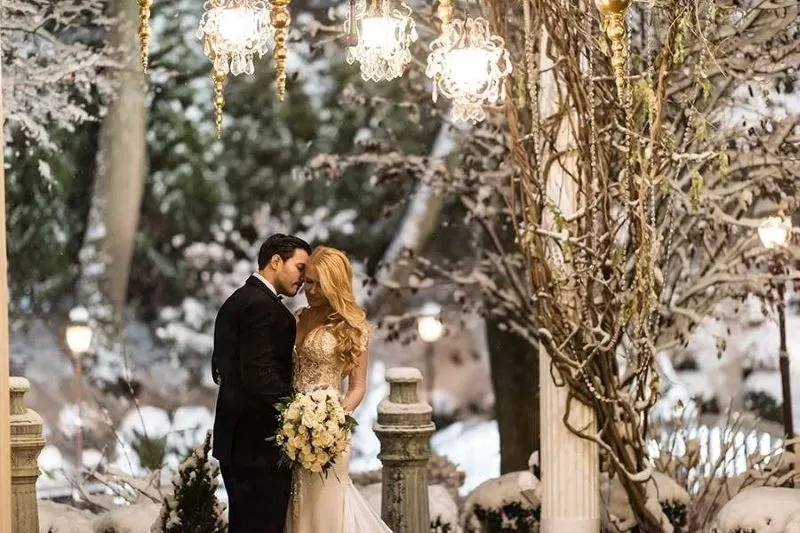
Planning Your Dream Fall or Winter Wedding: A Comprehensive Guide to Seasonal Elegance
The captivating beauty of the cooler months offers a distinctive and profoundly romantic backdrop fo... Read More

The Hidden Ingredient That Turns a Wedding Into an Unforgettable Celebration
Explore how a single, thoughtfully crafted sensory surprise can transform a wedding into a memorable... Read More
Top Posts
Edge‑First Hosting: Why Proximity Beats Power in Modern SaaS
Edge‑first hosting moves compute closer to users, slashing latency, improving compliance, and reducing costs. This article guides B2B SaaS teams through the a...Read More
Enhancing WordPress Performance for SaaS Success
In the fast-paced world of Software as a Service (SaaS), performance is the cornerstone of user satisfaction, retention, and revenue growth. For businesses leve...Read More

Developer Experience: The SaaS Game Changer
A deep dive into why investing in developer experience—clear docs, self‑service onboarding, and robust tooling—can become a SaaS company’s most powerful...Read More

The Transparent Beauty Revolution: Tech‑Driven Skincare That Actually Works
Modern consumers demand transparency, data‑backed efficacy, and sustainability. This post reveals how AI, microbiome research, smart packaging, and communityâ...Read More
0 Comments
Post Comment
You will need to Login or Register to comment on this post!