
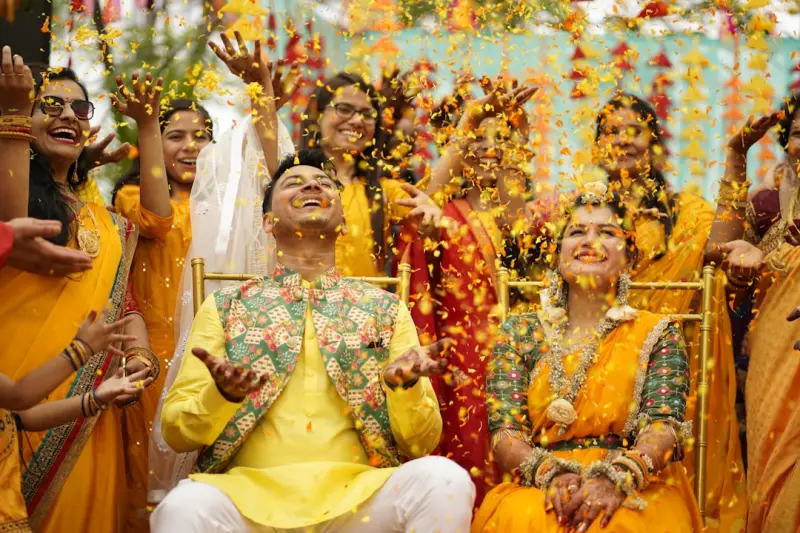
When Grandparents Meet Millennials: Designing Weddings That Honor Every Generation
There’s something magical about the way a wedding can become a living archive of family history. As I sit with my own parents and my sister‑in‑law—two generations apart, speaking different dialects of love—I realize that the most memorable celebrations aren’t the ones that try to please a single demographic, but those that weave together the textures of every age present. In this post I’ll walk you through a step‑by‑step approach to building a multi‑generational wedding experience that feels authentic, inclusive, and unforgettable.
1. Start With the Story, Not the Seating Chart
Before you even think about table layouts, ask yourself: what story do you want this day to tell? A wedding is a narrative, and every generation brings its own chapter. Grandparents may recall the scent of fresh pine from a backyard ceremony in the ’70s, while millennials might be drawn to a curated playlist that blends indie folk with classic soul. By anchoring the design in a shared story, you give each guest a role in the narrative rather than a seat in a static arrangement.
One practical way to surface that story is a simple pre‑wedding interview: ask each older relative to share a favorite memory from the couple’s first date, then invite younger relatives to describe the moment they first felt “the spark.” Compile these anecdotes into a short timeline booklet that guests can flip through during cocktail hour. The result is a living document that bridges decades without feeling forced.
2. Blend Rituals Thoughtfully, Not Haphazardly
Rituals are the heartbeats of any wedding, but when you have three or four generational layers, it’s easy to overload the program. The key is to curate, not duplicate. For instance, you might keep the traditional hand‑fastening ceremony that grandparents cherish, while also incorporating a modern “first‑look” photo session that younger guests love. Position the older ritual early in the ceremony, then segue into the contemporary element—this sequencing respects chronology and keeps the energy flowing.
Another tip: turn each ritual into a participatory moment. Invite grandparents to light a unity candle, then ask the couple’s college friends to write a short note on a scroll that gets folded into the candle’s wax. This layering of actions creates a tactile sense of continuity.
3. Leverage Technology Without Losing the Human Touch
Technology can be a bridge, not a barrier. While the older crowd may be hesitant about livestreams, the younger cohort expects instant access. A hybrid solution—using a discreet projector to stream the ceremony to a side room while also offering a QR‑code link for remote guests—satisfies both needs.
When you think about tech, don’t forget the subtle power of digital wedding tools that help you curate playlists, manage RSVPs, and even design custom seating algorithms that consider family dynamics. Choose platforms that are intuitive for all ages; a simple, clean interface reduces the learning curve for grandparents who may be joining the digital world for the first time.
4. Make the Venue a Canvas for Generational Dialogue
Venue selection often feels like a binary choice: historic mansion vs. industrial loft. Yet you can blend the two by selecting a space that offers both classic architecture and flexible, modular zones. Think of a renovated barn with exposed beams (a nostalgic nod) paired with movable glass dividers that create cozy lounge pods for younger guests to snap Instagram stories.
Incorporate visual cues that spark conversation. For example, hang vintage family photos alongside modern abstract art. Provide a “memory wall” where guests can attach Polaroid snapshots or handwritten notes. Such interactive elements become conversation starters, encouraging grandchildren to ask grandparents about the stories behind old photos.
5. Curate a Menu That Speaks Every Language of Taste
Food is perhaps the most universal connector, but taste preferences evolve. A multi‑generational menu should therefore balance nostalgia with novelty. Offer a classic dish—perhaps a slow‑cooked stew that grandparents grew up with—alongside a contemporary plant‑based tasting bite. Present these options side by side, letting guests choose based on preference rather than assigning dishes to specific age groups.
Consider a “heritage bar” where older relatives can sample traditional condiments (think pickles, mustard, or chutney) while a “fusion station” offers creative twists, like kimchi‑infused sliders. By presenting both, you honor culinary legacies and invite adventurous palates to explore.
6. Use Scent and Sound to Anchor Memories
Our senses are powerful memory triggers, and they work across generations. While a live string quartet may evoke elegance for older guests, a curated playlist of lo‑fi beats can keep the vibe relaxed for younger attendees. Layer these soundscapes by playing the quartet during the ceremony and transitioning to the playlist during the reception.
Similarly, scent can act as a subtle narrative thread. Work with a fragrance specialist to design a custom aroma that blends notes of fresh pine (a nod to classic outdoor weddings) with a hint of citrus (modern freshness). The resulting scent storytelling creates a shared sensory memory that guests of all ages will associate with the day.
7. Prioritize Connection Over Coordination
All the planning in the world can’t replace genuine connection. Encourage moments where guests can truly engage with one another. A “story circle” during the cocktail hour—where each table shares a favorite anecdote about the couple—turns strangers into collaborators. For larger families, a “family tree activity” where younger members draw connections on a large printed genealogy chart can spark laughter and discovery.
If you’re looking for inspiration on how to foster deeper interaction, take a look at building deeper connections in today’s fast‑paced social landscape. The principles translate beautifully to a wedding setting, where intentional conversation beats random mingling.
8. Capture the Day with a Multi‑Layered Media Strategy
Photography and videography remain staples, but think beyond the standard album. Commission a documentary‑style short film that weaves together interviews from grandparents, parents, and the couple. Pair this with a series of short, TikTok‑ready clips that highlight fun moments for the younger crowd. By delivering multiple formats, you ensure each generation receives a keepsake that resonates with its preferred media consumption habits.
9. Plan for Post‑Wedding Continuity
The celebration shouldn’t end when the last dance fades. Consider sending a “memory capsule” to each guest—a small box containing a printed photo, a scented card, and a QR code linking to a private online gallery. This tangible token reinforces the day’s emotional imprint and provides a bridge for future conversations about the event.
Another lasting touch is a shared digital scrapbook that allows family members to upload their own photos and stories after the wedding. Over time, the scrapbook becomes a living archive of how the day continues to inspire new memories across generations.
10. Reflect, Iterate, and Celebrate the Process
Designing a multi‑generational wedding is a learning experience for the couple as much as for the guests. Take moments during the planning phase to reflect on what you’re learning about your own family dynamics. Celebrate the small victories—perhaps the grandparents loved the QR‑code RSVP system, or the cousins enjoyed the heritage bar. These micro‑wins are proof that thoughtful integration works.
In the end, the most rewarding outcome isn’t a flawless program; it’s a day where every guest feels seen, heard, and honored. When you succeed at that, you’ve not only created a beautiful wedding—you’ve laid the foundation for a family story that will be retold for years to come.

Sanji Patel is a Staff Writer at Blogging Fusion and a globally recognized SEO consultant with 25 years of industry experience. He specializes in delivering comprehensive technical and editorial SEO services to news publishers worldwide. Sanji frequently shares his insights as a speaker at international conferences and delivers annual guest lectures at local universities.
Professional Profile
- Current Role: Staff Writer at Blogging Fusion.
- Core Expertise: Technical and editorial SEO strategy.
- Target Audience: Global news publishers and digital media outlets.
- Industry Experience: 25 years of dedicated SEO consultancy.
- Public Engagement: International conference speaker and university guest lecturer.
Related Posts

From Pixels to Petals: How Digital Tools Are Redefining Modern Weddings
Discover the latest digital innovations—AI planning platforms, ultra‑quiet appliances, and micro... Read More

Designing a Green, High-Tech Wedding That Guests Remember
A fresh take on wedding planning that merges eco‑friendly choices with cutting‑edge technology, ... Read More

Hybrid Weddings: Crafting Connected Celebrations for the Modern Couple
Hybrid weddings combine the intimacy of an in‑person ceremony with the reach of live streaming, of... Read More
Top Posts

AI‑Powered Personal Shopping Assistants: The Next Evolution in Retail
AI‑driven personal shopping assistants are reshaping e‑commerce by delivering hyper‑personalized, privacy‑first recommendations through conversational i...Read More

The Future of Digital Content Strategy: Navigating Complexity
Discover how to future-proof your digital strategy by balancing AI integration, evolving search engine trends, and human-centric content. Learn actionable techn...Read More
Celebrating Life's Milestones in the Digital Age
The digital age has revolutionized the way we celebrate life's milestones, from weddings and graduations to birthdays and anniversaries. But what does this mean...Read More
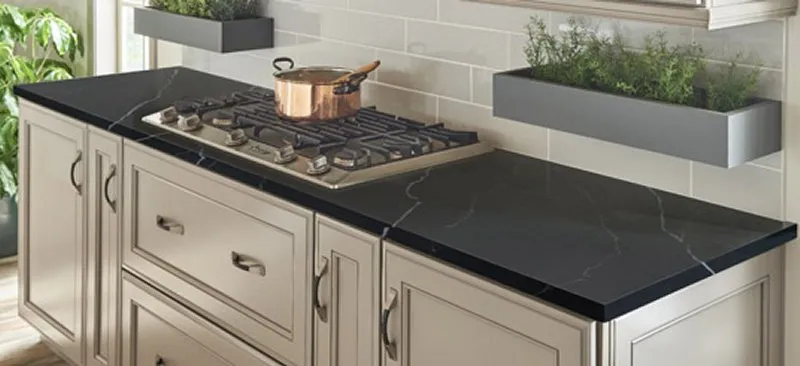
5 Great Kitchen and Washroom Countertop Options
In the intricate tapestry of home design, few elements bear as much functional weight and aesthetic influence as countertops. Whether gracing the culinary comma...Read More
0 Comments
Post Comment
You will need to Login or Register to comment on this post!